As a supplier of Bent Cladding Pipes, I've often been asked whether these specialized pipes require special handling during transportation. In this blog, I'll delve into this question, exploring the unique characteristics of Bent Cladding Pipes and the implications they have for transportation.
Understanding Bent Cladding Pipes
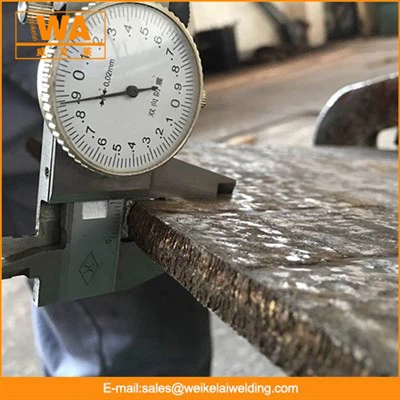
Bent Cladding Pipes are a type of industrial pipe that combines the structural integrity of a base pipe with a layer of cladding material. The cladding is typically a hard, wear - resistant material that is applied to the inner or outer surface of the pipe to enhance its performance in harsh environments. This combination makes Bent Cladding Pipes ideal for applications in industries such as mining, power generation, and oil and gas, where pipes are exposed to high - levels of abrasion, corrosion, and erosion.
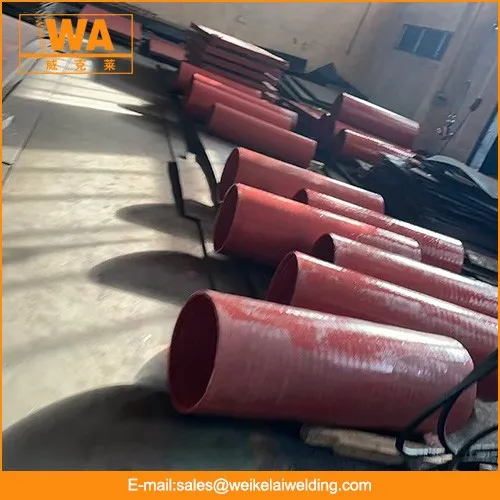
The bending process of these pipes is a critical step in their manufacturing. It allows the pipes to be customized to fit specific installation requirements, such as navigating around obstacles or following the contours of a particular system. However, this bending process also introduces some unique challenges that need to be considered during transportation.
Unique Characteristics Affecting Transportation
Structural Integrity
The bending process can create stress concentrations in the pipe, especially at the bend points. These stress concentrations can make the pipe more vulnerable to damage during transportation, such as cracking or deformation. Additionally, the cladding layer may also be at risk of delamination if the pipe is subjected to excessive shock or vibration.
Weight and Size
Bent Cladding Pipes are often heavier and larger than standard straight pipes due to the additional cladding material and the complex shape. This increased weight and size can make them more difficult to handle and transport. Specialized equipment may be required to load, unload, and secure the pipes during transit to prevent them from shifting or falling, which could cause damage to the pipes and pose a safety hazard.
Surface Protection
The cladding layer on Bent Cladding Pipes is designed to provide protection against wear and corrosion. However, this layer can be easily damaged if the pipes are not properly protected during transportation. Scratches or abrasions on the cladding surface can compromise its performance and reduce the lifespan of the pipe.
Special Handling Requirements
Packaging
Proper packaging is essential to protect Bent Cladding Pipes during transportation. The pipes should be wrapped in protective materials, such as foam or rubber, to cushion them against shocks and vibrations. Additionally, the packaging should be designed to prevent the pipes from coming into contact with each other or with other objects that could cause damage.
Loading and Unloading
When loading and unloading Bent Cladding Pipes, it is important to use appropriate equipment and techniques. Crane operators should be trained to handle the pipes carefully, taking into account their weight, size, and shape. The pipes should be lifted and lowered slowly and steadily to avoid sudden movements that could cause damage.
Securing the Pipes
During transportation, the pipes must be securely fastened to prevent them from shifting or moving. This can be achieved using straps, chains, or other securing devices. The securing points should be carefully selected to avoid putting excessive stress on the bend points or the cladding layer.

Transportation Mode
The choice of transportation mode can also have a significant impact on the handling of Bent Cladding Pipes. For short - distance transportation, trucks may be the most convenient option. However, for longer distances or international shipments, sea or rail transport may be more suitable. Each mode of transportation has its own set of challenges and requirements, and it is important to choose the one that best suits the specific needs of the pipes.
Comparison with Other Types of Pipes
Wear Resistant Straight Pipe
Wear Resistant Straight Pipe is another type of pipe commonly used in industrial applications. Unlike Bent Cladding Pipes, straight pipes do not have the same stress concentrations at bend points. This makes them generally easier to handle during transportation. However, they still require proper packaging and securing to protect the cladding layer.
Cco Abrasion Pipe
Cco Abrasion Pipe is designed to provide high - level abrasion resistance. Similar to Bent Cladding Pipes, it has a specialized cladding layer that needs to be protected during transportation. However, the straight shape of Cco Abrasion Pipe simplifies the handling process compared to the more complex Bent Cladding Pipes.
Importance of Special Handling
Proper handling of Bent Cladding Pipes during transportation is crucial for several reasons. Firstly, it ensures that the pipes arrive at their destination in good condition, ready for installation. Damaged pipes can lead to delays in the project schedule and increased costs for repairs or replacements. Secondly, special handling helps to maintain the performance and lifespan of the pipes. By protecting the cladding layer and the structural integrity of the pipe, the pipes can continue to provide reliable service in their intended applications.
Conclusion
In conclusion, Bent Cladding Pipes do require special handling during transportation. Their unique characteristics, such as stress concentrations at bend points, increased weight and size, and the need for surface protection, make them more vulnerable to damage compared to standard straight pipes. By following proper packaging, loading, unloading, and securing procedures, and choosing the appropriate transportation mode, we can ensure that these pipes are transported safely and arrive at their destination in optimal condition.
If you are in need of Bent Cladding Pipes for your industrial project, I encourage you to reach out for a detailed discussion. We can provide you with high - quality products and offer professional advice on transportation and installation to ensure the success of your project. Contact us to start the procurement negotiation process and find the best solution for your needs.
References
- Industrial Pipe Handling Guidelines, Industry Standard Publication
- Pipe Manufacturing and Transportation Best Practices, Professional Journal on Industrial Engineering