Can Wear Steel Plate be Used in Glass-Manufacturing Equipment?
Hey there, fellow industry enthusiasts! I'm a supplier of wear steel plate, and today I want to dive into an interesting question: Can wear steel plate be used in glass - manufacturing equipment?
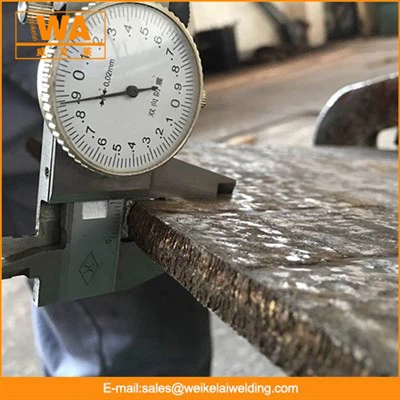
First off, let's understand what wear steel plate is. Wear steel plate is a type of specialty steel that's designed to resist abrasion, impact, and corrosion. It comes in different forms, like the Clad Wear Plate, which has a layer of wear - resistant material bonded to a base plate. There are also Wear Resistant Alloys that are engineered to offer high performance in harsh environments. And of course, the popular Hardox Steel Plate, which is known for its toughness and durability.
Now, let's look at glass - manufacturing equipment. Glass production involves a series of processes such as melting, forming, annealing, and cutting. Each of these processes has its own set of requirements for the equipment used.
In the melting stage, the equipment is exposed to extremely high temperatures. Furnaces are used to melt the raw materials like sand, soda ash, and limestone at temperatures that can reach up to 1700°C. Wear steel plates, in general, have a high melting point and good heat - resistance properties. However, we need to make sure the specific type of wear steel plate we're considering can withstand the long - term exposure to such high temperatures. Some wear steel plates are designed to maintain their strength and hardness even at elevated temperatures, and these could be a good fit for the components inside the furnace, like the refractory linings' support structures.


When it comes to the forming process, there are different techniques like molding, blowing, and rolling. For example, in the rolling process, large rollers are used to shape the molten glass into sheets. These rollers are subject to wear and tear due to the friction with the hot glass. Wear steel plates can be used to line the rollers or to make some of the key components. The high hardness and wear - resistance of wear steel plates can significantly extend the lifespan of these parts, reducing the need for frequent replacements.
Annealing is another crucial step in glass manufacturing. It involves slowly cooling the glass to relieve internal stresses. The equipment used in this process needs to be able to withstand a wide range of temperatures as the glass cools. Wear steel plates can be used for the frames and supports of annealing lehrs. They can provide the necessary structural integrity and also resist the corrosion that might occur due to the moisture and chemicals present in the annealing environment.
The cutting process also requires reliable equipment. Cutting machines use blades or other tools to cut the glass into the desired sizes. Wear steel plates can be used to make the holders and guides for these cutting tools. Their resistance to abrasion ensures that the cutting process remains accurate and efficient over time.
But there are also some challenges when using wear steel plates in glass - manufacturing equipment. One of the main concerns is the potential for contamination. Glass is a very pure material, and any foreign particles from the wear steel plate can affect the quality of the glass. So, we need to choose wear steel plates with a smooth surface finish and low levels of impurities. Also, the compatibility between the wear steel plate and the glass needs to be considered. For example, if there's a reaction between the steel and the glass at high temperatures, it could lead to defects in the glass.
Another aspect is the cost. Wear steel plates are generally more expensive than regular steel. However, when you consider the long - term benefits such as reduced maintenance costs and increased equipment lifespan, the investment can be well worth it. In fact, many glass manufacturers are starting to realize the value of using wear steel plates in their equipment.
So, to answer the question, yes, wear steel plates can definitely be used in glass - manufacturing equipment. But it's important to choose the right type of wear steel plate based on the specific requirements of each process in the glass - making operation.
If you're in the glass - manufacturing industry and are looking for high - quality wear steel plates for your equipment, I'd love to have a chat with you. Whether it's about the Clad Wear Plate, Wear Resistant Alloys, or Hardox Steel Plate, we can discuss which option is best for your needs. Don't hesitate to reach out and start the conversation about how we can improve your equipment's performance and longevity.
References
- "Handbook of Glass Manufacturing" - A comprehensive guide on the various processes and equipment in glass manufacturing
- "Wear and Corrosion Resistance of Steels" - A technical resource on the properties of wear - resistant steels