

Can wear resistant alloys be used in electrical applications? Well, that's a question I've been asked quite a bit lately, and as a supplier of Wear Resistant Alloys, I'm more than happy to dig into it.
First off, let's talk about what wear resistant alloys are. These are materials designed to withstand wear and tear, whether it's from abrasion, erosion, or impact. They're commonly used in industries like mining, construction, and manufacturing, where equipment is constantly subjected to harsh conditions. You can check out Abrasion Resistant Steel and Clad Wear Plate for more info on specific types of wear resistant materials.
Now, when it comes to electrical applications, the first thing that might come to mind is conductivity. After all, most electrical components need to conduct electricity efficiently. But here's the thing: wear resistant alloys aren't typically known for their high conductivity. They're engineered to be tough and durable, not to carry electrical current.
However, that doesn't mean they have no place in electrical systems. In some cases, the need for wear resistance might outweigh the need for high conductivity. For example, in electrical contacts that are subject to a lot of mechanical stress or friction. Over time, normal contact materials can wear down, leading to poor electrical connections and increased resistance. A wear resistant alloy could potentially extend the lifespan of these contacts, reducing maintenance and replacement costs.
Another area where wear resistant alloys could be useful is in the housing or enclosures of electrical equipment. These parts need to protect the sensitive electrical components inside from damage, whether it's from physical impact or environmental factors. A wear resistant alloy could provide a strong and durable outer layer, ensuring the equipment stays safe and functional for longer. You can find more about suitable materials on Wear Steel Plate.
But there are also some challenges to using wear resistant alloys in electrical applications. One of the main issues is the cost. These alloys are often more expensive than traditional electrical materials, so there needs to be a clear benefit to justify the extra expense. Additionally, the manufacturing process for wear resistant alloys can be more complex, which can also add to the cost.
Another consideration is the electrical properties of the alloy. As I mentioned earlier, wear resistant alloys aren't usually great conductors. So, if high conductivity is required, some modifications might be needed. This could involve adding other elements to the alloy to improve its electrical performance, or using a composite material that combines the wear resistance of the alloy with the conductivity of another material.
In terms of research and development, there's still a lot of work to be done. Scientists and engineers are constantly looking for ways to improve the electrical properties of wear resistant alloys without sacrificing their wear resistance. Some promising areas of study include the use of nanotechnology to create alloys with unique electrical and mechanical properties.
So, to answer the question, yes, wear resistant alloys can be used in electrical applications, but it's not a straightforward decision. It depends on the specific requirements of the application, the trade-offs between wear resistance and electrical conductivity, and the cost-benefit analysis.

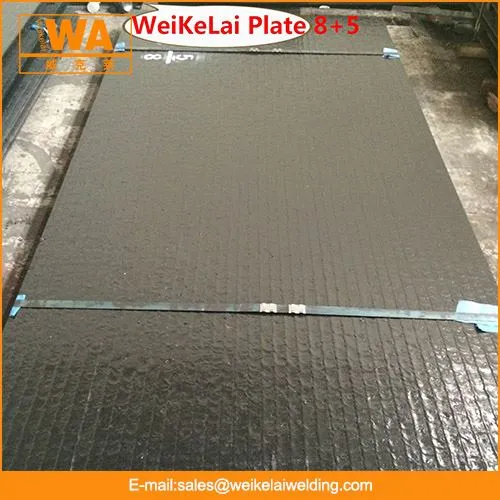
If you're in the market for wear resistant alloys for your electrical projects, I'd love to have a chat. We've got a wide range of products and can work with you to find the best solution for your needs. Whether you're looking for a material to improve the durability of your electrical contacts or a tough enclosure for your equipment, we're here to help. Just reach out, and let's start the conversation about how we can make your electrical systems more reliable and long-lasting.
References
- General knowledge on wear resistant alloys from industry experience
- Ongoing research in materials science related to electrical and mechanical properties of alloys



