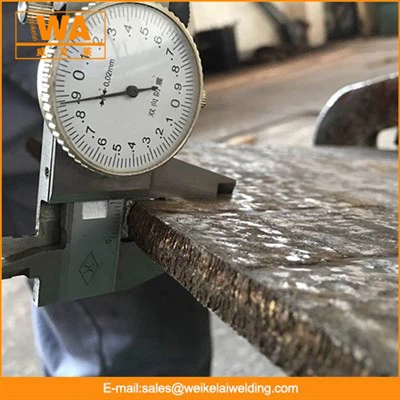
Can conveyor wear liners be retrofitted to existing conveyors? Well, that's a question I get asked a lot as a supplier of Conveyor Wear Liners. And the short answer is yes, they absolutely can! But there's a bit more to it than just slapping on some liners and calling it a day. In this blog, I'll break down the ins and outs of retrofitting conveyor wear liners, including the benefits, the process, and what to consider before you make the leap.
Let's start with why you might want to retrofit conveyor wear liners in the first place. Conveyor systems are workhorses in many industries, from mining and manufacturing to food processing and logistics. Over time, the constant movement of materials can take a toll on the conveyor components, leading to wear and tear. This not only reduces the efficiency of the conveyor but can also increase maintenance costs and downtime. That's where wear liners come in. They act as a protective barrier between the conveyor and the materials being transported, reducing friction and abrasion and extending the lifespan of the conveyor.
One of the biggest benefits of retrofitting conveyor wear liners is cost savings. Instead of replacing the entire conveyor system, which can be a major investment, you can simply add wear liners to the existing conveyor. This is a much more cost-effective solution, especially for older conveyors that are still in good working condition but are starting to show signs of wear. Plus, wear liners can help improve the efficiency of the conveyor, reducing energy consumption and increasing productivity. This can lead to even more cost savings in the long run.
Another benefit of retrofitting conveyor wear liners is improved safety. Worn conveyor components can pose a safety hazard to workers, as they can cause jams, spills, and other accidents. By adding wear liners, you can reduce the risk of these accidents and create a safer working environment. Additionally, wear liners can help prevent the buildup of dust and debris on the conveyor, which can also be a safety hazard.
So, how do you go about retrofitting conveyor wear liners? The first step is to assess the condition of your existing conveyor. This will help you determine the type and thickness of wear liners that are needed. You'll also need to consider the type of materials being transported, as different materials require different types of wear liners. For example, if you're transporting abrasive materials like coal or ore, you'll need a wear liner that is resistant to abrasion. On the other hand, if you're transporting food products, you'll need a wear liner that is food-grade and compliant with industry regulations.
Once you've determined the type and thickness of wear liners that are needed, the next step is to measure the conveyor. This will ensure that the wear liners fit properly and provide maximum protection. You'll need to measure the length, width, and height of the conveyor, as well as any curves or bends. It's also a good idea to take into account any existing features of the conveyor, such as rollers or idlers, as these can affect the installation of the wear liners.
After you've measured the conveyor, the next step is to choose the right wear liners. There are many different types of wear liners available on the market, each with its own unique properties and benefits. Some of the most common types of wear liners include rubber liners, polyurethane liners, ceramic liners, and steel liners. Each type of wear liner has its own advantages and disadvantages, so it's important to choose the one that is best suited for your specific application.
Once you've chosen the right wear liners, the next step is to install them. This can be a relatively simple process, but it's important to follow the manufacturer's instructions carefully to ensure that the wear liners are installed correctly. In most cases, the wear liners can be installed using adhesive or mechanical fasteners. Adhesive installation is typically faster and easier, but it may not be suitable for all applications. Mechanical fasteners, on the other hand, provide a more secure installation but may require more time and effort to install.
Before you start the installation process, it's important to prepare the conveyor surface. This may involve cleaning the surface to remove any dirt, grease, or debris, as well as sanding or grinding the surface to ensure a smooth and even finish. You'll also need to make sure that the conveyor is in good working condition and that all of the components are properly aligned.
During the installation process, it's important to take your time and make sure that the wear liners are installed correctly. This may involve cutting the wear liners to size, fitting them around any curves or bends in the conveyor, and securing them in place using the appropriate fasteners. It's also a good idea to have a second person on hand to help with the installation, especially if the conveyor is large or complex.
Once the wear liners are installed, it's important to test the conveyor to make sure that it is working properly. This may involve running the conveyor at a slow speed to check for any signs of wear or damage, as well as monitoring the performance of the conveyor over time. If you notice any problems or issues with the conveyor, it's important to address them immediately to prevent further damage.
In addition to the benefits and the installation process, there are a few other things to consider before you retrofit conveyor wear liners. One of the most important things to consider is the cost. While retrofitting conveyor wear liners can be a cost-effective solution in the long run, it's important to make sure that you have a budget in place and that you're getting the best value for your money. You'll also need to consider the maintenance requirements of the wear liners, as some types of wear liners may require more frequent maintenance than others.

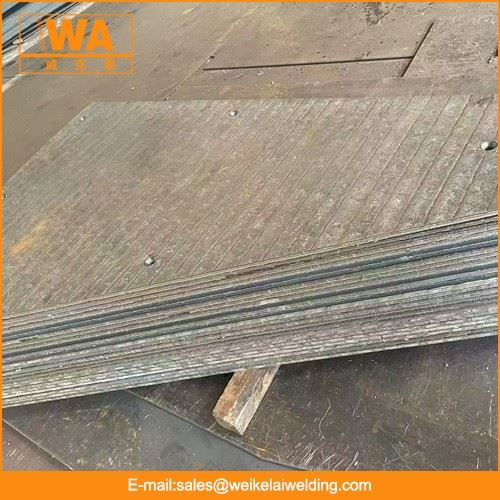
Another thing to consider is the compatibility of the wear liners with your existing conveyor. It's important to make sure that the wear liners are compatible with the type of conveyor you have, as well as the materials being transported. This may involve consulting with the manufacturer of the wear liners or a conveyor specialist to ensure that you're making the right choice.
Finally, it's important to consider the environmental impact of the wear liners. Some types of wear liners may be more environmentally friendly than others, so it's important to choose the one that is best suited for your specific application. For example, if you're looking for a wear liner that is resistant to abrasion, you may want to consider a ceramic or steel liner, as these materials are more durable and require less frequent replacement. On the other hand, if you're looking for a wear liner that is food-grade and compliant with industry regulations, you may want to consider a rubber or polyurethane liner.
In conclusion, retrofitting conveyor wear liners is a cost-effective and practical solution for extending the lifespan of your existing conveyor system. By adding wear liners, you can reduce friction and abrasion, improve the efficiency of the conveyor, and create a safer working environment. However, it's important to do your research and choose the right wear liners for your specific application. If you have any questions or need more information about retrofitting conveyor wear liners, please don't hesitate to contact us. We're here to help you find the best solution for your needs.
References
- "Conveyor Belt Wear Liners: A Guide to Selection and Installation." Conveyor Belt Solutions, 2023.
- "Wear Protection Linings for Conveyors." Industrial Wear Solutions, 2023.
- "Chute Wear Liners: Types and Applications." Chute Wear Solutions, 2023.