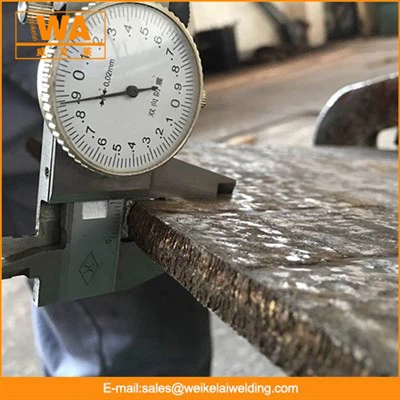
Hey there! As a wear plate supplier, one question I get asked a lot is, "Are wear plates available in different grades?" The short answer is yes, and in this blog, I'm gonna dive deep into why these different grades matter and what each one brings to the table.
Let's start by understanding what wear plates are. Wear plates are essentially protective barriers used in various industries to prevent wear and tear on equipment. They're like the bodyguards of the industrial world, standing between heavy machinery and the harsh conditions they operate in. Now, different industries have different needs, and that's where the different grades of wear plates come in.
The Basics of Wear Plate Grades
Wear plates come in a variety of grades, each designed to meet specific requirements. These grades are determined by several factors, including the material composition, hardness, and toughness of the plate. The material composition plays a huge role in determining the plate's properties. For example, plates made from Alloy Steel Plate offer a unique combination of strength and durability. Alloy steel plates are often alloyed with elements like chromium, nickel, and molybdenum, which enhance their resistance to wear, corrosion, and heat.
Hardness is another crucial factor. A harder wear plate can withstand more abrasion and impact, making it ideal for applications where there's a lot of friction and force. However, hardness isn't everything. If a plate is too hard, it can become brittle and prone to cracking. That's where toughness comes in. A tough wear plate can absorb energy without breaking, providing long - lasting protection.
Common Grades of Wear Plates
Mild Steel Wear Plates
Mild steel wear plates are one of the most common types. They're relatively inexpensive and easy to work with. These plates are made from low - carbon steel, which gives them good formability and weldability. Mild steel wear plates are suitable for applications where the wear and tear are not too severe, such as in some agricultural equipment or light - duty conveyor systems.
Wear Resistant Plate
Wear resistant plates are designed to withstand high levels of abrasion. They're typically made from high - carbon or alloy steels and have a higher hardness than mild steel plates. These plates are commonly used in industries like mining, construction, and cement production, where equipment is exposed to rough materials like rocks, gravel, and sand.
Clad Wear Plate
Clad wear plates are a bit more advanced. They consist of a base layer and a wear - resistant layer. The base layer provides the structural support, while the wear - resistant layer offers protection against abrasion and impact. Clad wear plates are often used in applications where there's a need for a combination of high strength and excellent wear resistance, such as in heavy - duty earth - moving equipment.
Choosing the Right Grade for Your Application
Selecting the right grade of wear plate is crucial for ensuring the longevity and efficiency of your equipment. Here are some factors to consider:
Type of Wear
First, you need to determine the type of wear your equipment will be exposed to. Is it abrasion, impact, or a combination of both? If it's mainly abrasion, a wear - resistant plate might be the best choice. If there's a lot of impact involved, you might need a tougher plate, like a clad wear plate.
Operating Conditions
The operating conditions also play a significant role. For example, if your equipment operates in a corrosive environment, you'll need a wear plate that has good corrosion resistance, such as an alloy steel plate. Temperature is another factor. Some applications require wear plates that can withstand high temperatures without losing their properties.
Budget
Of course, budget is always a consideration. Mild steel wear plates are generally more affordable, but they may not be suitable for heavy - duty applications. On the other hand, clad wear plates and high - grade alloy steel plates are more expensive but offer better performance and longer service life.
Benefits of Using the Right Grade of Wear Plate
Using the right grade of wear plate can bring several benefits. Firstly, it can significantly reduce downtime. When your equipment is protected by a high - quality wear plate, it's less likely to break down due to wear and tear. This means less time spent on maintenance and repairs, and more time for production.


Secondly, it can improve the efficiency of your equipment. A well - chosen wear plate can reduce friction and improve the smooth operation of machinery, leading to lower energy consumption and higher productivity.
Finally, it can save you money in the long run. Although high - grade wear plates may have a higher upfront cost, their longer service life means you won't have to replace them as often, resulting in cost savings over time.
Why Choose Our Wear Plates
As a wear plate supplier, we take pride in offering a wide range of high - quality wear plates in different grades. We understand that every customer has unique needs, and we're committed to helping you find the perfect solution for your application. Our team of experts can provide you with professional advice and guidance on choosing the right grade of wear plate, ensuring that you get the best value for your money.
Whether you're in the mining, construction, or any other industry that requires wear protection, we've got you covered. Our wear plates are manufactured using the latest technology and highest quality materials, guaranteeing excellent performance and durability.
If you're interested in learning more about our wear plates or have any questions about choosing the right grade, don't hesitate to get in touch. We're here to assist you with all your wear plate needs and are eager to start a conversation about how we can help improve your equipment's performance. Contact us today to discuss your requirements and let's find the perfect wear plate solution for you.
References
- ASM Handbook Committee. (2005). ASM Handbook, Volume 1: Properties and Selection: Irons, Steels, and High - Performance Alloys. ASM International.
- Degarmo, E. P., Black, J. T., & Kohser, R. A. (2003). Materials and Processes in Manufacturing. John Wiley & Sons.