Hey there! I'm a supplier of wear resistant alloys, and I've been in this industry for quite a while. Over the years, I've seen these alloys being used in a wide range of industries. In this blog, I'm gonna share with you which industries commonly use wear resistant alloys and why they're so important.
Mining Industry
The mining industry is one of the biggest users of wear resistant alloys. Mining operations involve a lot of heavy - duty work, like digging, crushing, and transporting large amounts of ore and rock. Equipment in mines, such as crushers, conveyor belts, and drill bits, are constantly exposed to abrasion, impact, and corrosion.
For example, crushers are used to break down large rocks into smaller pieces. The jaws and liners of crushers are made from wear resistant alloys because they need to withstand the high - pressure forces and the constant rubbing against hard rocks. If these parts weren't made of wear resistant materials, they would wear out quickly, leading to frequent replacements and downtime.
Conveyor belts also need to be made of wear resistant materials. The belts carry heavy loads of ore and rock over long distances, and the contact with the rough surfaces can cause significant wear. Using wear resistant alloys in conveyor belt components can extend their lifespan and reduce maintenance costs.

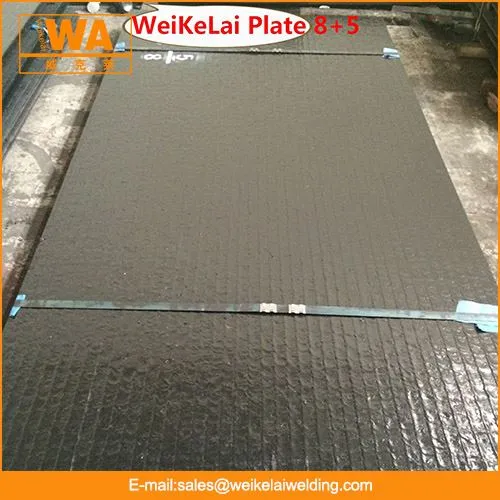
Drill bits are another crucial piece of equipment in mining. They have to penetrate hard rock formations, and the tips of the drill bits are often made of wear resistant alloys with high hardness and toughness. High Hardness Steel Plate is a great option for drill bit tips as it can withstand the extreme conditions in the ground.
Construction Industry
In the construction industry, wear resistant alloys are used in a variety of equipment. Bulldozers, excavators, and loaders are constantly in contact with soil, gravel, and concrete, which can cause a lot of wear and tear.
The blades of bulldozers are made of wear resistant alloys to ensure they can push large amounts of earth and debris without getting damaged easily. Excavator buckets also need to be made of wear resistant materials because they scoop up heavy loads of dirt, rocks, and construction waste. The edges of the buckets are often reinforced with wear resistant alloys to increase their durability.
Loaders are used to lift and transport construction materials. Their forks and buckets are subject to abrasion from the materials they handle. Using Abrasion Resistant Steel in these components can improve their performance and reduce the frequency of replacements.
Agriculture Industry
The agriculture industry also benefits from wear resistant alloys. Farm equipment such as plows, harrows, and combines are exposed to abrasive soil, rocks, and plant materials.
Plows are used to turn over the soil. The blades of plows are made of wear resistant alloys to cut through the tough soil without wearing down quickly. Harrows are used to break up clumps of soil and level the ground. Their tines need to be strong and wear - resistant to withstand the constant contact with the soil.
Combines are used for harvesting crops. The cutting blades and augers in combines are in contact with the plants and the harvested grains. Wear resistant alloys are used in these parts to ensure smooth operation and long - term use.
Manufacturing Industry
In manufacturing, wear resistant alloys are used in machinery and tools. For example, in metalworking, cutting tools such as drills, milling cutters, and lathe tools are made of wear resistant alloys. These tools need to cut through hard metals, and the wear resistant properties of the alloys ensure that they can maintain their sharpness and accuracy for a longer time.
Stamping dies are also made of wear resistant alloys. They are used to shape metal sheets into various products. The dies are subject to high pressure and friction during the stamping process, and using wear resistant alloys can prevent premature wear and improve the quality of the stamped products.
Conveyor systems in manufacturing plants are used to transport products and materials. The rollers and belts of these systems are often made of Abrasion Resistant Metals to ensure smooth operation and reduce the risk of breakdowns.
Transportation Industry
The transportation industry uses wear resistant alloys in many ways. In the automotive industry, engine components such as pistons, cylinders, and valves are made of wear resistant alloys. These components are subject to high temperatures, pressures, and friction during the operation of the engine. Using wear resistant alloys can improve the performance and reliability of the engine.
Train wheels and tracks also benefit from wear resistant alloys. The wheels are in constant contact with the tracks, and the friction and impact can cause wear. Using wear resistant materials in wheels and tracks can reduce the need for frequent replacements and improve the safety of the railway system.
In the shipping industry, ship propellers and hulls are exposed to the abrasive action of water, sand, and marine organisms. Wear resistant alloys are used to protect these components and extend their lifespan.
Why Wear Resistant Alloys are Essential
Wear resistant alloys offer several advantages. First of all, they can significantly extend the lifespan of equipment. By reducing wear and tear, these alloys can save industries a lot of money on replacement parts and maintenance.
Secondly, they improve the performance of equipment. For example, in mining and construction, wear resistant alloys allow equipment to operate more efficiently, as they can handle heavy loads and tough materials without getting damaged easily.
Finally, wear resistant alloys enhance safety. In industries like transportation and manufacturing, reliable and long - lasting equipment is crucial for the safety of workers and the public.
If you're in any of these industries and are looking for high - quality wear resistant alloys, don't hesitate to get in touch with me. I can provide you with the best solutions for your specific needs. Whether you need High Hardness Steel Plate, Abrasion Resistant Steel, or Abrasion Resistant Metals, I've got you covered. Let's have a chat and see how we can work together to improve your equipment's performance and reduce your costs.
References
- "Handbook of Wear - Resistant Materials" by George Totten
- "Materials Science and Engineering: An Introduction" by William D. Callister, Jr.
- Industry reports from mining, construction, agriculture, manufacturing, and transportation sectors.