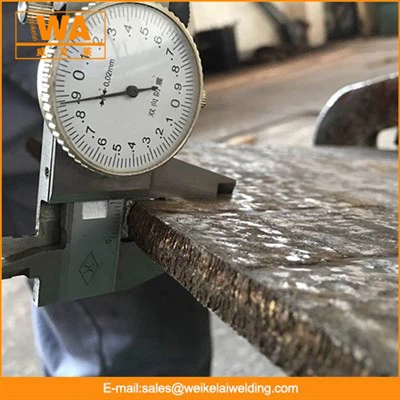
Hey there! As a supplier of Cco Abrasion Pipe, I've seen firsthand the challenges these pipes face, especially when used underground. In this blog, I'm gonna share some key protection measures that are essential for Cco Abrasion Pipe in underground applications.
1. Corrosion Protection
Underground environments are often full of moisture, various chemicals, and minerals that can cause corrosion to Cco Abrasion Pipe. Corrosion not only weakens the pipe structure but also reduces its abrasion resistance over time.
One of the most common methods is applying a high - quality anti - corrosion coating. There are different types of coatings available, like epoxy coatings. Epoxy coatings form a tough, protective layer on the surface of the pipe, preventing direct contact between the pipe and the corrosive underground substances. Another option is polyethylene coatings. They offer good flexibility and impact resistance, which is important considering the potential mechanical stresses the pipe might face underground.
We also offer pipes with Abrasion Resistant Elbows that are pre - treated with anti - corrosion coatings. These elbows are crucial parts of the pipeline system, and protecting them from corrosion is just as important as protecting the straight pipes.
2. Mechanical Protection
Underground, Cco Abrasion Pipe can be subjected to mechanical forces such as soil pressure, impacts from rocks or other hard objects during installation or from ground movements. To handle these forces, we need to provide proper mechanical protection.
One way is to use a protective sleeve. A sleeve made of materials like high - density polyethylene (HDPE) can be wrapped around the pipe. This sleeve acts as a buffer, absorbing the impact energy and reducing the stress on the pipe. It also helps to distribute the soil pressure evenly along the pipe surface.
For areas where the risk of impact is higher, like near construction sites or in rocky soil, we can use Hardfacing Abrasion Elbows. These elbows are designed with a hardfacing layer that significantly enhances their resistance to wear and impact. They can withstand the harsh conditions underground and ensure the long - term integrity of the pipeline system.
3. Thermal Protection
Temperature variations underground can have an impact on the performance of Cco Abrasion Pipe. Extreme cold can make the pipe more brittle, increasing the risk of cracking, while high temperatures can cause the pipe material to expand and potentially lead to deformation.
Insulation is a great way to provide thermal protection. We can use insulation materials such as foam or fiberglass around the pipe. These materials help to maintain a more stable temperature inside the pipe, reducing the effects of external temperature changes.
In some cases, especially in areas with very low temperatures, we might also consider using heating systems. These systems can be installed along the pipe to keep the temperature within a safe range, preventing the pipe from becoming too cold and brittle.

4. Abrasion Protection
As the name suggests, Cco Abrasion Pipe is designed to resist abrasion, but in underground applications, the abrasive environment can be extremely harsh. The flow of abrasive materials like sand, gravel, and slurries through the pipe can cause significant wear over time.
To enhance the abrasion resistance, we can use Bent Cladding Pipe. This type of pipe has a cladding layer on the inner surface, which is made of highly wear - resistant materials. The cladding layer can withstand the continuous abrasion from the flowing materials, extending the service life of the pipe.
Another approach is to optimize the flow conditions inside the pipe. By reducing the velocity of the abrasive materials and ensuring a more uniform flow, we can minimize the abrasion effect. This can be achieved through proper pipe sizing and the use of flow - control devices.
5. Monitoring and Maintenance
Even with all the protection measures in place, it's important to monitor the condition of the Cco Abrasion Pipe regularly. This can be done through various methods, such as visual inspections, non - destructive testing (NDT), and monitoring the flow parameters.
Visual inspections can help to detect any visible signs of damage, such as cracks, corrosion spots, or wear on the pipe surface. NDT techniques, like ultrasonic testing or magnetic particle testing, can be used to detect internal defects that are not visible to the naked eye.
Regular maintenance is also crucial. This includes cleaning the pipe to remove any accumulated debris, checking and replacing any damaged components, and reapplying protective coatings if necessary.
Why Choose Our Cco Abrasion Pipe?
We take pride in providing high - quality Cco Abrasion Pipe that meets the strictest industry standards. Our pipes are manufactured using the latest technology and high - grade materials, ensuring excellent performance and durability.
We offer a wide range of products, including Abrasion Resistant Elbows, Hardfacing Abrasion Elbows, and Bent Cladding Pipe, to meet different underground application requirements. Our team of experts can also provide customized solutions based on your specific needs.

If you're in the market for Cco Abrasion Pipe for underground use, we'd love to have a chat with you. We can discuss your project requirements in detail and help you choose the most suitable protection measures and products. Whether you're working on a small - scale project or a large - scale infrastructure development, we're here to support you. Contact us today to start the procurement and negotiation process, and let's work together to ensure the success of your underground pipeline project.
References
- "Handbook of Pipeline Protection and Inspection" by various authors
- Industry standards and guidelines related to underground pipeline systems