What is the weight of chute wear liners?
As a supplier of Chute Wear Liners, I often encounter inquiries regarding various aspects of our products, and one question that frequently comes up is about the weight of chute wear liners. The weight of chute wear liners is a crucial factor that can affect multiple aspects of their application, from installation to performance and operational efficiency.
Factors Influencing the Weight of Chute Wear Liners
The weight of chute wear liners is primarily determined by several key factors. First and foremost is the material used in their construction. Different materials have distinct densities, which directly impact the weight. For example, Chromium Alloy Steel Mill Liners are known for their high strength and durability, but they also tend to be relatively heavy due to the nature of chromium - alloy steel. On the other hand, some non - metallic materials might offer lighter weights while still providing sufficient wear resistance.
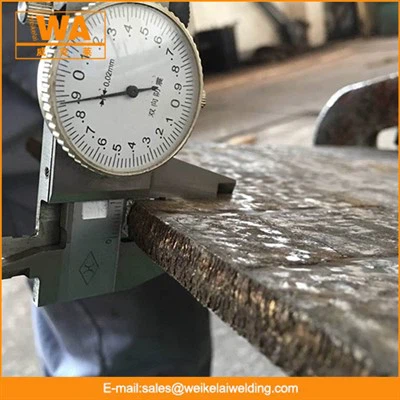
The size and thickness of the wear liners also play a significant role. Larger liners, in terms of surface area, will naturally weigh more than smaller ones, assuming the same thickness and material. Similarly, thicker liners will have a greater weight compared to thinner ones of the same size and material. For industries where space is limited or where the structure supporting the chute has weight - bearing limitations, the size and thickness need to be carefully considered to balance the need for wear protection and weight management.
Importance of Understanding the Weight
Installation Considerations
Knowing the weight of chute wear liners is essential during the installation process. Overly heavy liners might require specialized equipment for handling and installation. Crane or forklift operations may be necessary to move and position the liners correctly. Incorrect handling of heavy liners can pose risks to workers' safety and may lead to damage to the liners or the chute structure itself. For instance, if a liner is too heavy and not properly secured during installation, it could shift and cause misalignment, which may compromise its effectiveness in protecting the chute.
Structural Integrity
The weight of the liners also impacts the structural integrity of the chute system. Chutes are designed to withstand a certain amount of load, and adding heavy wear liners can increase this load significantly. Engineers need to ensure that the chute's support structure, such as frames and brackets, can handle the additional weight. Failure to consider the weight of the liners could result in structural failures, such as sagging or even collapse of the chute, which can lead to costly downtime and safety hazards in the workplace.
Operational Efficiency
From an operational perspective, the weight of the liners can affect the overall efficiency of the material handling process. In a conveyor system, for example, heavier Conveyor Wear Liners can increase the power consumption of the conveyor, as more energy is required to move the additional weight. This can lead to higher operating costs over time. Additionally, in some high - speed applications, the added weight can cause vibrations and reduce the smoothness of material flow, which may impact the quality of the product being transported.


Different Types of Chute Wear Liners and Their Weights
Metallic Wear Liners
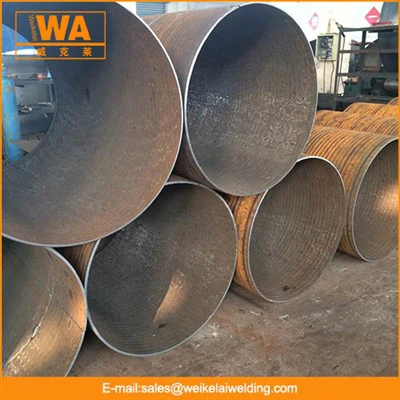
Metallic Wear Liners are commonly used in many industrial applications due to their high strength and wear resistance. Steel liners, such as those made from manganese steel or chromium alloy steel, are relatively heavy. The weight of a standard metallic chute wear liner can range from a few kilograms for small, thin liners to hundreds of kilograms for large, thick ones. For example, a 1 - inch thick manganese steel liner with a surface area of 1 square meter can weigh approximately 7850 kilograms per cubic meter, which translates to a weight of around 78.5 kilograms for this specific liner.
Non - Metallic Wear Liners
Non - metallic wear liners, such as rubber or polyurethane liners, offer an alternative to metallic liners in terms of weight. These materials are generally lighter than metals. A rubber chute wear liner of the same size as the aforementioned steel liner may weigh only a fraction of its weight. This light weight can be advantageous in applications where weight savings are critical, such as in mobile or portable equipment. However, non - metallic liners may have limitations in terms of their wear resistance under high - impact or high - temperature conditions.
Calculating the Weight of Chute Wear Liners
To calculate the weight of a chute wear liner, the following formula can be used:
Weight (W) = Volume (V) × Density (ρ)
The volume of a rectangular liner can be calculated by multiplying its length (L), width (W), and thickness (T), i.e., V = L × W × T. The density of the material can be obtained from material specifications or reference materials. For example, if we have a chromium alloy steel liner with a length of 1.5 meters, width of 1 meter, and thickness of 0.05 meters, and the density of the chromium alloy steel is 7800 kg/m³, the volume of the liner is V=1.5×1×0.05 = 0.075 m³. Then, the weight of the liner is W = 0.075×7800 = 585 kg.
Our Product Offerings and Weight Optimization
As a supplier of Chute Wear Liners, we understand the importance of weight in the application of these products. We offer a wide range of chute wear liners, including both metallic and non - metallic options, to meet the diverse needs of our customers. Our team of engineers can work closely with you to select the most appropriate liner material, size, and thickness based on your specific requirements, while also considering weight limitations.
For industries where weight is a major concern, we can provide lightweight non - metallic liners that still offer excellent wear protection. At the same time, if high - strength and durability are the top priorities, our metallic liners, such as Chromium Alloy Steel Mill Liners, can be customized to optimize their weight - to - performance ratio.
Contact for Procurement and Negotiation
If you are in need of chute wear liners and want to discuss further about the weight, material, or other aspects of our products, we welcome you to reach out to us. We are committed to providing you with the best solutions tailored to your specific needs. Feel free to initiate a discussion with our sales team for procurement and negotiation.