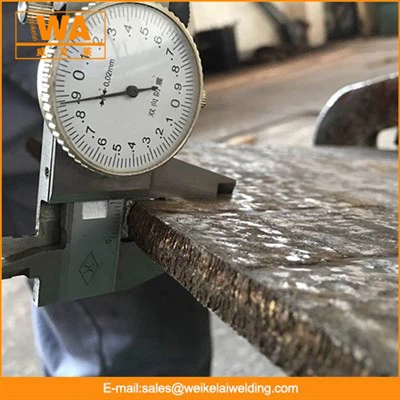
Hey there! As a supplier of Bent Cladding Pipe, I often get asked about the wall thickness of these pipes. So, I thought I'd write this blog to share some insights on what the wall thickness of a typical bent cladding pipe is and why it matters.
First off, let's understand what a bent cladding pipe is. A Bent Cladding Pipe is a specialized type of pipe that has been bent to a specific angle and then clad with a wear - resistant material. This cladding is crucial as it helps the pipe withstand the harsh conditions of industries like mining, power generation, and cement production, where pipes are constantly exposed to abrasive materials.
Now, onto the wall thickness. There isn't a one - size - fits - all answer when it comes to the wall thickness of a bent cladding pipe. It depends on several factors, and I'll break them down for you.


Factors Affecting Wall Thickness
1. Application
The industry and the specific application where the pipe will be used play a huge role. For example, in a coal - fired power plant, the pipes that transport coal ash are subjected to high - velocity abrasive particles. In such a case, a thicker walled bent cladding pipe is required. The abrasive nature of the coal ash can quickly wear down a thin - walled pipe, leading to leaks and costly repairs. On the other hand, in a less abrasive environment, like a water - based system, a thinner walled pipe might be sufficient.
2. Pressure
The internal pressure within the pipe is another critical factor. Pipes that carry fluids or gases under high pressure need to have a thicker wall to prevent bursting. High - pressure systems, such as those in oil refineries or chemical plants, demand pipes with robust walls to ensure safety and reliability. If the wall thickness is too thin, the pipe may not be able to withstand the pressure, leading to catastrophic failures.
3. Bend Radius
The radius of the bend in the pipe also affects the wall thickness. A smaller bend radius puts more stress on the pipe walls during the bending process. To compensate for this additional stress and to maintain the structural integrity of the pipe, a thicker wall may be necessary. In contrast, a pipe with a larger bend radius experiences less stress during bending, and thus, may not require as thick a wall.
Typical Wall Thickness Ranges
In general, the wall thickness of bent cladding pipes can range from around 3mm to 20mm. For light - duty applications with low - pressure and minimal abrasion, a wall thickness of 3mm to 6mm might be suitable. These pipes are often used in small - scale industrial processes or in systems where the flow rate and abrasive content are relatively low.
For medium - duty applications, such as in some mining operations where the abrasive materials are not extremely harsh and the pressure is moderate, the wall thickness typically falls between 6mm and 12mm. These pipes can handle a bit more wear and tear and are more durable than their thinner counterparts.
In heavy - duty applications, like in large - scale mining or high - pressure chemical processing, the wall thickness can be 12mm to 20mm or even more. These pipes are built to last in the most demanding environments and can withstand high - velocity abrasive particles and extreme pressures.
Importance of the Right Wall Thickness
Getting the wall thickness right is crucial for several reasons. Firstly, it ensures the longevity of the pipe. A pipe with an appropriate wall thickness will resist wear and corrosion for a longer period, reducing the need for frequent replacements. This, in turn, saves money on maintenance and replacement costs.
Secondly, it enhances safety. A pipe that can withstand the internal pressure and abrasive forces without failing is less likely to cause accidents. In industries where safety is of utmost importance, such as nuclear power plants or chemical factories, having the correct wall thickness is non - negotiable.
Finally, it improves the overall efficiency of the system. A well - designed bent cladding pipe with the right wall thickness allows for smooth flow of fluids or gases, minimizing pressure drops and energy losses.
Our Offerings
As a supplier of Bent Cladding Pipe, we understand the importance of getting the wall thickness right. We offer a wide range of pipes with different wall thicknesses to suit various applications. Our pipes are clad with high - quality wear - resistant materials, ensuring maximum durability and performance.
We also provide Wear Resistant Pipe and Hardfacing Abrasion Elbows that are designed to meet the specific needs of our customers. Whether you're in the mining, power generation, or chemical industry, we have the right solution for you.
If you're in the market for bent cladding pipes or related products, we'd love to have a chat with you. We can help you determine the best wall thickness for your application based on your specific requirements. Contact us today to start the conversation and find out how we can meet your pipe needs.
References
- Industry standards and guidelines for pipe manufacturing and design.
- Technical literature from leading pipe manufacturers and research institutions.
- Case studies from various industries using bent cladding pipes.