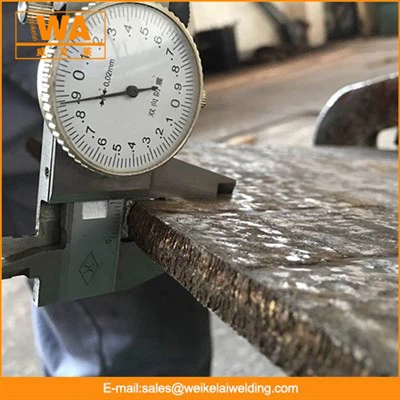
Hey there! As a supplier of Wear Steel Plate, I often get asked about the thickness range of these plates. So, I thought I'd write this blog to share all the details with you.


First off, let's understand what wear steel plates are. They're specially designed to resist wear and tear, making them perfect for applications where there's a lot of abrasion, impact, or sliding. Industries like mining, construction, agriculture, and manufacturing rely heavily on these plates to keep their equipment running smoothly and efficiently.
Now, onto the main question - what's the thickness range of wear steel plates? Well, it can vary quite a bit depending on the specific requirements of the application. Generally speaking, wear steel plates can be found in thicknesses ranging from as thin as 3mm to as thick as 150mm.
Thin Wear Steel Plates (3mm - 12mm)
Thin wear steel plates, typically in the range of 3mm to 12mm, are commonly used in applications where weight is a concern. For example, in the automotive industry, these thin plates might be used in the construction of trucks or trailers to protect the body from abrasion without adding too much extra weight. They're also popular in the manufacturing of agricultural equipment, such as plows and cultivators, where a lightweight yet durable material is needed to withstand the rigors of the field.
One of the advantages of thin wear steel plates is their flexibility. They can be easily bent and formed into different shapes, which makes them suitable for a wide range of custom applications. However, it's important to note that their thinner profile means they may not be as resistant to heavy impacts as thicker plates. So, they're usually best suited for applications where the wear is mainly due to abrasion rather than high-force impacts.
Medium Thickness Wear Steel Plates (12mm - 50mm)
Medium thickness wear steel plates, in the range of 12mm to 50mm, are the workhorses of the wear plate industry. They offer a good balance between strength, durability, and cost-effectiveness. These plates are commonly used in a variety of industries, including mining, construction, and material handling.
In the mining industry, medium thickness wear steel plates are used to line the inside of chutes, hoppers, and crushers to protect them from the abrasive action of rocks and minerals. In construction, they're used in the fabrication of heavy equipment, such as bulldozers and excavators, to withstand the constant wear and tear of the job site. And in material handling, they're used to make conveyor belts and other equipment that comes into contact with abrasive materials.
One of the key benefits of medium thickness wear steel plates is their versatility. They can handle a wide range of wear conditions, from moderate abrasion to occasional impacts. They're also relatively easy to weld and machine, which makes them a popular choice for custom fabrications.
Thick Wear Steel Plates (50mm - 150mm)
Thick wear steel plates, in the range of 50mm to 150mm, are designed for the most demanding applications. They're typically used in industries where there's a high risk of heavy impacts and extreme wear, such as the mining and quarrying industries.
In mining, thick wear steel plates are used to line the inside of large crushers and mills to protect them from the massive forces generated by the crushing and grinding of rocks. In quarrying, they're used to make the cutting edges of heavy machinery, such as rock saws and drills, to withstand the constant abrasion and impact of the stone.
The main advantage of thick wear steel plates is their exceptional strength and durability. They can withstand the most severe wear conditions without deforming or breaking. However, they're also heavier and more expensive than thinner plates, so they're usually only used in applications where the extra strength is absolutely necessary.
Factors Affecting Thickness Selection
When choosing the right thickness of wear steel plate for your application, there are several factors you need to consider. Here are some of the most important ones:
- Type of Wear: The type of wear your application will be exposed to is one of the most important factors to consider. If the wear is mainly due to abrasion, a thinner plate may be sufficient. However, if there's a high risk of heavy impacts, you'll need a thicker plate to ensure durability.
- Load and Stress: The load and stress your application will be subjected to also play a crucial role in thickness selection. If the plate will be carrying a heavy load or experiencing high stress, a thicker plate will be required to prevent deformation and failure.
- Cost: Cost is always a consideration when choosing any material. Thicker plates are generally more expensive than thinner plates, so you'll need to balance the cost with the performance requirements of your application.
- Fabrication Requirements: If you need to bend, weld, or machine the wear steel plate, you'll need to choose a thickness that's suitable for your fabrication process. Thinner plates are generally easier to work with, but they may not be strong enough for some applications.
Our Product Range
At our company, we offer a wide range of wear steel plates in different thicknesses to meet the needs of various industries. Whether you need a thin plate for a lightweight application or a thick plate for a heavy-duty job, we've got you covered.
We also offer Alloy Steel Plate, High Hardness Steel Plate, and Wear Resistant Plate options to provide you with even more choices. Our plates are made from high-quality materials and are manufactured to the highest standards to ensure superior performance and durability.
If you're not sure which thickness or type of wear steel plate is right for your application, our team of experts is here to help. We can provide you with technical advice and guidance to help you make the best decision for your needs.
Conclusion
In conclusion, the thickness range of wear steel plates can vary from 3mm to 150mm, depending on the specific requirements of the application. Thin plates are suitable for lightweight applications with mainly abrasion wear, medium thickness plates offer a good balance between strength and cost, and thick plates are designed for the most demanding applications with heavy impacts and extreme wear.
When choosing the right thickness of wear steel plate, it's important to consider factors such as the type of wear, load and stress, cost, and fabrication requirements. At our company, we offer a wide range of wear steel plates in different thicknesses and types to meet the needs of various industries.
If you're interested in purchasing wear steel plates or have any questions, please don't hesitate to contact us. We'd love to discuss your requirements and help you find the perfect solution for your application.
References
- Steel Construction Manual, American Institute of Steel Construction
- Handbook of Wear - Materials, Mechanics, and Practice, CRC Press