Hey there! As a wear plate supplier, I often get asked if wear plates are compatible with other materials. It's a great question, and I'm here to share some insights based on my experience in the industry.
First off, let's talk about what wear plates are. Wear plates are designed to resist wear, abrasion, and corrosion in various applications. They come in different types and materials, each with its own set of properties that make them suitable for specific environments.
There are quite a few common types of wear plates. One of the popular ones is the Wear Resistant Steel Plate. This type of plate is known for its high hardness and good toughness, which allows it to withstand heavy impacts and abrasive forces. It's commonly used in industries like mining, construction, and agriculture, where equipment is constantly exposed to harsh conditions.
Another option is the Chromium Carbide Coating. The coating provides excellent wear resistance, especially in high-temperature and high-stress environments. It's often applied to components that need to operate in extreme conditions, such as industrial furnaces and power generation equipment.
Anti Wear Steel is also a great choice. This steel has been specially formulated to reduce friction and prevent wear. It's widely used in machinery parts that are subject to sliding or rubbing contact, like conveyor belts and gears.
Abrasion Resistant Steel as the name suggests, is designed to fight against abrasion. It can handle the abrasive action of particles, whether they're sand, gravel, or other hard materials. This type of steel is a go - to for applications in the quarrying and recycling industries.
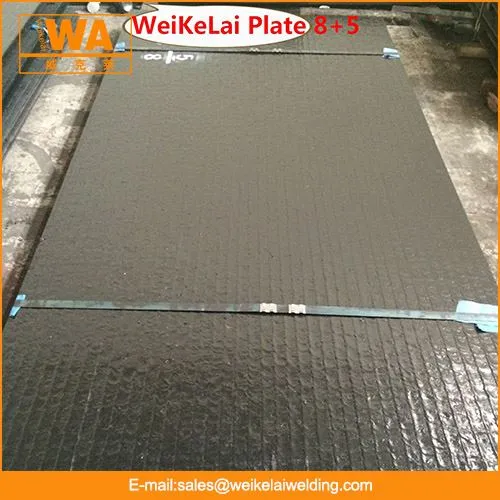
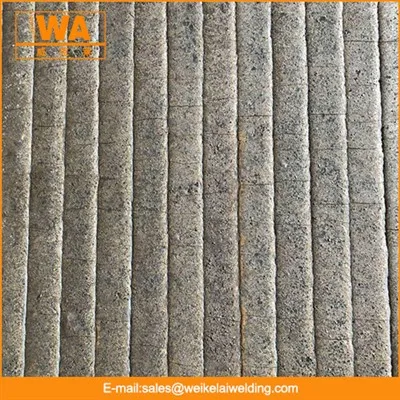
The Hardfacing Processed Plate is created through a hardfacing process, which adds a hard layer to the surface of the plate. This enhances the wear resistance and can extend the lifespan of the equipment. It's commonly used in parts like buckets and blades.
Now, let's get to the compatibility issue. Are wear plates compatible with other materials? Well, it depends on several factors.
One of the key factors is the nature of the other materials. For example, if you're using a wear plate in an assembly with a soft metal like aluminum, the wear plate's hardness might cause excessive wear on the aluminum component over time. In this case, you need to make sure that there's proper clearance or use some kind of intermediate material to reduce the direct contact and friction between the two.
Another important factor is the operating environment. Different materials have different chemical and physical properties, and they react differently to temperature, humidity, and chemical substances. For instance, in a highly corrosive environment, some wear plates might need to be paired with corrosion - resistant materials or be coated with a protective layer to avoid degradation.
It's also crucial to consider the mechanical forces at play. If there are high - frequency vibrations or large impacts in the application, the compatibility between the wear plate and other materials becomes even more critical. The materials need to be able to work together to absorb and distribute these forces evenly, otherwise, it could lead to premature failure of the components.
In most industrial applications, engineers and designers often need to conduct compatibility tests. They might run small - scale trials to see how the wear plate interacts with other materials under simulated real - world conditions. This helps them make informed decisions about which combinations will work best in the long run.
Let me give you some common examples of where wear plates are combined with other materials. In some conveyor systems, a wear - resistant steel plate might be used along with a rubber coating. The rubber coating provides some cushioning, reducing the impact on the wear plate and also preventing the transported materials from sticking. In this case, the combination works well because the rubber can handle the shock and the wear plate can handle the abrasive action.
In the mining industry, wear plates are often paired with steel frames. The steel frames provide the structural support, while the wear plates protect the critical areas from abrasion. Here, the key is to ensure that the connection between the wear plate and the frame is strong enough to withstand the forces involved in the mining operations.
Now, you might be wondering how to choose the right wear plate and ensure its compatibility with other materials. When selecting a wear plate, you need to have a clear understanding of your application requirements. Consider factors like the type of wear (abrasion, impact, or corrosion), the operating temperature, and the load on the equipment.
If you're unsure about which wear plate to use or how it will interact with other materials, don't hesitate to reach out to an expert. As a wear plate supplier, I've got a lot of knowledge and experience in this field. I can help you choose the right product and provide advice on compatibility.
If you're in the market for wear plates and want to know more about how they can work with your existing materials, or if you have a new project and need some guidance, I'd love to have a chat. Whether you need a small quantity for a prototype or a large - scale order for a big industrial project, I'm here to assist you. Just get in touch, and we can start discussing your specific needs.
In conclusion, wear plates can be compatible with other materials, but it requires careful consideration of multiple factors. By understanding the properties of the wear plates and the other materials involved, and by conducting proper tests and consultations, you can create a successful combination that will enhance the performance and longevity of your equipment.