

What is the replacement cost of metallic wear liners? That's a question I get asked a lot as a supplier of Metallic Wear Liners. In this blog, I'm gonna break down what goes into the replacement cost and give you a better understanding of how it all works.
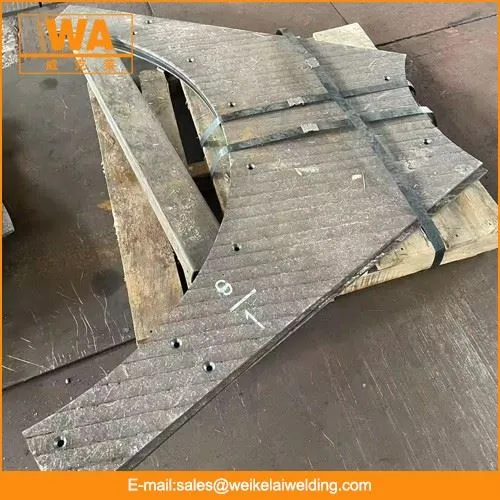
First off, let's talk about what metallic wear liners are. They're basically protective shields that you put in places where there's a lot of wear and tear, like conveyor systems and chutes. These liners take the brunt of the impact and abrasion, so your equipment lasts longer. You can check out Conveyor Wear Liners and Chute Wear Liners on our website to get a better idea of the types of liners we offer.
Now, when it comes to the replacement cost of metallic wear liners, there are a bunch of factors that come into play. The first one is the material. Metallic wear liners can be made from different metals, like steel, manganese, and chrome. Each material has its own properties and price point. For example, high - quality chrome - alloy liners are gonna be more expensive than basic steel liners. Why? Well, chrome - alloy liners are super resistant to wear and corrosion, which means they'll last longer. But that extra durability comes at a cost.
The size and thickness of the liner also matter. Larger and thicker liners require more material, so they're generally more expensive. If you've got a big conveyor or a large chute, you'll need bigger liners to cover the area. And if you want the liner to last a long time, you might opt for a thicker one. However, keep in mind that a thicker liner doesn't always mean it's the best choice. You've gotta balance the cost with the actual wear and tear your equipment will face.
Another factor is the complexity of the installation. Some liners are easy to install, while others need special tools and expertise. If the installation is complicated, you'll have to factor in the cost of labor. Professional installers charge for their time, and if they need to work in a hard - to - reach area or deal with a tricky design, the cost can go up significantly. For instance, if you're installing liners in a narrow chute with a lot of curves, it'll take more time and effort compared to a straight - forward conveyor.
The frequency of replacement is also important. If your liners wear out quickly, you'll have to replace them more often. This means you'll end up spending more money in the long run. That's why it's crucial to choose the right type of liner for your application. If you're in an industry where there's a high volume of abrasive materials flowing through your equipment, you'll want a liner that can withstand that kind of punishment. You can explore Wear Protection Linings on our site to find the liners that are best suited for your specific needs.
Let's talk a bit about how to calculate the replacement cost. You can start by estimating the cost of the liner itself. Look at the price per square foot or per unit of the material you've chosen. Then, add in the cost of installation. If you're doing it yourself, you'll only have to account for the cost of any tools you need. But if you're hiring professionals, get a few quotes from different installers to compare prices.
Next, think about the lifespan of the liner. Divide the total cost of the liner and installation by the number of years or months you expect it to last. This will give you an idea of the annual or monthly cost of the liner. For example, if a liner costs $1000 to buy and install and it lasts for 2 years, the annual cost is $500.

Now, you might be wondering if it's worth it to invest in more expensive liners. The answer depends on your situation. If you're running a business where downtime is extremely costly, spending more on a high - quality liner that lasts longer can actually save you money in the long run. When a liner wears out, you have to shut down your equipment for replacement. That means lost production time and potentially lost revenue. So, paying a bit more upfront for a liner that reduces the frequency of replacements can be a smart move.
On the other hand, if you have a small operation with low - volume usage, you might be able to get away with a less expensive liner. You won't face as much wear and tear, so you don't need the same level of durability.
As a supplier of Metallic Wear Liners, I've seen all sorts of situations. I've worked with big industrial companies that need top - of - the - line liners to keep their operations running smoothly, and I've also helped small businesses find cost - effective solutions.
If you're in the market for metallic wear liners, I encourage you to reach out to me. We can have a detailed discussion about your specific needs. Whether you're looking for Conveyor Wear Liners, Chute Wear Liners, or Wear Protection Linings, I can help you find the right product at the right price. I'll work with you to understand your application, the wear and tear your equipment faces, and your budget. Then, I'll recommend the best type of liner for you.
In conclusion, the replacement cost of metallic wear liners is influenced by many factors, including the material, size, thickness, installation complexity, and frequency of replacement. By carefully considering these factors and doing your research, you can make an informed decision that balances cost and performance. Don't hesitate to contact me if you have any questions or if you're ready to start the purchasing process. I'm here to help you get the most out of your investment in metallic wear liners.
References:
- "Handbook of Wear - Resistant Materials" by various industry experts
- Industry reports on metallic wear liner manufacturing and pricing trends





