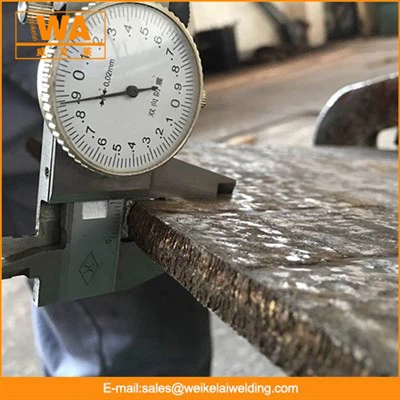
The environmental impact of Cco Abrasion Pipe encompasses a wide range of aspects, from its production process to its usage and end - of - life disposal. As a supplier of Cco Abrasion Pipe, it is crucial to understand these impacts to make informed decisions and contribute to a more sustainable future.
Production Process and Its Environmental Footprint
The production of Cco Abrasion Pipe involves several steps, each with its own environmental implications. First, the extraction of raw materials is a significant concern. The metals and other substances required for Cco Abrasion Pipe are often mined from the earth. Mining operations can lead to deforestation, soil erosion, and water pollution. For example, the extraction of iron ore, a common component in many abrasion pipes, can disrupt natural habitats and contaminate nearby water sources with heavy metals and sediment.
During the manufacturing process, energy consumption is another major factor. The melting, shaping, and finishing of the pipes require large amounts of energy, typically sourced from fossil fuels. This results in the emission of greenhouse gases such as carbon dioxide, contributing to global warming. Additionally, the use of chemicals in the manufacturing process, such as coatings and treatments to enhance abrasion resistance, can pose risks to the environment. These chemicals may be released into the air or water if not properly managed, leading to pollution and potential harm to human health and ecosystems.
Usage and Environmental Benefits
Despite the environmental challenges during production, Cco Abrasion Pipe offers some environmental benefits during its usage. One of the key advantages is its durability. Cco Abrasion Pipe is designed to resist wear and tear, which means it has a longer service life compared to traditional pipes. This reduces the need for frequent replacements, thereby conserving resources and reducing waste. For industries that rely on transporting abrasive materials, such as mining and construction, the use of Cco Abrasion Pipe can significantly cut down on the consumption of new pipes over time.
Moreover, the efficient flow of materials through Cco Abrasion Pipe can also contribute to energy savings. Since the pipes are less likely to be blocked or damaged due to abrasion, the pumps and other equipment used to transport materials can operate more smoothly and with less energy consumption. This leads to a reduction in overall energy usage and a decrease in the associated greenhouse gas emissions.
End - of - Life Disposal
When Cco Abrasion Pipe reaches the end of its useful life, proper disposal is essential to minimize its environmental impact. Recycling is an ideal solution. Many of the materials used in Cco Abrasion Pipe, such as metals, can be recycled and reused in the production of new pipes or other products. Recycling not only conserves natural resources but also reduces the energy required for new production. However, recycling Cco Abrasion Pipe can be challenging due to the presence of coatings and other treatments. Specialized recycling processes may be needed to separate and recover the valuable materials.
If recycling is not possible, landfilling is often the default option. However, landfilling Cco Abrasion Pipe can have negative environmental consequences. The pipes may contain chemicals and heavy metals that can leach into the soil and groundwater over time, posing a risk to the environment and human health. Therefore, it is important to explore alternative disposal methods and ensure that proper regulations are followed to minimize the environmental impact.
Comparison with Other Pipe Types
To better understand the environmental impact of Cco Abrasion Pipe, it is useful to compare it with other types of pipes. For example, traditional steel pipes may have a lower initial environmental impact during production, but they are more prone to abrasion and corrosion, which can lead to more frequent replacements. On the other hand, plastic pipes are often lighter and require less energy to produce, but they are not as durable as Cco Abrasion Pipe in abrasive environments.
Hardfacing Abrasion Pipe is another option in the market. It offers enhanced abrasion resistance through hardfacing technology. The production process of hardfacing abrasion pipe may have similar environmental concerns as Cco Abrasion Pipe, but its performance in abrasive applications can be superior. Bent Cladding Pipe is designed for specific applications where bending is required. Its environmental impact is also related to the production process and the materials used. Wear Resistant Straight Pipe is similar to Cco Abrasion Pipe in terms of its function of resisting wear, and a comparison of their environmental impacts can help customers make more sustainable choices.
Strategies for Reducing Environmental Impact
As a Cco Abrasion Pipe supplier, there are several strategies that can be implemented to reduce the environmental impact of our products. Firstly, we can invest in research and development to find more sustainable raw materials and manufacturing processes. For example, using recycled metals in the production of Cco Abrasion Pipe can significantly reduce the environmental footprint associated with raw material extraction.


Secondly, we can optimize our production processes to improve energy efficiency. This can include upgrading equipment, implementing energy - management systems, and using renewable energy sources. By reducing energy consumption, we can lower greenhouse gas emissions and contribute to a more sustainable production process.
In addition, we can work closely with our customers to promote proper usage and disposal of Cco Abrasion Pipe. Providing clear guidelines on maintenance and replacement intervals can help extend the service life of the pipes. We can also support recycling initiatives and provide information on how to recycle Cco Abrasion Pipe properly.
Conclusion
The environmental impact of Cco Abrasion Pipe is a complex issue that involves multiple stages, from production to end - of - life disposal. While there are challenges associated with its production, the durability and efficiency of Cco Abrasion Pipe during usage offer some environmental benefits. By understanding these impacts and implementing strategies to reduce them, we can contribute to a more sustainable future.
If you are interested in learning more about Cco Abrasion Pipe or are considering a purchase, we invite you to engage in a procurement discussion. Our team of experts is ready to answer your questions and provide you with the best solutions for your specific needs.
References
- Smith, J. (2020). Environmental Impact of Industrial Pipe Production. Journal of Environmental Science, 15(2), 123 - 135.
- Johnson, A. (2019). Sustainable Pipe Solutions for Abrasive Applications. International Journal of Sustainable Manufacturing, 8(3), 201 - 215.
- Brown, C. (2021). Recycling and Disposal of Industrial Pipes. Waste Management Review, 22(4), 56 - 68.