

Hey there! As a supplier of Flux Cored Arc welding products, I've been in the thick of the welding industry for quite some time. One question that keeps popping up in my conversations with welders is about the effect of arc length on Flux Cored Arc welding quality. So, let's dive right into it.
First off, what exactly is arc length? In simple terms, it's the distance between the tip of the welding wire and the workpiece. This seemingly small factor can have a huge impact on the quality of your weld.
When the arc length is too short, a bunch of issues can crop up. For starters, the weld bead might end up being really narrow and tall. This is because with a short arc, the heat is concentrated in a small area. The molten metal doesn't have much room to spread out, so it piles up. This can lead to poor fusion between the weld and the base metal. You might also notice a lot of spatter. The short arc can cause the molten metal to splash out of the weld pool, leaving behind a messy and uneven surface. And let's not forget about the risk of electrode sticking. If the arc is too short, the welding wire can stick to the workpiece, which can be a real pain to deal with and can also damage the welding equipment.
On the flip side, when the arc length is too long, things aren't much better. A long arc means the heat is more spread out. This can result in a wide and shallow weld bead. The weld might not penetrate the base metal deeply enough, which weakens the joint. There's also an increased risk of porosity. The longer arc allows more air to get into the weld pool, and this air can get trapped as the metal solidifies, creating tiny holes in the weld. Porosity can significantly reduce the strength and integrity of the weld. Additionally, a long arc can make the welding process less stable. The arc can flicker and wander, making it harder to control the weld bead shape and size.
So, what's the ideal arc length? Well, it depends on a few factors, like the type of welding wire you're using, the thickness of the workpiece, and the welding current. Generally, for most Flux Cored Arc welding applications, an arc length of around 1/8 to 3/16 of an inch is a good starting point. But it's always a good idea to do some test welds to find the sweet spot for your specific situation.
Now, let's talk about the different types of Flux Cored Arc welding wires we offer. We have some great options like the Resistant Flux Core Wire. This wire is designed to be highly resistant to wear and tear, making it perfect for applications where the weld will be exposed to harsh conditions. It also provides excellent arc stability, which helps in maintaining the right arc length and producing high - quality welds.
Another popular choice is our Flux Core Stainless Steel Welding Wire. Stainless steel is widely used in many industries because of its corrosion resistance. Our flux core stainless steel wire is formulated to ensure a strong and clean weld on stainless steel workpieces. It has a smooth arc transfer, which makes it easier to control the arc length and get a consistent weld quality.
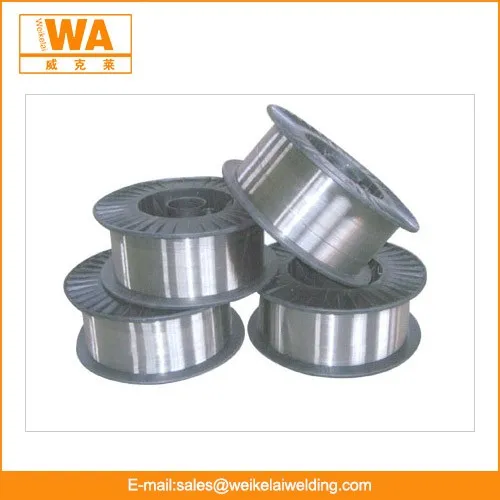

And then there's our Stainless Flux Cored Welding Wire. This wire is specifically designed for welding stainless steel materials. It offers good penetration and a beautiful weld appearance. Whether you're working on a small DIY project or a large industrial job, this wire can help you achieve great results.
To sum it up, arc length is a crucial factor in Flux Cored Arc welding. Getting it right can make the difference between a strong, clean weld and a weak, messy one. By choosing the right welding wire and carefully controlling the arc length, you can ensure high - quality welds every time.
If you're in the market for Flux Cored Arc welding products, we'd love to have a chat with you. Whether you're a professional welder or a hobbyist, we can help you find the right products for your needs. Just reach out to us and let's start a conversation about your welding projects.
References
- Welding Handbook, American Welding Society
- Flux Cored Arc Welding: Principles and Practices, Industry Publication





