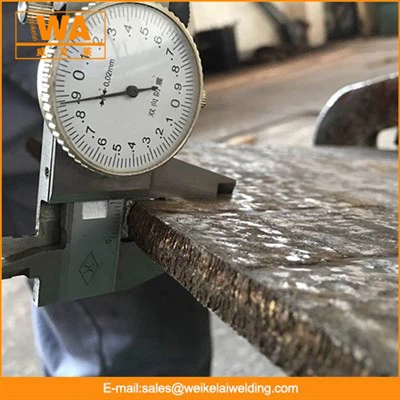
As a supplier of wear-resistant pipes, I often encounter inquiries from clients about the chemical composition of these essential industrial components. Wear-resistant pipes are crucial in various industries, including mining, power generation, and cement production, where they are exposed to harsh conditions such as high-speed particle flow, abrasive materials, and corrosive environments. Understanding the chemical composition of wear-resistant pipes is key to selecting the right type for specific applications and ensuring optimal performance and longevity.


Common Elements in Wear-Resistant Pipes
Iron (Fe)
Iron is the base metal in most wear-resistant pipes. It provides the structural integrity and basic mechanical properties of the pipe. In its pure form, iron is relatively soft, but when combined with other elements, it forms alloys that can significantly enhance its strength, hardness, and wear resistance. For example, in carbon steel pipes, iron is the primary component, and the addition of carbon and other alloying elements can transform it into a material suitable for demanding applications.
Carbon (C)
Carbon is one of the most important alloying elements in wear-resistant pipes. It has a profound effect on the hardness and strength of the steel. As the carbon content increases, the hardness and strength of the steel also increase, but its ductility and weldability decrease. In wear-resistant pipes, carbon content typically ranges from 0.1% to 1.5%, depending on the specific requirements of the application. Higher carbon content is often used in pipes that need to withstand severe abrasion, such as those used in mining and quarrying operations.
Chromium (Cr)
Chromium is another essential alloying element in wear-resistant pipes. It forms a protective oxide layer on the surface of the steel, which enhances its corrosion resistance and oxidation resistance. Chromium also increases the hardness and wear resistance of the steel by forming hard carbides. In wear-resistant pipes, chromium content can range from 2% to 30%, depending on the application. Pipes with high chromium content are often used in corrosive environments, such as chemical processing plants and offshore oil and gas platforms.
Nickel (Ni)
Nickel is added to wear-resistant pipes to improve their toughness, ductility, and corrosion resistance. It also enhances the hardenability of the steel, allowing it to achieve higher hardness levels during heat treatment. Nickel is particularly useful in applications where the pipe needs to withstand impact and shock loading, such as in the transportation of heavy materials. In wear-resistant pipes, nickel content typically ranges from 1% to 20%, depending on the specific requirements of the application.
Molybdenum (Mo)
Molybdenum is used in wear-resistant pipes to increase their strength, hardness, and wear resistance at high temperatures. It also improves the corrosion resistance of the steel, especially in acidic environments. Molybdenum forms hard carbides with carbon, which contribute to the wear resistance of the pipe. In wear-resistant pipes, molybdenum content typically ranges from 0.2% to 5%, depending on the application.
Manganese (Mn)
Manganese is added to wear-resistant pipes to improve their strength, hardness, and ductility. It also acts as a deoxidizer and desulfurizer, helping to remove impurities from the steel. Manganese enhances the hardenability of the steel, allowing it to achieve higher hardness levels during heat treatment. In wear-resistant pipes, manganese content typically ranges from 0.5% to 2%, depending on the specific requirements of the application.
Different Types of Wear-Resistant Pipes and Their Chemical Compositions
Wear Resistant Straight Pipe
Wear Resistant Straight Pipe is a common type of wear-resistant pipe used in various industries. It is typically made of alloy steel with a specific chemical composition designed to provide excellent wear resistance and mechanical properties. The chemical composition of wear-resistant straight pipes may vary depending on the manufacturer and the specific application requirements. However, common elements found in these pipes include iron, carbon, chromium, nickel, molybdenum, and manganese.
Abrasion Resistant Elbows
Abrasion Resistant Elbows are used in piping systems where the flow of materials changes direction, causing increased abrasion at the elbow joints. These elbows are designed to withstand high levels of wear and erosion. The chemical composition of abrasion-resistant elbows is similar to that of wear-resistant straight pipes, but they may have a higher concentration of alloying elements to enhance their wear resistance.
Hardfacing Abrasion Pipe
Hardfacing Abrasion Pipe is a specialized type of wear-resistant pipe that has a hardfacing layer applied to its inner surface. The hardfacing layer is typically made of a high-hardness alloy, such as tungsten carbide or chromium carbide, which provides excellent wear resistance. The chemical composition of the base pipe and the hardfacing layer may vary depending on the specific application requirements.
Importance of Chemical Composition in Wear-Resistant Pipes
The chemical composition of wear-resistant pipes plays a crucial role in determining their performance and durability. By carefully selecting the appropriate alloying elements and their concentrations, manufacturers can tailor the properties of the pipes to meet the specific requirements of different applications. For example, pipes used in high-temperature environments may require a higher concentration of molybdenum to maintain their strength and hardness. Pipes used in corrosive environments may need a higher chromium content to enhance their corrosion resistance.
In addition to performance, the chemical composition of wear-resistant pipes also affects their cost. Pipes with a higher concentration of alloying elements are generally more expensive than those with a lower concentration. Therefore, it is important to strike a balance between performance and cost when selecting wear-resistant pipes for a specific application.
Conclusion
In conclusion, the chemical composition of wear-resistant pipes is a complex and important aspect of their design and performance. By understanding the role of different alloying elements and their effects on the properties of the pipes, manufacturers and end-users can make informed decisions when selecting the right type of wear-resistant pipe for their specific applications. Whether you are in the mining, power generation, or cement production industry, choosing the appropriate wear-resistant pipe can significantly improve the efficiency and reliability of your operations.
If you are interested in learning more about our wear-resistant pipes or would like to discuss your specific requirements, please feel free to contact us. We are committed to providing high-quality wear-resistant pipes and excellent customer service. Let's work together to find the best solution for your wear protection needs.
References
- ASM Handbook, Volume 1: Properties and Selection: Irons, Steels, and High-Performance Alloys.
- Metals Handbook Desk Edition, Third Edition.
- Corrosion Resistance of Stainless Steels, Second Edition.