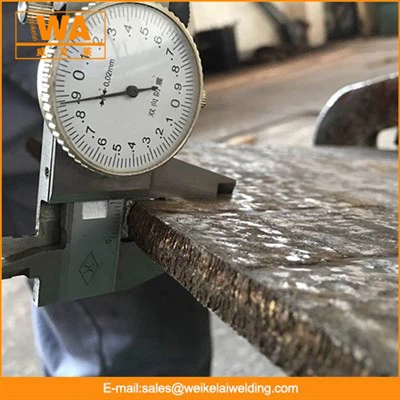
In the realm of industrial materials, wear steel plates stand as a cornerstone for numerous applications where durability and resistance are paramount. As a seasoned wear steel plate supplier, I've witnessed firsthand the critical role these plates play in various industries, from mining and construction to manufacturing and transportation. But what exactly constitutes a certification for high - quality wear steel plate? This blog aims to delve into this question, exploring the standards, tests, and characteristics that define top - notch wear steel plates.
Understanding Wear Steel Plates
Before we jump into the certification details, it's essential to understand what wear steel plates are. Wear steel plates are specially designed steel products engineered to withstand abrasion, impact, and other forms of wear. They are commonly used in environments where regular steel would quickly succumb to damage, such as in the linings of hoppers, chutes, and crushers in the mining industry, or in the bodies of dump trucks and earth - moving equipment.
There are different types of wear steel plates, each with its own set of properties and applications. For instance, Abrasion Resistant Metals are designed to resist the wearing action caused by the rubbing, scraping, or erosion of materials. Wear Resistant Steel is a broader category that encompasses various grades of steel with enhanced wear - resistant properties, often achieved through alloying elements and heat treatment. Alloy Steel Plate is another type, which contains additional alloying elements like chromium, nickel, and molybdenum to improve its strength, hardness, and wear resistance.
Key Certifications for High - Quality Wear Steel Plates
1. International Standards Organization (ISO) Certifications
ISO certifications are widely recognized around the world as a mark of quality and compliance. For wear steel plates, ISO 9001 is a crucial certification. This standard focuses on the quality management system of a company. A wear steel plate supplier with ISO 9001 certification demonstrates that they have a well - defined quality management process in place, from raw material sourcing to production and delivery. This includes procedures for quality control, employee training, and continuous improvement.
ISO 14001 is another important certification, which pertains to environmental management. In the production of wear steel plates, there are various environmental aspects to consider, such as energy consumption, waste management, and emissions. A supplier with ISO 14001 certification shows that they are committed to minimizing their environmental impact during the manufacturing process.
2. National and Industry - Specific Standards
In addition to international standards, there are also national and industry - specific standards that wear steel plates must meet. For example, in the United States, the American Society for Testing and Materials (ASTM) has developed a series of standards for steel products, including wear steel plates. ASTM A514 is a well - known standard for high - yield, quenched, and tempered alloy steel plates, which are often used in applications requiring high strength and wear resistance.
In the European Union, the EN standards play a similar role. EN 10204 is a standard for inspection documents for steel products, which provides a framework for the inspection and certification of the quality of steel plates. Different industries may also have their own specific standards. For instance, the mining industry may have requirements for the abrasion resistance and impact toughness of wear steel plates used in mining equipment.


3. Material Testing and Certification
One of the most direct ways to assess the quality of a wear steel plate is through material testing. There are several types of tests that are commonly performed:
- Hardness Testing: Hardness is a key property of wear steel plates, as it is closely related to wear resistance. The most common hardness testing methods include the Brinell, Rockwell, and Vickers hardness tests. A high - quality wear steel plate should have a consistent hardness throughout its thickness and surface, which indicates proper heat treatment and alloying.
- Tensile Testing: Tensile testing measures the strength and ductility of the steel plate. It involves applying a pulling force to a sample of the steel plate until it breaks. The results of the tensile test, such as the yield strength, ultimate tensile strength, and elongation, provide important information about the mechanical properties of the steel plate.
- Impact Testing: Impact testing evaluates the ability of the steel plate to withstand sudden impacts. The Charpy V - notch test is a widely used impact testing method. A good wear steel plate should have sufficient impact toughness to prevent brittle fracture under impact loading.
After these tests are performed, the results are documented in a material certification. This certification provides detailed information about the chemical composition, mechanical properties, and test results of the wear steel plate, which gives customers confidence in the quality of the product.
Characteristics of High - Quality Wear Steel Plates
1. Uniformity
A high - quality wear steel plate should have a uniform microstructure and properties throughout its entire volume. This means that the hardness, strength, and wear resistance should be consistent from one part of the plate to another. Non - uniformity can lead to premature failure in certain areas of the plate, reducing its overall performance and lifespan.
2. High Wear Resistance
As the name suggests, wear resistance is the most important characteristic of wear steel plates. High - quality wear steel plates are made from materials and processes that provide excellent resistance to abrasion, erosion, and impact. This allows them to maintain their integrity and performance in harsh operating environments for an extended period of time.
3. Good Weldability
In many applications, wear steel plates need to be welded to other components. Therefore, good weldability is an important characteristic. A high - quality wear steel plate should be able to be welded without significant loss of its mechanical properties or the formation of defects such as cracks or porosity.
4. Corrosion Resistance
In addition to wear resistance, corrosion resistance is also a concern, especially in environments where the steel plate is exposed to moisture, chemicals, or other corrosive substances. Some wear steel plates are treated with anti - corrosion coatings or contain alloying elements that enhance their corrosion resistance.
Why Choose a Certified Wear Steel Plate Supplier
When it comes to purchasing wear steel plates, choosing a certified supplier is crucial. A certified supplier not only provides high - quality products that meet the required standards but also offers several other benefits:
- Reliability: A supplier with proper certifications has a proven track record of quality and compliance. This means that you can rely on them to deliver consistent, high - quality wear steel plates on time.
- Technical Support: Certified suppliers often have a team of experts who can provide technical support and advice. They can help you choose the right type of wear steel plate for your specific application, and provide guidance on installation, maintenance, and welding.
- After - Sales Service: Good suppliers offer excellent after - sales service. In case you encounter any issues with the wear steel plates, they will be able to provide prompt solutions, such as replacement or repair.
Contact for Procurement and Negotiation
If you are in the market for high - quality wear steel plates, I invite you to reach out to us. As a trusted wear steel plate supplier, we are committed to providing you with the best products and services. Whether you need a small quantity for a specific project or a large - scale supply for your industrial operations, we can meet your requirements. Contact us to start the procurement and negotiation process, and let us help you find the perfect wear steel plates for your needs.
References
- ASTM International. (Year). ASTM standards for steel products.
- International Organization for Standardization. (Year). ISO standards for quality and environmental management.
- European Committee for Standardization. (Year). EN standards for steel products.