Yo, I'm a supplier of wear-resistant alloys, and today I'm gonna chat about the wear-resistant alloys that are suitable for rolling wear. Rolling wear is a common issue in lots of industries, like manufacturing, mining, and construction. That's where the right wear-resistant alloys can really make a huge difference.
So, let's first understand what rolling wear is. Rolling wear happens when two surfaces are in rolling contact with each other. This can lead to material loss, surface damage, and eventually, failure of the components. Factors such as load, speed, and surface roughness play big roles in how severe the rolling wear will be. Now, we need to find alloys that can hold up against these challenges.
One of the top choices for dealing with rolling wear is alloy steel. Alloy steel is super popular due to its high strength and good wear resistance. The Alloy Steel Plate we offer is made by adding various alloying elements like manganese, nickel, and chromium to the base steel. These alloying elements improve the hardness and toughness of the steel, making it better at withstanding the forces during rolling. For example, in rolling mills where metal sheets are produced, alloy steel plates can be used as rolls. Their high hardness helps them maintain their shape and surface quality over a long time under the intense pressure of the rolling process.
Another great option is abrasion-resistant steel. The Abrasion Resistant Steel Plate is specifically designed to resist abrasion, which is a major part of rolling wear. This type of steel has a high carbon content and is often heat-treated to enhance its hardness. It can handle the constant rubbing and scraping that occur during rolling. In the mining industry, where conveyor belts and crushers are used, abrasion-resistant steel plates are used to line the parts that come into contact with rocks and minerals. This significantly reduces the wear and tear, saving a lot of money on replacements.
Chromium carbide coating is also a game - changer when it comes to rolling wear. The Chromium Carbide Coating is applied to the surface of a base material. Chromium carbide has extremely high hardness and good chemical stability. By coating components that are subject to rolling wear, such as gears and bearings, we can increase their wear resistance significantly. The coating acts as a protective layer, preventing the base material from direct contact with the opposing surface. It's like giving your components a super - tough shield.
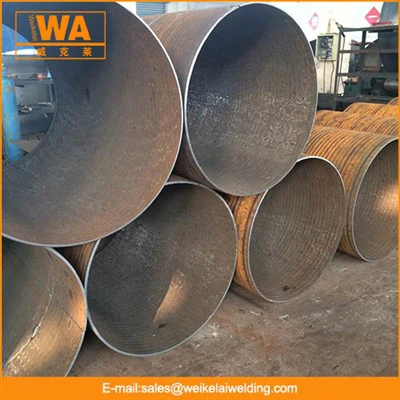
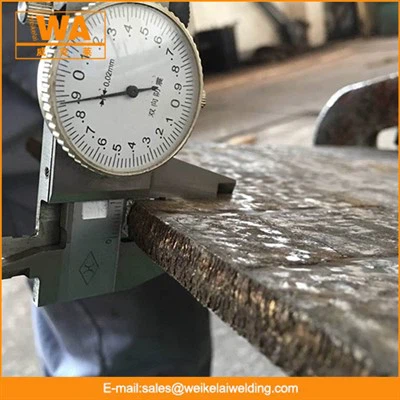
Hardfacing wear plates are also worth mentioning. The Hardfacing Wear Plate is created by depositing a hard, wear - resistant layer on a base plate. This hardfacing layer can be made from different alloys, depending on the specific requirements of the application. For instance, if the rolling wear involves high - temperature conditions, we can choose an alloy that has good heat - resistance properties for the hardfacing. In the construction industry, hardfacing wear plates can be used on equipment like asphalt pavers and excavators. They help the equipment last longer and perform better in tough working environments.
Then there are the wear - resistant metals. The Wear Resistant Metals we provide are a broad category that includes metals and metal alloys specifically engineered for wear resistance. Some of these metals have unique microstructures that contribute to their excellent wear - resistant properties. For example, some wear - resistant metals have a fine - grained structure that distributes the stress evenly during rolling, reducing the chances of crack formation and material loss.
Now, choosing the right wear - resistant alloy depends on several factors. First, you need to consider the operating conditions. If the components are going to operate at high speeds, you'll need an alloy that can handle the high - speed impacts and frictional forces. For high - load applications, an alloy with high strength and toughness is essential. Second, think about the environment. If the rolling wear occurs in a corrosive environment, you'll want an alloy that also has good corrosion resistance.
Let me give you a couple of real - life examples. In a gear manufacturing plant, they were facing frequent failures of their gears due to rolling wear. After switching to our alloy steel gears, the production downtime was significantly reduced. The gears lasted much longer, and they didn't have to replace them as often. This not only saved them money on parts but also increased the overall productivity of the plant.
In a mining operation, the conveyor system was constantly wearing out. By using our abrasion - resistant steel plates to line the conveyor chutes, they were able to extend the lifespan of the conveyor system. The reduced wear meant less maintenance and more efficient material handling.
So, if you're in an industry that deals with rolling wear, and you're looking for high - quality wear - resistant alloys, we're here to help. We've got a wide range of products, from alloy steel plates to chromium carbide coatings. Our team of experts can also help you choose the right alloy for your specific application. Whether you're just starting to look for solutions or you've been struggling with wear problems for a while, we can offer you the best products and advice.
If you're interested in learning more about our wear - resistant alloys or want to start a procurement discussion, don't hesitate to reach out. We're always ready to talk about how our products can solve your rolling wear problems and save you money in the long run.