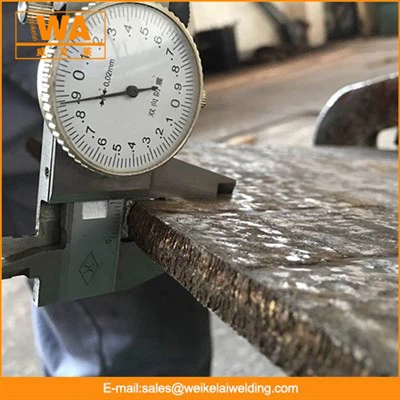
Hey there! As a wear steel plate supplier, I've seen firsthand how crucial it is to take safety precautions when using these plates. Wear steel plates are super tough and durable, designed to withstand a lot of wear and tear. But like any industrial material, using them safely is a must. In this blog, I'll share some important safety tips that you should keep in mind.
1. Personal Protective Equipment (PPE)
First things first, PPE is your best friend when working with wear steel plates. You should always wear safety glasses to protect your eyes from any flying debris. When cutting, grinding, or welding the plates, tiny metal particles can go flying, and those can cause serious eye injuries. A good pair of safety glasses with side shields will keep your eyes safe.
Next up is gloves. You need heavy - duty work gloves made of materials like leather or cut - resistant fabric. Wear steel plates can be sharp, especially when they're newly cut or have rough edges. Gloves will not only protect your hands from cuts but also from any chemicals or coatings that might be on the plates.
Don't forget about a hard hat. If you're working in an environment where there's a risk of objects falling on your head, like in a construction site or a manufacturing plant, a hard hat is essential. Falling steel plates or tools can cause severe head injuries, so it's better to be safe than sorry.
Lastly, steel - toed boots are a must. They protect your feet from heavy plates that might accidentally drop on them. The steel toe can prevent fractures and other serious foot injuries. You can find a wide range of steel - toed boots that are comfortable and suitable for long - term use.
2. Handling and Storage
When it comes to handling wear steel plates, proper lifting techniques are key. If the plates are small and light, you can carry them by hand, but make sure to lift with your legs, not your back. Bending over and lifting heavy objects with your back can lead to back pain and injuries.
For larger and heavier plates, you'll need to use lifting equipment like cranes or forklifts. Before using any lifting equipment, make sure it's in good working condition. Check the cables, hooks, and other components for any signs of wear or damage. Also, ensure that the lifting points on the plates are properly attached and can support the weight.
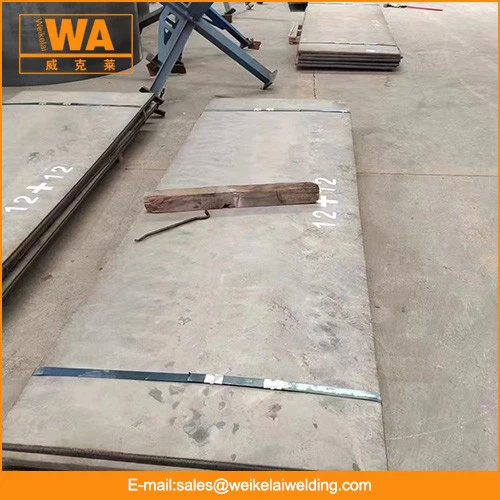

When storing wear steel plates, keep them in a dry and well - ventilated area. Moisture can cause the plates to rust, which can weaken their structure. Stack the plates on a flat and stable surface, and make sure they're properly secured to prevent them from falling or shifting. You can use wooden spacers between the plates to prevent scratching and damage.
3. Cutting and Welding
Cutting and welding wear steel plates require special attention. If you're using a cutting torch, make sure you're in a well - ventilated area. The fumes produced during cutting can be harmful if inhaled. You might also want to wear a respirator to protect your lungs.
Before starting the cutting process, mark the cutting line clearly on the plate. Use a straightedge or a template to ensure a straight cut. When using a power saw, keep your hands away from the blade and follow the manufacturer's instructions carefully.
Welding wear steel plates is a bit more complicated. You need to use the right welding electrodes and techniques. Different types of wear steel plates may require different welding methods. For example, some plates may need pre - heating before welding to prevent cracking.
Always wear welding gloves, a welding helmet with a proper shade lens, and a welding jacket. The heat and sparks produced during welding can cause burns and eye damage. Make sure there's a fire extinguisher nearby in case of any accidental fires.
4. Inspection
Regular inspection of wear steel plates is important. Before using a plate, check it for any cracks, dents, or other signs of damage. Cracks can weaken the plate and make it more likely to fail under stress. If you find any damage, don't use the plate until it's been repaired or replaced.
During use, keep an eye on the plate's performance. If you notice any abnormal wear or deformation, stop using the plate immediately and investigate the cause. It could be due to improper installation, excessive load, or other factors.
5. Training
All workers who handle wear steel plates should receive proper training. Training should cover safety procedures, handling techniques, and the use of equipment. A well - trained workforce is less likely to have accidents and can ensure the safe and efficient use of wear steel plates.
You can provide on - the - job training, or send your workers to external training courses. Make sure the training is up - to - date and covers all the latest safety standards.
6. Compatibility
When using wear steel plates, make sure they're compatible with the application. Different types of wear steel plates are designed for different purposes. For example, some plates are more suitable for high - impact applications, while others are better for abrasion - resistant applications.
If you're not sure which type of plate to use, you can refer to resources like Wear Resistant Steel and Abrasion Resistant Metals. These websites can provide you with more information about the different types of wear steel plates and their applications.
7. Surface Finish
The surface finish of wear steel plates can also affect safety. Some plates have a smooth surface, which can be slippery. In areas where people might walk on the plates, make sure to use plates with a non - slip surface or add anti - slip coatings. You can learn more about Smooth Wear Plate and how to deal with its surface characteristics.
In conclusion, using wear steel plates safely is all about being prepared and following the right procedures. By wearing the proper PPE, handling and storing the plates correctly, using the right cutting and welding techniques, inspecting regularly, providing training, ensuring compatibility, and considering the surface finish, you can minimize the risk of accidents and injuries.
If you're in the market for high - quality wear steel plates and want to learn more about our products, feel free to reach out. We're here to help you make the right choice and ensure that you can use our wear steel plates safely and effectively. Whether you're a small business or a large industrial company, we can provide you with the right solutions for your needs. Let's start a conversation about your wear steel plate requirements!
References
- Industry safety guidelines for metalworking
- Manufacturer's instructions for wear steel plates
- Safety standards for handling and using industrial materials