Yo, folks! I'm a supplier of Roller Welding Repair, and today I wanna chat about what it takes to get those rollers in the toy industry back in tip - top shape.
First off, let's talk about the importance of roller welding in the toy industry. Toys are made in all sorts of shapes and sizes, and rollers play a crucial role in the manufacturing process. They're used for things like shaping plastic parts, moving materials along the production line, and even in the printing and packaging stages. When these rollers start to wear out, it can mess up the whole production process, causing delays and even affecting the quality of the toys. That's where roller welding repair comes in!
Material Compatibility
One of the key requirements for roller welding repair in the toy industry is material compatibility. Toys are made from a wide range of materials, including plastics, metals, and rubber. The rollers used in their production are often made of high - quality steel or other durable alloys. When we're doing a roller welding repair, we need to make sure that the welding material we use is compatible with the original roller material.
For example, if the roller is made of a specific type of stainless steel, we can't just use any old welding rod. We need to find a welding material that has similar chemical and mechanical properties. This ensures that the repaired roller will be as strong and reliable as the original. If we use an incompatible welding material, it could lead to problems like cracks, corrosion, or even a complete failure of the roller.
We also need to consider the material that the roller will be in contact with during the toy - making process. If the roller is used to shape plastic parts, the surface of the repaired roller should be smooth and non - reactive to the plastic. Otherwise, it could cause the plastic to stick to the roller or leave marks on the finished toy.
Precision and Accuracy
In the toy industry, precision is everything. Toys are designed to be detailed and high - quality, and the rollers used in their production need to be just as precise. When we're doing a roller welding repair, we need to make sure that the repaired roller meets the exact specifications of the original.
This means getting the dimensions right. The diameter, length, and roundness of the roller all need to be within a very tight tolerance. Even a small deviation can cause problems in the toy - making process. For example, if the roller is slightly off - round, it could cause uneven pressure on the materials being processed, leading to defects in the toys.
We also need to ensure that the welding is done precisely. The weld bead should be smooth and uniform, with no gaps or bumps. Any irregularities in the weld can affect the performance of the roller. To achieve this level of precision, we use advanced welding techniques and state - of - the - art equipment.
Surface Finish
The surface finish of the roller is another important requirement for roller welding repair in the toy industry. As I mentioned earlier, if the roller is used to shape plastic parts or print on toys, the surface needs to be smooth and defect - free.
We use various finishing processes after the welding is complete to achieve the desired surface finish. This could include grinding, polishing, or even some specialized coating techniques. The goal is to create a surface that is not only smooth but also has the right amount of friction. Too much friction, and the materials being processed could stick to the roller. Too little friction, and the materials might not move along the roller as intended.
Moreover, the surface finish needs to be resistant to wear and tear. Toys are made in large quantities, and the rollers are constantly in use. A roller with a poor surface finish will wear out quickly, leading to more frequent repairs and downtime in the production process.
Quality Control
Quality control is a must - have when it comes to roller welding repair in the toy industry. We have a strict set of quality control measures in place to ensure that every repaired roller meets the highest standards.
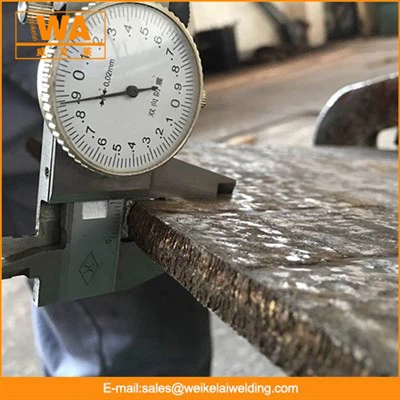
This starts with a thorough inspection of the roller before the repair process begins. We use tools like calipers, micrometers, and non - destructive testing methods to check for any existing damage or defects. Once the repair is complete, we do another round of inspections. We check the dimensions, the surface finish, and the integrity of the weld.
We also perform some functional tests to make sure that the roller works as it should in a real - world scenario. For example, we might simulate the toy - making process using a test rig to see if the roller can handle the load and the type of materials it will encounter.
Safety Standards
Safety is always a top priority in any industry, and the toy industry is no exception. When we're doing a roller welding repair, we need to make sure that the repaired roller meets all the relevant safety standards.
This includes making sure that the roller is properly balanced. An unbalanced roller can cause vibrations, which not only affect the quality of the toys but can also be a safety hazard for the workers. We also need to ensure that the surface of the roller is free from any sharp edges or burrs that could cause injuries.
In addition, the welding material we use should be non - toxic. Since toys are often played with by children, we can't have any harmful substances leaching from the roller.
Cost - effectiveness
Let's talk about money. In the toy industry, manufacturers are always looking for ways to cut costs without sacrificing quality. That's why cost - effectiveness is an important requirement for roller welding repair.
We understand that toy manufacturers have a budget to stick to, and we strive to offer our roller welding repair services at a reasonable price. We do this by optimizing our processes, using cost - effective but high - quality welding materials, and reducing waste.
At the same time, we make sure that the repaired rollers have a long service life. A roller that needs to be repaired frequently can end up costing more in the long run. So, we focus on providing a repair that is not only affordable but also durable.


Environmental Considerations
In today's world, environmental considerations are becoming more and more important. When we're doing roller welding repair in the toy industry, we need to take steps to minimize our environmental impact.
This includes using welding processes that produce less waste and emissions. We also try to recycle and reuse as much of the old roller material as possible. By doing this, we're not only being more environmentally friendly but also helping the toy manufacturers to meet their own sustainability goals.
In conclusion, roller welding repair in the toy industry has some specific requirements. From material compatibility and precision to quality control and cost - effectiveness, there's a lot to consider. If you're a toy manufacturer and you're facing issues with your rollers, don't hesitate to reach out. We're experts in Roller Welding Repair, and we can provide you with top - notch repair services. Whether it's a Welding Recondition On Roller or a Welding Rebuild On Table Liner, we've got you covered. Contact us for a quote and let's start getting your production line running smoothly again!
References
- Smith, J. (2020). Welding Techniques for Industrial Rollers. Industrial Welding Press.
- Johnson, R. (2021). Quality Control in Toy Manufacturing. Toy Industry Journal.
- Brown, T. (2022). Environmental Considerations in Industrial Repairs. Green Manufacturing Review.