Hey there! As a supplier of conveyor wear liners, I've seen firsthand how crucial these components are in keeping conveyor systems running smoothly. In this blog, I'm gonna chat about the quality control measures we take to ensure our conveyor wear liners are top - notch.
Material Selection
The first step in quality control starts with the materials we choose. We don't just pick any old stuff; we're super picky. For our Wear Protection Linings, we look for materials that can withstand high levels of abrasion, impact, and corrosion.
We work with different types of polymers, ceramics, and metals, each with its own unique properties. For example, polymers are great because they're lightweight, have low friction, and can absorb shock. Ceramics, on the other hand, are extremely hard and resistant to wear, making them perfect for high - stress applications. Metals are strong and durable, and we use them in situations where high - temperature resistance is required.
Before we start using a new material, we run a bunch of tests. We check its hardness, tensile strength, and chemical resistance. These tests help us make sure that the material will perform well in real - world conveyor applications.
Manufacturing Process Control
Once we've got the right materials, it's time to start manufacturing. We've got a strict set of manufacturing guidelines that we follow to the letter. Every step of the process is carefully monitored to ensure consistency.
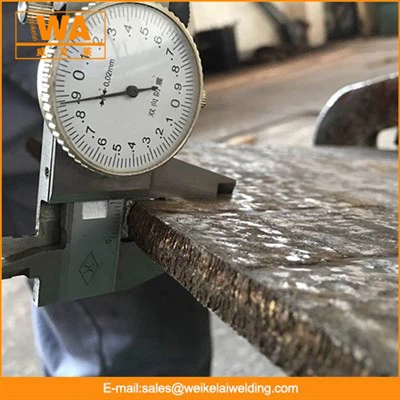
In our molds and dies, we use precision machinery to make sure the dimensions of the wear liners are exact. Even a small deviation can cause problems in the conveyor system. We measure and re - measure during the production process to catch any issues early on.
We also pay close attention to the temperature and pressure during the manufacturing process. Different materials have different optimal conditions for forming, and if these conditions aren't met, the quality of the wear liner can be compromised. For example, if the temperature is too high when molding a polymer liner, it might deform or develop internal stresses that could lead to premature failure.
Quality Testing
After the wear liners are manufactured, they go through a battery of tests. One of the most important tests is the abrasion test. We use specialized equipment to simulate the wear and tear that the liners will experience in a conveyor system. This helps us determine how long the liners will last under normal operating conditions.
We also conduct impact tests. We drop weights on the liners from different heights to see how well they can withstand sudden impacts. If a liner can't handle a certain level of impact, it's likely to crack or break in a real - world situation, which could lead to costly downtime.
Another crucial test is the chemical resistance test. In some conveyor applications, the wear liners may come into contact with various chemicals. We expose the liners to these chemicals for a set period of time and then check for any signs of degradation, such as discoloration, swelling, or loss of strength.
Visual Inspection
In addition to the technical tests, we also do a thorough visual inspection of each wear liner. We look for any surface defects like cracks, bubbles, or unevenness. Even a small surface defect can act as a starting point for further damage, so we make sure to catch and reject any liners with visible flaws.
Our inspectors are trained to have a keen eye for detail. They use magnifying glasses and other tools to get a closer look at the liners. We believe that a good visual inspection can catch a lot of potential problems that might not be detected by the technical tests alone.
Documentation and Traceability
We keep detailed records of every batch of wear liners we produce. This includes information about the materials used, the manufacturing process, and the test results. This documentation is important for a few reasons.
Firstly, it allows us to track the performance of our products over time. If we notice any issues with a particular batch, we can go back and look at the records to see what might have gone wrong. Secondly, it provides our customers with peace of mind. They can ask for the documentation and see exactly what went into making the wear liners they're buying.
Continuous Improvement
Quality control is not a one - time thing; it's an ongoing process. We're always looking for ways to improve our products and our quality control measures. We collect feedback from our customers and use it to make changes to our manufacturing process or material selection.

We also keep an eye on the latest research and developments in the field of wear protection. New materials and technologies are constantly being developed, and we want to be at the forefront of using these advancements to improve our conveyor wear liners.
Quality Control for Different Types of Liners
Let's talk a bit about the specific quality control measures for different types of conveyor wear liners.
Chute Wear Liners
Chute wear liners are used in chutes where materials are transferred from one part of the conveyor system to another. These liners need to be able to withstand high - velocity impacts and abrasion from the falling materials.
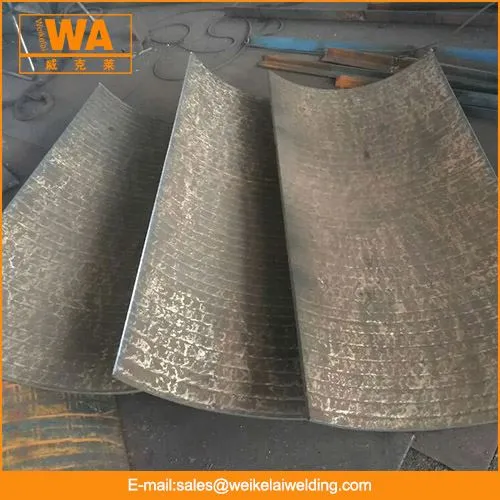
In addition to the standard quality control measures, we pay special attention to the shape and smoothness of chute wear liners. A rough or uneven surface can cause the materials to get stuck, leading to blockages in the chute. We use advanced machining techniques to ensure that the liners have a smooth finish and the right shape for optimal material flow.
Metallic Wear Liners
Metallic wear liners are often used in high - temperature or high - pressure applications. For these liners, we focus on the heat - treatment process. The right heat - treatment can improve the hardness, strength, and toughness of the metal.
We also test the metallic liners for their resistance to corrosion. In some industrial environments, the liners may be exposed to corrosive substances, and we want to make sure they can hold up over time.
Why Quality Control Matters
You might be wondering why all these quality control measures are so important. Well, first of all, high - quality conveyor wear liners can significantly extend the lifespan of your conveyor system. They reduce the need for frequent replacements, which saves you money in the long run.
Secondly, quality liners improve the efficiency of your conveyor system. They reduce friction, which means less energy is required to move the materials. This not only saves on energy costs but also reduces the wear and tear on other components of the conveyor system.
Finally, using high - quality wear liners can help you avoid costly downtime. A broken or worn - out liner can cause a conveyor system to shut down, which can disrupt your production process and lead to lost revenue.
Let's Talk Business
If you're in the market for high - quality conveyor wear liners, I'd love to have a chat with you. We've got a wide range of products that can meet your specific needs, and we're confident in the quality of what we offer. Whether you need Wear Protection Linings, Chute Wear Liners, or Metallic Wear Liners, we've got you covered.
So, don't hesitate to reach out and start a conversation about your conveyor wear liner requirements. Let's work together to find the best solutions for your conveyor system.
References
- ASM Handbook: Wear - Volume 18. ASM International.
- ASTM International Standards for Abrasion and Impact Testing of Wear Materials.
- Conveyor Equipment Manufacturers Association (CEMA) Guidelines for Conveyor Components.