

Bimetal wear plates are a crucial component in many industrial applications where resistance to wear, abrasion, and impact is required. As a leading supplier of these plates, I understand the significance of proper maintenance to ensure their longevity and optimal performance. In this blog post, I will delve into the maintenance requirements for bimetal wear plates, providing insights and guidelines based on our extensive experience in the industry.
Understanding Bimetal Wear Plates
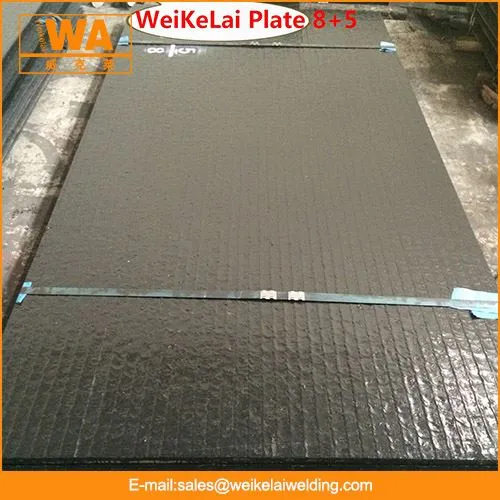
Before we discuss maintenance, it's essential to understand what bimetal wear plates are. These plates consist of two different metals bonded together, each contributing its unique properties to enhance the overall performance of the plate. The base layer typically provides strength and structural support, while the overlay layer offers high wear resistance. This combination makes bimetal wear plates an ideal choice for applications such as mining, cement production, steelmaking, and power generation.
There are various types of bimetal wear plates available, including Cladding Steel Plate, Hardfacing Processed Plate, Tungsten Carbide Plate, and Bimetallic Wear Resistant Material. Each type has its own characteristics and is suitable for specific applications. For example, tungsten carbide plates are known for their extreme hardness and excellent wear resistance, making them ideal for high-wear environments.
Maintenance Requirements
Regular Inspections
Regular inspections are the cornerstone of effective bimetal wear plate maintenance. Inspect the plates at scheduled intervals to detect any signs of wear, damage, or corrosion. Look for cracks, chips, or excessive wear on the surface of the plates. Pay particular attention to areas where the plates are subjected to high stress or impact, such as around bolt holes or in areas where material flow is concentrated.
Use non-destructive testing methods such as ultrasonic testing or magnetic particle inspection to detect internal defects that may not be visible to the naked eye. These methods can help identify hidden cracks or flaws in the plates, allowing you to take proactive measures before they lead to failure.
Cleaning
Keeping the bimetal wear plates clean is essential to prevent the accumulation of debris, dirt, and corrosive substances. Regularly clean the plates using a mild detergent and water. Avoid using abrasive cleaners or tools that may damage the surface of the plates.
For plates used in harsh environments, such as in the mining industry, it may be necessary to use specialized cleaning agents to remove stubborn contaminants. However, always test the cleaning agent on a small, inconspicuous area of the plate first to ensure that it does not cause any damage.
Lubrication
In some applications, lubrication may be required to reduce friction and wear between the bimetal wear plates and other components. Use a high-quality lubricant that is compatible with the materials of the plates and the operating environment. Apply the lubricant according to the manufacturer's recommendations.
Be careful not to over-lubricate the plates, as this can attract dirt and debris, leading to increased wear. Regularly check the lubricant level and replenish it as needed.
Tightening and Alignment
Periodically check the tightness of the bolts or fasteners used to secure the bimetal wear plates in place. Loose bolts can cause the plates to shift or vibrate, leading to accelerated wear and potential damage. Use a torque wrench to ensure that the bolts are tightened to the recommended specifications.

In addition to checking the tightness of the bolts, ensure that the plates are properly aligned. Misaligned plates can cause uneven wear and reduce the effectiveness of the wear protection. Use alignment tools or fixtures to ensure that the plates are installed correctly.
Surface Treatment
Depending on the application and the operating conditions, surface treatment may be necessary to extend the lifespan of the bimetal wear plates. Surface treatments such as hardening, coating, or nitriding can improve the wear resistance, corrosion resistance, and hardness of the plates.
Consult with a professional or the manufacturer of the plates to determine the most suitable surface treatment for your specific application. Follow the recommended procedures and guidelines for applying the surface treatment to ensure its effectiveness.
Replacement
Despite proper maintenance, bimetal wear plates will eventually reach the end of their useful life. It's important to monitor the wear of the plates closely and replace them when necessary. Signs that indicate the need for replacement include excessive wear, cracks, or damage that cannot be repaired.
When replacing the plates, ensure that you use high-quality replacement plates that are compatible with your equipment and application. Follow the manufacturer's installation instructions to ensure proper installation and performance.
Importance of Maintenance
Proper maintenance of bimetal wear plates offers several benefits. Firstly, it helps to extend the lifespan of the plates, reducing the frequency of replacement and saving costs in the long run. Secondly, it ensures the optimal performance of the plates, maintaining the efficiency and productivity of your equipment. Thirdly, it enhances the safety of your operations by preventing unexpected failures or breakdowns that could lead to accidents or injuries.
Conclusion
In conclusion, the maintenance of bimetal wear plates is a critical aspect of ensuring their longevity and performance. By following the maintenance requirements outlined in this blog post, you can maximize the lifespan of your plates, reduce downtime, and improve the efficiency of your operations.
If you are in the market for high-quality bimetal wear plates or need further assistance with maintenance, feel free to contact us for a consultation. We are committed to providing our customers with the best products and solutions to meet their specific needs.


