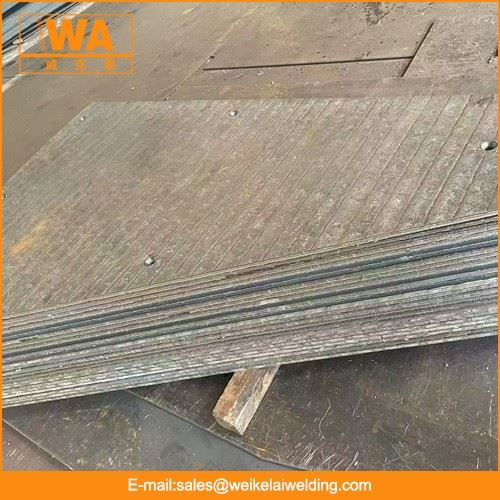
In the industrial realm, wear liners play a crucial role in protecting equipment from the harsh effects of abrasion, impact, and corrosion. As a wear liners supplier, I often encounter the question: Are there any standards for wear liners? This blog aims to delve into this topic and provide a comprehensive understanding of the standards associated with wear liners.
The Importance of Standards in Wear Liners
Standards serve as a benchmark for quality, performance, and safety in the manufacturing and use of wear liners. They ensure that the products meet certain requirements and specifications, which in turn guarantees their effectiveness and reliability. For industries that rely heavily on wear liners, such as mining, cement, and power generation, adhering to standards is essential for maintaining operational efficiency and minimizing downtime.
One of the primary benefits of standards is that they provide a common language and framework for manufacturers, suppliers, and end-users. This facilitates communication and collaboration, making it easier to compare different products and make informed decisions. Standards also help to ensure consistency in product quality, which is particularly important when dealing with large-scale projects or when replacing worn-out liners.
Existing Standards for Wear Liners
There are several national and international standards that govern the manufacture and use of wear liners. These standards cover a wide range of aspects, including material composition, mechanical properties, dimensional tolerances, and testing methods. Some of the most well-known standards include:
- ASTM Standards: The American Society for Testing and Materials (ASTM) has developed a series of standards for wear liners, covering various materials such as metals, ceramics, and polymers. These standards provide detailed specifications for material properties, manufacturing processes, and testing methods.
- ISO Standards: The International Organization for Standardization (ISO) also has standards related to wear liners, which are recognized globally. ISO standards focus on aspects such as safety, performance, and environmental impact, ensuring that wear liners meet the highest levels of quality and reliability.
- Industry-Specific Standards: In addition to the general standards, many industries have their own specific standards for wear liners. For example, the mining industry may have standards for liner thickness, hardness, and impact resistance to ensure optimal performance in harsh mining environments.
Material Standards
The material used in wear liners is one of the most critical factors affecting their performance. Different materials have different properties, such as hardness, toughness, and corrosion resistance, which determine their suitability for specific applications. As a wear liners supplier, we closely follow the material standards set by relevant organizations.
For Metallic Wear Liners, standards specify the chemical composition, mechanical properties, and heat treatment requirements. For instance, chromium alloy steels are commonly used in applications where high hardness and wear resistance are required. The Chromium Alloy Steel Mill Liners must meet strict standards regarding the percentage of chromium, carbon, and other alloying elements, as well as the hardness and toughness values.
Ceramic wear liners, on the other hand, are known for their excellent hardness and chemical resistance. Standards for ceramic liners cover aspects such as density, porosity, and flexural strength. These standards ensure that the ceramic liners can withstand the high stresses and abrasive conditions in industrial applications.
Dimensional and Tolerance Standards
Accurate dimensions and tight tolerances are essential for the proper functioning of wear liners. Dimensional standards specify the size, shape, and surface finish of the liners, ensuring that they fit precisely into the equipment they are intended for. Tolerance standards define the acceptable deviations from the specified dimensions, which are crucial for maintaining the quality and performance of the wear liners.
For example, in the case of Conveyor Wear Liners and Chute Wear Liners, precise dimensions are necessary to ensure a proper fit and prevent material leakage. Any deviation from the specified dimensions can lead to increased wear, reduced efficiency, and potential safety hazards.
Testing and Certification Standards
Testing is an integral part of ensuring the quality and performance of wear liners. Standards define the testing methods and procedures that should be used to evaluate the properties of the liners, such as hardness, wear resistance, and impact resistance. These tests help to verify that the liners meet the specified requirements and can withstand the intended operating conditions.
Certification is another important aspect of standards. Manufacturers may obtain certifications from recognized organizations to demonstrate that their wear liners comply with the relevant standards. This provides assurance to customers that the products they are purchasing are of high quality and have been thoroughly tested.
Custom Standards and Tailored Solutions
While there are established standards for wear liners, every industrial application is unique, and sometimes standard solutions may not fully meet the specific requirements of a particular project. As a wear liners supplier, we understand the importance of providing custom solutions tailored to the specific needs of our customers.
We work closely with our clients to understand their operational requirements, including the type of material being handled, the operating environment, and the expected service life of the wear liners. Based on this information, we can develop custom wear liners that meet or exceed the standard requirements while providing optimal performance and durability.
The Role of a Reliable Wear Liners Supplier
In the market, there are numerous wear liners suppliers, but choosing a reliable one is crucial for obtaining high-quality products that meet the necessary standards. A reputable supplier should have a deep understanding of the industry standards and be committed to producing wear liners that comply with these standards.
At our company, we have a team of experienced engineers and technicians who are well-versed in the latest standards and technologies in the field of wear liners. We use state-of-the-art manufacturing processes and equipment to ensure the consistent quality of our products. We also conduct rigorous quality control checks at every stage of the production process to guarantee that our wear liners meet or exceed the industry standards.
Conclusion
In conclusion, there are indeed standards for wear liners, and these standards play a vital role in ensuring the quality, performance, and safety of the products. From material composition and dimensional tolerances to testing and certification, standards cover every aspect of wear liner manufacturing and use. As a wear liners supplier, we are committed to adhering to these standards and providing our customers with the best possible solutions.
If you are in the market for high-quality wear liners, whether it's Metallic Wear Liners, Chromium Alloy Steel Mill Liners, Wear Protection Linings, Conveyor Wear Liners, or Chute Wear Liners, we invite you to contact us for a consultation. Our team of experts will be happy to discuss your specific requirements and provide you with the most suitable and cost-effective solutions.