Hey there! I'm a supplier of Cco Abrasion Pipe, and today I wanna talk about how to apply corrosion-resistant coatings on these pipes. Corrosion is a real pain in the neck for pipes, especially those in tough conditions where abrasion and corrosion team up to cause damage. Applying the right corrosion-resistant coating can significantly extend the lifespan of Cco Abrasion Pipe and keep it working efficiently.
First off, let's understand why corrosion protection is so crucial. Cco Abrasion Pipe is often used in industries like mining, power generation, and chemical processing. In these environments, pipes are exposed to all sorts of harsh substances, including abrasive particles and corrosive chemicals. Without proper protection, corrosion can eat away at the pipe walls, leading to leaks, reduced flow capacity, and even complete pipe failure. And that's not just bad for the pipes; it can also cause costly downtime and maintenance issues.
Now, let's get into the nitty-gritty of applying corrosion-resistant coatings. The process can be broken down into a few key steps, and each one is super important for getting the best results.
Surface Preparation
Before applying any coating, the surface of the Cco Abrasion Pipe needs to be properly prepared. This is like setting the foundation for a house; if you don't do it right, the whole thing might come crashing down.
The first step in surface preparation is cleaning. You gotta get rid of all the dirt, grease, rust, and other contaminants on the pipe surface. There are a few ways to do this. One common method is grit blasting. It's like sandblasting, but with a special type of grit. The grit is blasted onto the pipe surface at high speed, which knocks off all the unwanted stuff and creates a rough surface. This rough surface helps the coating stick better.
Another option is chemical cleaning. You use special chemicals to dissolve the contaminants. But be careful with this one; some chemicals can be pretty harsh, and you gotta make sure to follow all the safety instructions.
After cleaning, you might also need to do some profiling. Profiling is all about adjusting the roughness of the surface to a specific level. Different coatings work best with different surface roughnesses, so you gotta get it just right. There are tools to measure the surface roughness, and you can use them to make sure you're on track.
Coating Selection
Once the surface is ready, it's time to choose the right coating. There are a bunch of different types of corrosion-resistant coatings out there, and each one has its own pros and cons.
Epoxy coatings are a popular choice. They're tough as nails and can withstand a lot of wear and tear. Epoxy coatings also have good adhesion to the pipe surface, which means they stick well and don't peel off easily. They're great for pipes that are exposed to both abrasion and corrosion. You can find more about different pipe solutions like Hardfacing Abrasion Elbows and Hardfacing Abrasion Pipe on our website.
Polyurethane coatings are another option. They're really flexible and can resist a wide range of chemicals. Polyurethane coatings also have a nice finish, which can make the pipes look good. They're often used in applications where the appearance matters, like in some architectural or decorative pipework.
Fluoropolymer coatings are known for their excellent chemical resistance. They can handle some of the most aggressive chemicals out there. Fluoropolymer coatings are also very smooth, which can reduce the friction inside the pipe and improve the flow of fluids.

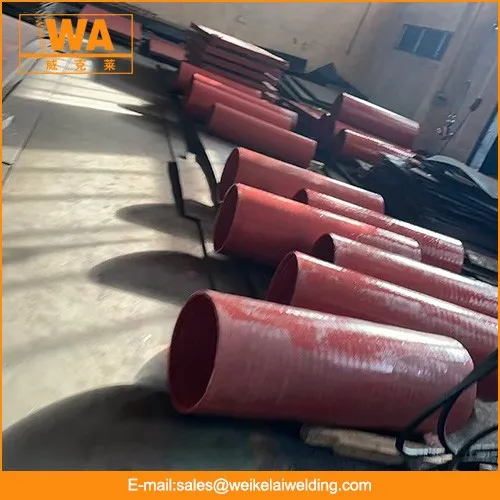
When choosing a coating, you gotta consider a few things. First, think about the environment the pipe will be in. What kind of chemicals will it be exposed to? How much abrasion will it face? You also gotta think about the temperature and humidity of the environment. Some coatings work better in hot and humid conditions, while others are more suitable for cold and dry environments.
Coating Application
Once you've chosen the right coating, it's time to apply it to the pipe. There are a few different methods for coating application, and the one you choose depends on the type of coating and the size and shape of the pipe.
Spraying is a common method. You use a spray gun to apply the coating evenly over the pipe surface. Spraying is great because it can cover large areas quickly and easily. But you gotta be careful with the spray pattern and the thickness of the coating. You don't want it to be too thick in some areas and too thin in others.
Dipping is another option. You dip the pipe into a tank filled with the coating. This method is good for getting a uniform coating thickness, especially for small pipes. But you gotta make sure the coating is well-mixed in the tank, or you might end up with an uneven coating.
Brushing is a more hands-on method. You use a brush to apply the coating to the pipe surface. This method is great for getting into hard-to-reach areas, like around joints and seams. But it can be time-consuming, especially for large pipes.
Curing and Inspection
After applying the coating, it needs to cure. Curing is the process where the coating hardens and forms a tough, protective layer. The curing time depends on the type of coating and the environmental conditions. Some coatings cure at room temperature, while others need to be heated.
Once the coating is cured, it's time for inspection. You gotta make sure the coating is applied correctly and that there are no defects. You can use visual inspection to look for any obvious problems, like cracks, bubbles, or uneven thickness. You can also use non-destructive testing methods, like ultrasonic testing or magnetic particle testing, to check for any hidden defects.
Maintenance and Monitoring
Applying a corrosion-resistant coating is not a one-and-done thing. You also need to do some maintenance and monitoring to make sure the coating stays in good condition.
Regular cleaning is important. You should clean the pipes periodically to remove any dirt, debris, or chemicals that might have accumulated on the coating surface. This can help prevent the coating from getting damaged.
You also need to monitor the coating for any signs of wear or damage. If you notice any problems, like peeling, cracking, or corrosion under the coating, you need to take action right away. You might need to repair or recoat the affected areas.
In conclusion, applying corrosion-resistant coatings on Cco Abrasion Pipe is a multi-step process that requires careful planning and execution. By following these steps, you can ensure that your pipes are well-protected against corrosion and abrasion, and that they have a long and productive lifespan.
If you're in the market for Cco Abrasion Pipe or other related products like Wear Resistant Straight Pipe, Cco Abrasion Pipe, and Bent Cladding Pipe, don't hesitate to reach out for a detailed discussion on your specific needs. We're here to help you find the best solutions for your projects.