

As a supplier of Conveyor Wear Liners, I've witnessed firsthand the critical role these components play in the smooth operation of conveyor systems across various industries. One aspect that often goes under - the radar but is of utmost importance is the heat - dissipation properties of conveyor wear liners. In this blog, we'll delve into what these heat - dissipation properties are, why they matter, and how our products at [Our Company] excel in this regard.
Understanding Heat Generation in Conveyor Systems
Before we can understand the heat - dissipation properties of conveyor wear liners, it's essential to know where the heat comes from in conveyor systems. There are multiple sources of heat generation. Firstly, friction is a major culprit. As the conveyor belt moves over the wear liners, there is constant rubbing, which generates heat. The speed of the conveyor, the weight of the materials being transported, and the nature of the contact between the belt and the liner all contribute to the amount of frictional heat produced.
Secondly, the materials being conveyed can also be a source of heat. For example, in industries such as mining or steel production, the conveyed materials may be hot when they are loaded onto the conveyor. These hot materials transfer their heat to the conveyor belt and the wear liners, increasing the overall temperature of the system.
Why Heat Dissipation is Crucial
Excessive heat in a conveyor system can lead to a host of problems. One of the most significant issues is the degradation of the conveyor belt and the wear liners themselves. High temperatures can cause the materials of the wear liners to expand, which may lead to warping or cracking. This not only reduces the lifespan of the wear liners but also affects the performance of the conveyor system. A damaged wear liner can cause uneven movement of the conveyor belt, leading to increased wear and tear on the belt and other components of the system.
Moreover, heat can also impact the quality of the materials being conveyed. In some industries, such as food processing or pharmaceuticals, maintaining a specific temperature is crucial for product quality. Excessive heat in the conveyor system can compromise the integrity of these products, leading to waste and potential safety issues.
Heat - Dissipation Properties of Conveyor Wear Liners
The heat - dissipation properties of conveyor wear liners refer to their ability to transfer heat away from the conveyor system effectively. This involves several key factors:
Material Conductivity
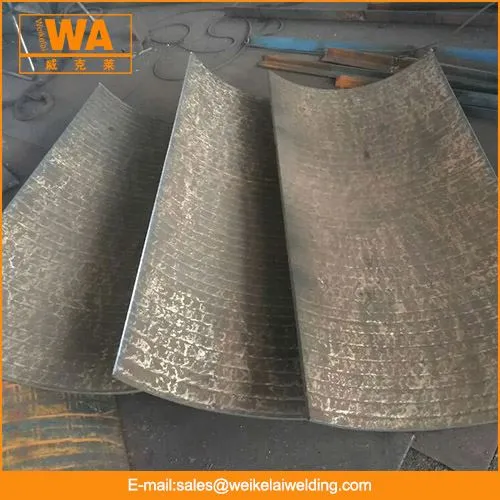
The choice of material for the wear liner plays a vital role in its heat - dissipation capabilities. Materials with high thermal conductivity, such as metals, are generally better at transferring heat. Metallic Wear Liners are a popular choice in many industrial applications because they can quickly conduct heat away from the conveyor belt and the conveyed materials. For example, aluminum has relatively high thermal conductivity, which allows it to dissipate heat rapidly.
On the other hand, some non - metallic materials like certain types of polymers may have lower thermal conductivity. However, they can still be engineered to have good heat - dissipation properties through the addition of fillers or other additives. These additives can enhance the material's ability to transfer heat, making them suitable for applications where corrosion resistance or low friction is also required.
Surface Area
The surface area of the wear liner also affects its heat - dissipation properties. A larger surface area provides more space for heat to be transferred to the surrounding environment. Wear liners with fins or other surface features can increase the effective surface area, improving heat transfer. These features create more contact points between the wear liner and the air, allowing heat to be dissipated more efficiently.
Design and Installation
The design and installation of the wear liner can also impact heat dissipation. A well - designed wear liner should allow for proper air circulation around it. For example, a liner that is installed with a gap between it and the conveyor frame can allow air to flow freely, carrying away heat. Additionally, the orientation of the wear liner can also affect heat transfer. A liner that is installed in a way that maximizes exposure to the air will generally have better heat - dissipation performance.
Our Conveyor Wear Liners and Heat Dissipation
At [Our Company], we offer a wide range of Conveyor Wear Liners that are designed with excellent heat - dissipation properties. Our Metallic Wear Liners are made from high - quality metals with superior thermal conductivity. We use advanced manufacturing techniques to ensure that these liners have a uniform thickness and a smooth surface, which not only enhances their wear resistance but also improves heat transfer.
For applications where non - metallic materials are preferred, we have developed innovative Wear Protection Linings that incorporate special additives to improve their heat - dissipation capabilities. These liners are also designed with surface features to increase the surface area and promote better air circulation.
In addition to the material and design, we also provide professional installation services. Our team of experts will ensure that the wear liners are installed correctly, with proper spacing and orientation to maximize heat dissipation. We understand that every conveyor system is unique, and we work closely with our customers to provide customized solutions that meet their specific heat - dissipation requirements.
The Impact of Heat Dissipation on Cost - Efficiency
Investing in conveyor wear liners with good heat - dissipation properties can lead to significant cost savings in the long run. By reducing the temperature of the conveyor system, these liners can extend the lifespan of the conveyor belt and other components. This means less frequent replacement of parts, which reduces maintenance costs and downtime.
Moreover, better heat dissipation can also improve the energy efficiency of the conveyor system. When the temperature is kept under control, the conveyor motor doesn't have to work as hard to move the belt, which can result in lower energy consumption. This is not only beneficial for the environment but also for the bottom line of the business.

Conclusion
The heat - dissipation properties of conveyor wear liners are a critical factor in the performance and longevity of conveyor systems. Understanding these properties and choosing the right wear liners can help businesses avoid costly problems such as component degradation, product quality issues, and high energy consumption.
As a leading supplier of Conveyor Wear Liners, we are committed to providing our customers with high - quality products that offer excellent heat - dissipation capabilities. Whether you are in the mining, food processing, or any other industry that relies on conveyor systems, we have the expertise and the products to meet your needs.
If you are interested in learning more about our conveyor wear liners and how they can improve the heat - dissipation performance of your conveyor system, please feel free to contact us for a consultation. We look forward to working with you to find the best solutions for your business.
References
- [List of relevant industry research papers, if any]
- [Manufacturer's specifications for conveyor wear liners]





