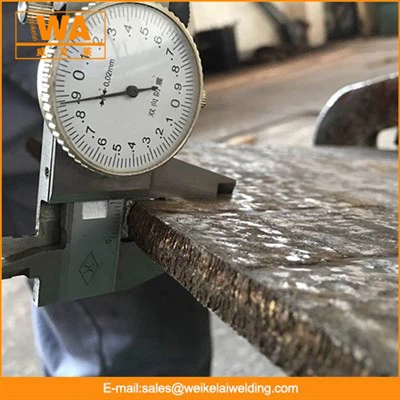
As a seasoned supplier of chute wear liners, I've witnessed firsthand the costly consequences of improper installation. Chute wear liners are crucial components in industries where bulk materials are transported, protecting chutes from abrasion, impact, and corrosion. However, even the highest - quality liners can fail to perform if not installed correctly. In this blog, I'll share some common installation mistakes to avoid to ensure the longevity and effectiveness of your chute wear liners.
1. Inadequate Surface Preparation
One of the most common mistakes is neglecting proper surface preparation. Before installing chute wear liners, the chute surface must be clean, dry, and free of any contaminants such as grease, oil, rust, or loose debris. A dirty or uneven surface can prevent the liner from adhering properly, leading to premature failure.
To prepare the surface, start by thoroughly cleaning the chute using a suitable solvent or degreaser. Then, use a wire brush or sandblaster to remove any rust or scale. The surface should be roughened to provide better adhesion for the liner. A smooth surface may cause the liner to slip or detach over time. After cleaning and roughening, make sure to wipe the surface dry to prevent moisture from interfering with the bonding process.
2. Incorrect Liner Selection
Selecting the wrong type of chute wear liner for your application is a significant error. Different industries and materials require specific liner materials to withstand the unique challenges they face. For example, if you're handling abrasive materials like coal or ore, you'll need a liner with high abrasion resistance. On the other hand, if your application involves high - impact materials, a liner with good impact resistance is essential.
As a supplier, we offer a wide range of chute wear liners, including Metallic Wear Liners. These liners are made from high - quality metals and are designed to provide excellent abrasion and impact resistance. We also have Wear Protection Linings, which are suitable for various applications and offer superior protection against wear and corrosion. Another option is Chromium Alloy Steel Mill Liners, which are ideal for use in mills and other high - stress environments.
3. Poor Installation Alignment
Proper alignment is crucial when installing chute wear liners. Misaligned liners can cause gaps between the liner segments, allowing material to leak through and causing premature wear. To ensure proper alignment, use a straightedge or laser level to mark the installation area. Make sure the liner segments are positioned correctly and that the joints are tight.

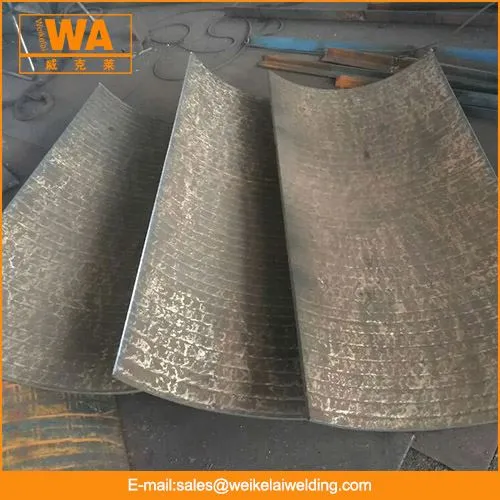
During installation, it's also important to check the alignment regularly. If the liners are not aligned properly, they may not fit together correctly, leading to uneven wear and potential failure. Additionally, misaligned liners can cause stress concentrations, which can further damage the liners and the chute itself.
4. Improper Fastening
Using the wrong type of fasteners or improper fastening techniques can also lead to installation problems. Fasteners should be selected based on the type of liner and the application. For example, if you're using a metallic liner, you'll need fasteners that are compatible with the metal and can withstand the forces involved.
When installing the fasteners, make sure they are tightened to the correct torque. Over - tightening the fasteners can damage the liner, while under - tightening can cause the liner to loosen over time. It's also important to ensure that the fasteners are evenly spaced to distribute the load evenly across the liner.
5. Ignoring Expansion and Contraction
Chute wear liners are subject to temperature changes, which can cause them to expand and contract. Ignoring these thermal movements can lead to liner failure. To accommodate expansion and contraction, leave a small gap between the liner segments. The size of the gap will depend on the type of liner material and the expected temperature range.
It's also important to consider the installation method in relation to thermal expansion. For example, if the liner is installed using a bonding method, the adhesive should be able to withstand the thermal movements without losing its bond.
6. Lack of Quality Control
Quality control is essential during the installation process. Failing to inspect the liners and the installation work can result in hidden defects that may lead to premature failure. Before installation, carefully inspect the liners for any damage or defects. During installation, check the alignment, fastening, and joint integrity regularly.
After installation, conduct a final inspection to ensure that the liners are installed correctly and that there are no visible signs of damage or misalignment. This will help to identify any potential problems early on and allow for corrective action to be taken.
7. Insufficient Training
Installing chute wear liners requires specialized knowledge and skills. If the installation team is not properly trained, they may make mistakes that can compromise the performance of the liners. It's important to provide comprehensive training to the installation team on the proper installation procedures, including surface preparation, liner selection, alignment, fastening, and quality control.
Training should also include safety procedures to ensure that the installation work is carried out safely. A well - trained installation team can help to ensure that the chute wear liners are installed correctly and that they perform as expected.
Contact for Purchase and Consultation
Avoiding these common installation mistakes is crucial for the successful performance of chute wear liners. As a leading supplier of chute wear liners, we are committed to providing high - quality products and expert advice. If you're in need of chute wear liners or have any questions about installation, please don't hesitate to contact us. We'll be happy to assist you in selecting the right liners for your application and ensuring a proper installation.
References
Manufacturer's guidelines for chute wear liners installation.
- Industry best practices for chute wear liner installation.