Hey there! As a supplier of Alloy Steel Plates, I often get asked about the common grades of these plates. Alloy steel plates are super versatile and used in all sorts of industries, from construction to manufacturing. So, let's dive right into the nitty - gritty of the common grades.
A36 Alloy Steel Plate
First up, we've got the A36 alloy steel plate. It's like the go - to guy in the world of steel plates. This grade is widely used because it's so affordable and easy to work with. A36 has a relatively low carbon content, which makes it ductile and weldable. You can cut it, bend it, and shape it into whatever you need without too much hassle.
In construction, A36 plates are used for building frames, bridges, and even in some machinery parts. The reason is its good strength - to - cost ratio. If you're on a budget but still need a reliable steel plate, A36 is your best bet. You can find more about our Alloy Steel Plate options on our website.
4130 Alloy Steel Plate
Next is the 4130 alloy steel plate. This one is a bit more high - performance compared to A36. It contains chromium and molybdenum, which gives it excellent strength and toughness. The chromium helps with corrosion resistance, while the molybdenum enhances the hardenability of the steel.
4130 is commonly used in the aerospace and automotive industries. In aerospace, it's used for making aircraft parts like landing gear and structural components. In the automotive world, you'll find it in race cars, especially in roll cages and suspension parts. The high strength - to - weight ratio of 4130 makes it perfect for applications where weight is a concern but strength is crucial.
4340 Alloy Steel Plate
The 4340 alloy steel plate is another heavy - hitter. It's a nickel - chromium - molybdenum alloy, which means it has some serious strength. This grade can be heat - treated to achieve very high levels of hardness and toughness.
You'll often see 4340 in the defense and heavy machinery industries. For example, it's used in the manufacturing of tank parts and high - stress gears. The ability to withstand extreme stress and wear makes it a top choice for these demanding applications. If you're in need of a steel plate that can take a beating, 4340 might be the one for you. Check out our website for more details on our Alloy Steel Plate offerings.
AR400 and AR500 Alloy Steel Plates
Now, let's talk about the AR400 and AR500 alloy steel plates. These are wear - resistant steels. The "AR" stands for abrasion - resistant.
AR400 has a Brinell hardness of around 400, which means it can resist wear from abrasion, impact, and sliding. It's commonly used in mining equipment, such as conveyor belts and chute liners. AR500, on the other hand, is even harder with a Brinell hardness of around 500. It's used in more extreme wear applications, like in the construction of earth - moving equipment buckets.
If you're dealing with a situation where your equipment is constantly exposed to wear and tear, our Smooth Wear Plate options, including AR400 and AR500, can be a great solution.
Chromium Carbide Coated Alloy Steel Plates
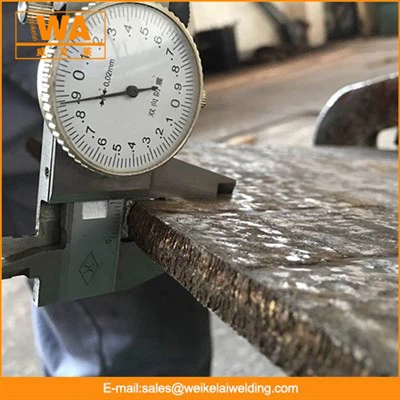
We also offer Chromium Carbide Coating on some of our alloy steel plates. Chromium carbide is an extremely hard material that provides excellent wear resistance. When applied as a coating on a steel plate, it can significantly extend the lifespan of the plate in abrasive environments.
These coated plates are used in industries like cement production, where there's a lot of abrasive dust and materials. The coating acts as a shield, protecting the underlying steel from wear and corrosion. It's a cost - effective way to enhance the performance of your equipment.
Choosing the Right Grade
So, how do you choose the right grade of alloy steel plate for your project? Well, it all depends on your specific requirements. If you're on a tight budget and need a general - purpose plate, A36 might be the way to go. But if you're in a high - stress or wear - prone environment, grades like 4340, AR500, or a chromium - carbide - coated plate could be better choices.
Think about the type of loads your plate will be subjected to, the environment it will be in (whether it's corrosive, abrasive, or high - temperature), and your budget. If you're not sure, don't hesitate to reach out to us. We've got a team of experts who can help you make the right decision.
Why Choose Us as Your Supplier
As an alloy steel plate supplier, we pride ourselves on providing high - quality products. We source our materials from reliable manufacturers and conduct strict quality control checks. Our plates are cut, shaped, and processed to meet your exact specifications.
We also offer competitive pricing and fast delivery. Whether you need a small quantity for a prototype or a large order for a big project, we can handle it. And if you have any special requirements, like custom coatings or specific dimensions, we're more than happy to work with you to make it happen.


Let's Talk Business
If you're in the market for alloy steel plates, we'd love to have a chat with you. Whether you're just starting to research your options or you're ready to place an order, we're here to help. You can visit our website Alloy Steel Plate to learn more about our products and services.
Get in touch with us, and let's discuss how we can meet your alloy steel plate needs. We're confident that we can provide you with the right solution at the right price.
References
- ASM Handbook Committee. (2004). ASM Handbook, Volume 1: Properties and Selection: Irons, Steels, and High - Performance Alloys. ASM International.
- Metals Handbook Committee. (1990). Metals Handbook, Volume 1: Properties and Selection: Irons, Steels, and High - Performance Alloys. American Society for Metals.