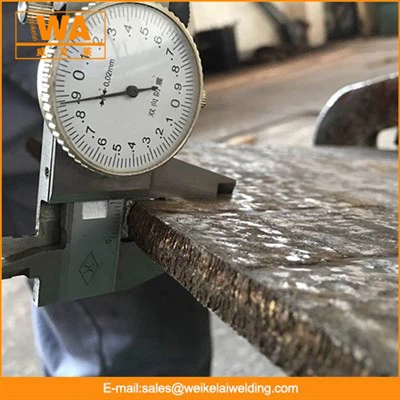
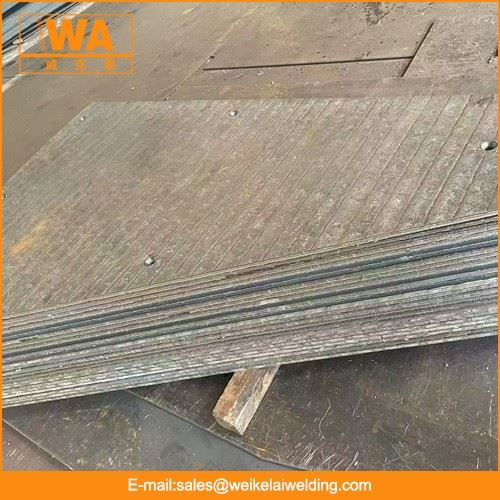
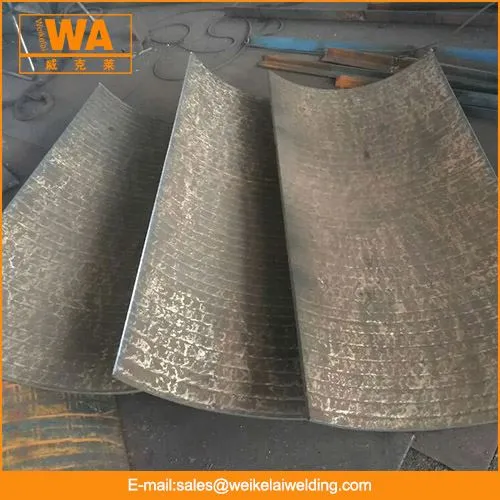
Metallic wear liners are essential components in various industrial applications, offering protection against abrasion, erosion, and impact. One of the critical aspects that determine their performance and longevity is their chemical stability. In this blog post, I'll delve into the chemical stability properties of metallic wear liners, drawing on my experience as a supplier of these products.
Understanding Chemical Stability in Metallic Wear Liners
Chemical stability refers to the ability of a material to resist chemical reactions under specific environmental conditions. For metallic wear liners, this means withstanding corrosion, oxidation, and chemical attacks from substances they come into contact with during their service life. A liner with high chemical stability will maintain its structural integrity and performance over time, reducing the need for frequent replacements and minimizing downtime in industrial operations.
Factors Affecting Chemical Stability
1. Alloy Composition
The alloy composition of metallic wear liners plays a crucial role in determining their chemical stability. Different metals and elements are added to the base metal to enhance specific properties. For example, chromium is often added to steel wear liners to form a passive oxide layer on the surface, which provides excellent resistance to corrosion. Nickel can also improve corrosion resistance, especially in environments containing acids or alkalis. Molybdenum is another element that can enhance the pitting and crevice corrosion resistance of alloys.
2. Surface Finish
The surface finish of metallic wear liners can significantly impact their chemical stability. A smooth surface finish reduces the likelihood of debris and contaminants adhering to the liner, which can otherwise initiate corrosion or chemical reactions. Additionally, a polished surface can help to maintain the integrity of the passive oxide layer on the metal surface, further enhancing its corrosion resistance.
3. Environmental Conditions
The environmental conditions in which metallic wear liners operate have a profound effect on their chemical stability. Exposure to moisture, oxygen, acids, alkalis, and other chemicals can accelerate corrosion and chemical degradation. For instance, in a mining environment, wear liners may be exposed to abrasive minerals, water, and acidic or alkaline solutions, which can all contribute to corrosion. In a food processing plant, the liners may need to resist the effects of cleaning agents and food acids.
Types of Chemical Reactions and Their Impact
1. Corrosion
Corrosion is one of the most common chemical reactions that metallic wear liners face. It occurs when the metal reacts with its environment, resulting in the gradual deterioration of the material. There are several types of corrosion, including uniform corrosion, pitting corrosion, crevice corrosion, and stress corrosion cracking. Uniform corrosion is the most straightforward type, where the entire surface of the metal is corroded at a relatively even rate. Pitting corrosion, on the other hand, results in the formation of small pits or holes on the metal surface, which can lead to premature failure of the liner. Crevice corrosion occurs in narrow gaps or crevices, where the local environment can become highly corrosive. Stress corrosion cracking is a combination of mechanical stress and corrosion, which can cause sudden and catastrophic failure of the liner.
2. Oxidation
Oxidation is a chemical reaction in which the metal reacts with oxygen to form metal oxides. This process can occur at high temperatures or in the presence of oxygen-rich environments. Oxidation can lead to the formation of a scale on the surface of the metal, which can reduce its wear resistance and cause dimensional changes. In some cases, the oxide layer can provide a certain degree of protection against further oxidation, but if the layer is not stable or continuous, it can spall off, exposing the underlying metal to further attack.
3. Chemical Attack
Metallic wear liners may also be subjected to chemical attack from various substances, such as acids, alkalis, and salts. These chemicals can react with the metal, causing it to dissolve or form new compounds. For example, hydrochloric acid can react with iron to form iron chloride, which can lead to the rapid corrosion of steel wear liners. The severity of chemical attack depends on the concentration and type of the chemical, as well as the alloy composition of the liner.
Applications and Chemical Stability Requirements
1. Chute Wear Liners
Chute wear liners are used in industries such as mining, cement, and power generation to protect chutes and hoppers from abrasion and impact. In these applications, the liners may be exposed to abrasive materials, dust, and moisture. Chemical stability is crucial to prevent corrosion and ensure the long-term performance of the liners. For example, in a mining chute where the material being transported contains sulfuric acid, the wear liners need to be resistant to acid corrosion.
2. Conveyor Wear Liners
Conveyor wear liners are installed on conveyor belts and pulleys to protect them from wear and tear. These liners may come into contact with various materials, including chemicals, oils, and greases. Chemical stability is essential to prevent the liners from deteriorating due to chemical reactions. In a food processing conveyor, for example, the liners need to be resistant to food acids and cleaning agents to ensure food safety and compliance with regulations.
3. Wear Protection Linings
Wear protection linings are used in a wide range of applications, including tanks, pipes, and vessels, to protect them from abrasion, erosion, and chemical attack. The chemical stability requirements for these linings depend on the specific application and the substances they will be exposed to. In a chemical storage tank, for instance, the lining needs to be highly resistant to the chemicals being stored to prevent leakage and contamination.
Ensuring Chemical Stability in Metallic Wear Liners
As a supplier of metallic wear liners, we take several measures to ensure the chemical stability of our products.
1. Material Selection
We carefully select the alloy composition of our wear liners based on the specific application and the environmental conditions they will be exposed to. For example, for applications in highly corrosive environments, we may recommend stainless steel or nickel-based alloys.
2. Quality Control
We have a strict quality control system in place to ensure that our wear liners meet the highest standards of chemical stability. This includes testing the materials for corrosion resistance, oxidation resistance, and chemical compatibility before they are used in production.
3. Surface Treatment
We offer various surface treatments for our wear liners to enhance their chemical stability. These treatments can include passivation, coating, and plating, which can help to improve the corrosion resistance and reduce the risk of chemical attack.
Conclusion
The chemical stability properties of metallic wear liners are crucial for their performance and longevity in various industrial applications. By understanding the factors that affect chemical stability, the types of chemical reactions that can occur, and the specific requirements of different applications, we can provide our customers with high-quality wear liners that are resistant to corrosion, oxidation, and chemical attack.
If you are in need of metallic wear liners for your industrial application, I encourage you to contact us to discuss your specific requirements. Our team of experts can help you select the right wear liners based on the chemical stability properties and other factors to ensure optimal performance and long-term durability.
References
- Jones, D. A. (1992). Principles and Prevention of Corrosion. Prentice Hall.
- Uhlig, H. H., & Revie, R. W. (1985). Corrosion and Corrosion Control: An Introduction to Corrosion Science and Engineering. Wiley.
- Fontana, M. G. (1986). Corrosion Engineering. McGraw-Hill.