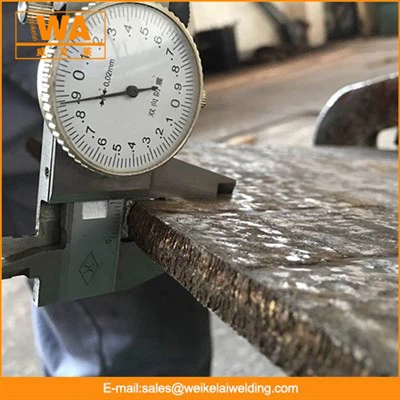
Wear resistant alloys have become a game - changer in the textile industry. As a supplier of wear resistant alloys, I've seen firsthand how these materials are revolutionizing the way textile manufacturers operate. In this blog, I'll dive into the various applications of wear resistant alloys in the textile industry and why they're so crucial.
1. Spinning and Twisting Machines
Spinning and twisting are fundamental processes in textile production. In these machines, there are numerous components that are subject to high levels of friction and wear. For instance, the spindles, which rotate at high speeds to spin the fibers into yarn, experience a great deal of stress. Wear resistant alloys can be used to make these spindles. Alloys with high hardness and low friction coefficients can significantly reduce the wear on the spindles, increasing their lifespan. This means less frequent replacement, which saves both time and money for textile manufacturers.
Another important part of spinning and twisting machines is the flyer. The flyer guides the yarn during the twisting process. When made from wear resistant alloys, it can withstand the constant contact with the yarn without getting worn out quickly. This ensures a consistent and high - quality twisting process, resulting in better - quality yarn.
2. Loom Components
Loom is the heart of the weaving process. There are several key components in a loom that benefit from wear resistant alloys. The reed, for example, is used to separate the warp threads and beat the weft thread into place. It is constantly in contact with the threads, and over time, normal materials can wear down. By using wear resistant alloys like the Chromium Carbide Plate, the reed can maintain its shape and function for a much longer period. This leads to more precise weaving and fewer defects in the fabric.
The heddles, which control the movement of the warp threads, also experience a lot of wear. They are constantly moving up and down as the loom operates. Wear resistant alloys can be used to make heddles that are more durable and resistant to abrasion. This helps in achieving a smoother and more efficient weaving process.
3. Cutting and Sewing Equipment
In the textile industry, cutting and sewing are essential steps in transforming fabric into finished products. Cutting blades are one of the most critical parts of cutting equipment. When cutting through multiple layers of fabric, the blades can quickly become dull if they're not made from the right material. Wear resistant alloys can be used to make cutting blades that stay sharp for longer. This not only improves the cutting efficiency but also ensures clean and precise cuts, which is crucial for high - quality textile products.
Sewing machines also have components that require wear resistance. The needles, for example, penetrate the fabric repeatedly. Using wear resistant alloys in needle production can prevent the needles from bending or breaking easily. This reduces the downtime caused by needle changes and improves the overall sewing quality.
4. Conveyor Systems
Textile factories often use conveyor systems to move raw materials, semi - finished products, and finished goods around the facility. The belts and rollers in these conveyor systems are in constant contact with the textile materials. Over time, the friction can cause wear on these components. Wear resistant alloys can be used to coat the rollers or make the belt components. For example, the CCO Wear Plate can be used to line the conveyor belts, protecting them from abrasion. This extends the lifespan of the conveyor system and reduces maintenance costs.


5. Dyeing and Finishing Equipment
In the dyeing and finishing processes, there are many components that come into contact with chemicals and high - temperature environments. For example, the rollers in dyeing machines are constantly exposed to dyes and chemicals. Wear resistant alloys can be used to make these rollers more resistant to corrosion and wear. This ensures that the rollers maintain their smooth surface, which is essential for even dyeing and finishing of the textile products.
The nozzles used in spraying processes also benefit from wear resistant alloys. These nozzles need to maintain a consistent spray pattern, and any wear can affect the quality of the dyeing or finishing. By using wear resistant alloys, the nozzles can last longer and provide a more reliable performance.
Why Choose Our Wear Resistant Alloys?
As a supplier of wear resistant alloys, we offer a wide range of products that are tailored to the specific needs of the textile industry. Our alloys are made using the latest manufacturing techniques, ensuring high - quality and consistent performance. We understand the unique challenges faced by textile manufacturers, and our products are designed to address those challenges.
Our Hardfacing Protection Steel Plate is a great example of our commitment to providing top - notch wear resistant solutions. It can be used in various applications in the textile industry, from protecting conveyor components to enhancing the durability of cutting equipment.
Let's Connect!
If you're in the textile industry and looking for reliable wear resistant alloy solutions, I'd love to talk to you. Whether you're facing issues with wear and tear in your spinning machines, looms, or any other equipment, we have the products and expertise to help. Contact us today to discuss your specific requirements and find out how our wear resistant alloys can improve the efficiency and quality of your textile production.
References
- "Textile Manufacturing Handbook", various authors, published by a leading textile industry publishing house.
- Industry reports on the use of advanced materials in the textile industry from well - known market research firms.