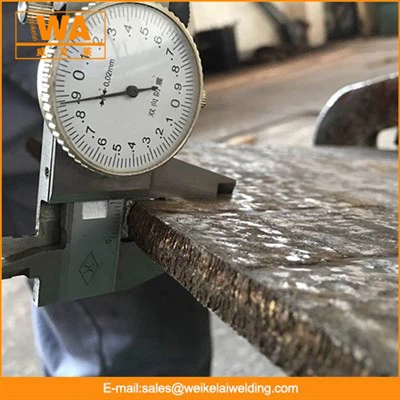
As a wear plate supplier, I understand the critical importance of transporting these robust materials safely. Wear plates, known for their durability and resistance to wear, abrasion, and high - impact stress, come in various types, such as Abrasion Resistant Steel, Chromium Carbide Plate, and Hardfacing Protection Steel Plate. Each type has unique characteristics that need to be considered during transportation to ensure they reach their destination in pristine condition.
Understanding the Nature of Wear Plates
Before delving into the transportation methods, it's essential to understand the properties of wear plates. These plates are often made from high - strength alloys and are designed to withstand harsh environments. They are heavy, which poses challenges in terms of handling and securing during transit. Additionally, their surface finish can be sensitive to scratches or dents, which can compromise their performance.
Pre - Transportation Preparation
Inspection
The first step in safe transportation is a thorough inspection of the wear plates. Check for any pre - existing damage, such as cracks or deformities. Any issues found should be documented and addressed before the plates are loaded. This not only ensures the quality of the product but also helps in case of any insurance claims.
Cleaning
Clean the wear plates to remove any debris or contaminants that could cause corrosion during transit. A simple cleaning with a mild detergent and water, followed by drying, can significantly reduce the risk of rust formation.
Packaging
Proper packaging is crucial for protecting wear plates. Use protective coatings or wraps to prevent scratches and abrasions. For larger plates, wooden crates or pallets can be used to provide structural support and prevent shifting during transportation. The packaging material should be strong enough to withstand the weight and movement of the plates.
Transportation Modes
Road Transport
Road transport is a common choice for transporting wear plates, especially for local or regional deliveries. When using trucks, ensure that the vehicle is equipped with a suitable flatbed or trailer. The plates should be loaded in a stable manner, with the heaviest plates at the bottom. Use straps or chains to secure the plates tightly to the vehicle to prevent any movement during transit. Additionally, the driver should be aware of the weight distribution and the special handling requirements of the load.
Rail Transport
Rail transport is suitable for long - distance transportation of large quantities of wear plates. The plates can be loaded into railcars, which are designed to handle heavy and bulky loads. Similar to road transport, proper securing of the plates is essential. Railcars often have tie - down points that can be used to fasten the plates. However, it's important to note that rail transport may involve multiple transfers, which increases the risk of damage. Therefore, extra care should be taken during loading and unloading at each transfer point.
Sea Transport
For international shipments, sea transport is a cost - effective option. Wear plates are typically loaded into shipping containers. When loading the containers, ensure that the plates are arranged in an organized manner to maximize space utilization. Again, use appropriate securing materials to prevent the plates from shifting during the long journey at sea. Shipping containers are exposed to various weather conditions, so it's important to choose containers that are weather - resistant and to add additional moisture - absorbing materials inside the container to prevent rust.
Handling During Loading and Unloading
Equipment
Use proper handling equipment, such as forklifts or cranes, to load and unload wear plates. These machines should be in good working condition and operated by trained personnel. The forks of the forklift should be wide enough and strong enough to support the weight of the plates without causing damage.


Safety Procedures
Follow strict safety procedures during loading and unloading. Workers should wear appropriate personal protective equipment, such as hard hats, safety glasses, and steel - toed boots. Ensure that the area is clear of any obstacles and that there are clear communication channels between the operators of the handling equipment.
Monitoring During Transit
Tracking
Utilize tracking systems to monitor the location and condition of the wear plates during transit. This allows you to keep track of the progress of the shipment and to quickly address any issues that may arise, such as delays or unexpected stops.
Temperature and Humidity
For some wear plates, extreme temperature and humidity can affect their properties. Consider using sensors to monitor these environmental factors during transit. If necessary, take appropriate measures, such as adjusting the ventilation in the shipping container, to maintain optimal conditions.
Insurance
It's highly recommended to obtain insurance coverage for the transportation of wear plates. Insurance can protect you from financial losses in case of damage, loss, or theft during transit. Make sure to understand the terms and conditions of the insurance policy, including the coverage limits and the claims process.
Conclusion
Transporting wear plates safely requires careful planning, proper handling, and continuous monitoring. By understanding the nature of the wear plates, choosing the right transportation mode, and following strict safety procedures, you can ensure that the plates reach their destination in excellent condition.
If you are in the market for high - quality wear plates and need reliable transportation solutions, we are here to assist you. Our team of experts can provide you with detailed information about our products and help you plan the safest and most cost - effective transportation for your wear plate needs. Contact us today to start a discussion about your procurement requirements.