

Proper storage of wear steel plate is crucial for maintaining its quality and performance. As a wear steel plate supplier, I understand the significance of providing guidance on this topic to ensure that our customers can make the most of our products. In this blog post, I will share some essential tips on how to store wear steel plate properly.
Understanding the Characteristics of Wear Steel Plate
Before delving into storage methods, it's important to understand the nature of wear steel plate. Wear steel plate, such as Abrasion Resistant Steel, is designed to withstand high levels of abrasion, impact, and wear. It typically has a high hardness and toughness, which makes it suitable for applications in industries like mining, construction, and manufacturing. However, these properties also mean that the steel plate can be susceptible to certain environmental factors if not stored correctly.
Selecting the Right Storage Location
The first step in proper storage is choosing an appropriate location. The storage area should be dry, well - ventilated, and protected from the elements. Moisture is one of the biggest enemies of steel, as it can lead to rusting and corrosion. If possible, store the wear steel plate indoors in a warehouse or storage facility. This provides a controlled environment where temperature and humidity can be regulated.
If indoor storage is not an option, outdoor storage can be used, but additional precautions must be taken. The storage area should be elevated to prevent water from pooling around the plates. A concrete or gravel base is ideal as it allows for good drainage. The plates should also be covered with waterproof tarps to shield them from rain, snow, and direct sunlight.
Organizing the Storage Space
Once you have selected the storage location, it's time to organize the space. The wear steel plates should be stacked in an orderly manner. Stacking the plates flat on top of each other is the most common method. However, make sure that the stacks are stable and not too high to prevent toppling. A stack height of no more than 1.5 - 2 meters is generally recommended.
Separate different sizes and grades of wear steel plates. This makes it easier to locate specific plates when needed and also helps prevent damage that could occur if different types of plates are mixed during handling. You can use wooden pallets or spacers between the layers of plates to provide support and prevent scratching.
Protecting the Surface of the Wear Steel Plate
The surface of the wear steel plate is its most important feature, as it is the part that will be exposed to wear and abrasion in its application. To protect the surface during storage, avoid placing sharp or heavy objects on top of the plates. Any scratches or dents on the surface can compromise the performance of the plate.
If the wear steel plate has a protective coating, make sure not to damage it during storage. The coating is designed to enhance the corrosion resistance and wear properties of the plate. If the coating is damaged, it should be repaired or reapplied as soon as possible.

Monitoring the Storage Conditions
Regular monitoring of the storage conditions is essential. Check the storage area for signs of water leakage, excessive humidity, or any other environmental factors that could affect the quality of the wear steel plate. Use a hygrometer to measure the humidity levels in the storage area. The ideal relative humidity for storing steel is between 30% and 50%.
Inspect the plates regularly for any signs of rust, corrosion, or damage. If any issues are detected, take immediate action to address them. This may involve cleaning the plates, applying a rust inhibitor, or re - covering the plates with a protective coating.
Special Considerations for Different Types of Wear Steel Plate
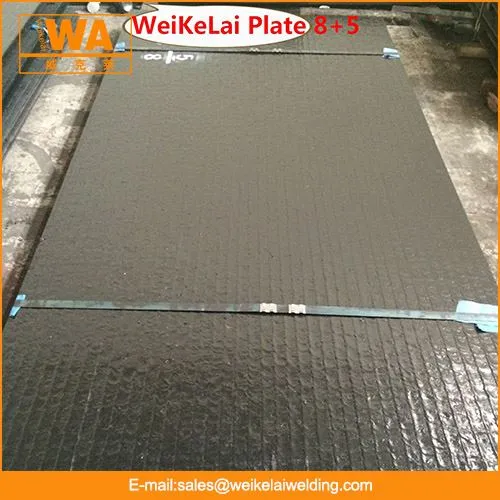
There are different types of wear steel plates, such as Tungsten Carbide Plate and Hardfacing Protection Steel Plate, each with its own unique characteristics and storage requirements.
Tungsten carbide plates are extremely hard and wear - resistant. However, they are also brittle and can be easily damaged if not handled properly. When storing tungsten carbide plates, avoid subjecting them to excessive impact or vibration. They should be stored in a padded container or between soft materials to prevent chipping or cracking.
Hardfacing protection steel plates have a hardfacing layer on the surface. This layer is very sensitive to heat and mechanical stress. When storing hardfacing protection steel plates, keep them away from heat sources and avoid any mechanical damage to the hardfacing layer.
Conclusion
Proper storage of wear steel plate is a multi - faceted process that requires careful consideration of various factors. By selecting the right storage location, organizing the storage space, protecting the surface of the plates, monitoring the storage conditions, and taking special considerations for different types of plates, you can ensure that the wear steel plate maintains its quality and performance during storage.
As a wear steel plate supplier, we are committed to providing our customers with high - quality products and the best advice on how to use and store them. If you have any questions about wear steel plate storage or are interested in purchasing our products, please feel free to contact us for a detailed discussion. We look forward to working with you to meet your wear - resistant material needs.
References
- "Steel Storage Guidelines" - Industry Standard Publication
- "Wear Steel Plate: Properties and Applications" - Technical Report from a Steel Manufacturer





