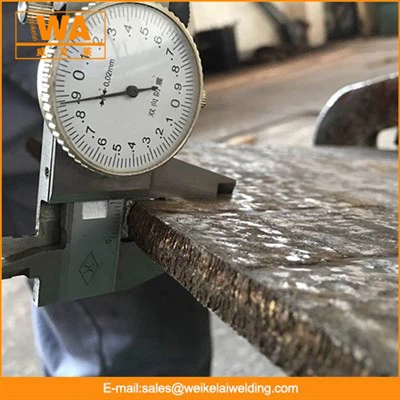
As a supplier of bent cladding pipes, I've witnessed firsthand the critical role these pipes play in various industrial applications. From mining to power generation, the strength and durability of bent cladding pipes are often the linchpin of operational success. In this blog, I'll share some practical strategies and insights on how to improve the strength of a bent cladding pipe, based on my years of experience in the industry.
Understanding the Basics of Bent Cladding Pipes
Before delving into the ways to enhance strength, it's essential to understand what bent cladding pipes are and how they work. Bent cladding pipes are essentially pipes that have been bent to a specific angle and then clad with a layer of wear - resistant material. This cladding layer serves to protect the inner pipe from abrasion, corrosion, and other forms of damage, extending the pipe's lifespan and improving its performance.
The strength of a bent cladding pipe depends on several factors, including the quality of the base pipe material, the type and thickness of the cladding layer, and the bending process itself. By addressing these factors, we can significantly improve the overall strength of the pipe.
Selecting the Right Base Pipe Material
The base pipe is the foundation of the bent cladding pipe. Choosing the appropriate base pipe material is crucial for ensuring the pipe's strength. High - strength carbon steel is a popular choice for many applications due to its excellent mechanical properties, such as high tensile strength and good ductility. Stainless steel is another option, especially in corrosive environments, as it offers superior corrosion resistance.
When selecting the base pipe material, it's important to consider the specific requirements of the application. For example, in high - pressure applications, a pipe with a higher yield strength may be necessary. Additionally, the chemical composition of the base pipe should be compatible with the cladding material to ensure proper bonding.
Optimizing the Cladding Process
The cladding layer is what provides the pipe with its wear - resistant properties. To improve the strength of the bent cladding pipe, it's essential to optimize the cladding process.
Selecting the Right Cladding Material
There are various types of cladding materials available, each with its own unique properties. For example, tungsten carbide is known for its extreme hardness and wear resistance, making it suitable for applications with high - abrasion conditions, such as mining and sandblasting. [Wear Resistant Pipe](/hardfacing - pipe/wear - resistant - pipe.html) often uses tungsten carbide cladding for its superior performance.
Stellite is another popular cladding material, which offers excellent corrosion and wear resistance, as well as good high - temperature properties. It is commonly used in applications where the pipe is exposed to harsh chemical environments or high - temperature fluids.
Controlling the Cladding Thickness
The thickness of the cladding layer also plays a significant role in the pipe's strength. A thicker cladding layer generally provides better wear resistance, but it can also increase the weight and cost of the pipe. Therefore, it's important to find the right balance between cladding thickness and performance.

In general, the cladding thickness should be determined based on the expected wear rate and the service life requirements of the pipe. For applications with high - abrasion conditions, a thicker cladding layer may be necessary, while for less severe applications, a thinner layer may be sufficient.
Ensuring Proper Bonding
Proper bonding between the cladding layer and the base pipe is essential for the strength of the bent cladding pipe. Any defects in the bonding can lead to delamination of the cladding layer, which can significantly reduce the pipe's performance and lifespan.

To ensure proper bonding, the surface of the base pipe should be properly prepared before cladding. This may involve cleaning, grinding, or sandblasting to remove any contaminants or oxide layers. Additionally, the cladding process should be carefully controlled to ensure uniform heat distribution and proper fusion between the cladding material and the base pipe.
Improving the Bending Process
The bending process can have a significant impact on the strength of the bent cladding pipe. Improper bending can cause stress concentration, cracking, or thinning of the pipe wall, which can weaken the pipe.
Choosing the Right Bending Method
There are several bending methods available, including cold bending and hot bending. Cold bending is typically used for pipes with smaller diameters and thinner walls, as it is a more cost - effective and efficient method. However, cold bending can introduce residual stresses in the pipe, which can affect its strength.
Hot bending, on the other hand, is suitable for pipes with larger diameters and thicker walls. It involves heating the pipe to a specific temperature before bending, which reduces the risk of cracking and improves the formability of the pipe. However, hot bending requires more equipment and energy, and it can also affect the properties of the cladding layer if not properly controlled.
Controlling the Bending Parameters
Regardless of the bending method used, it's important to control the bending parameters, such as the bending radius, bending angle, and bending speed. A smaller bending radius can increase the stress concentration in the pipe, while a larger bending radius can reduce the strength of the bent section. Therefore, the bending radius should be carefully selected based on the pipe's diameter, wall thickness, and material properties.
The bending angle should also be controlled to ensure that it meets the requirements of the application. Additionally, the bending speed should be adjusted to prevent cracking or excessive deformation of the pipe.
Post - Processing and Quality Control
After the bending and cladding processes, post - processing steps can be taken to further improve the strength of the bent cladding pipe.
Heat Treatment
Heat treatment can be used to relieve the residual stresses introduced during the bending and cladding processes. By heating the pipe to a specific temperature and then cooling it at a controlled rate, the internal stresses in the pipe can be reduced, which can improve its strength and ductility.
Non - Destructive Testing
Non - destructive testing (NDT) methods, such as ultrasonic testing, magnetic particle testing, and radiographic testing, can be used to detect any defects in the bent cladding pipe. By identifying and repairing any defects before the pipe is put into service, the risk of failure can be significantly reduced.
Conclusion
Improving the strength of a bent cladding pipe requires a comprehensive approach that addresses the selection of the base pipe material, the optimization of the cladding process, the improvement of the bending process, and the implementation of post - processing and quality control measures. By following these strategies, we can ensure that our bent cladding pipes meet the highest standards of strength and durability, providing reliable performance in a wide range of industrial applications.
If you're in the market for high - quality [Abrasion Resistant Elbows](/hardfacing - pipe/abrasion - resistant - elbows.html) or [Hardfacing Abrasion Elbows](/hardfacing - pipe/hardfacing - abrasion - elbows.html), I encourage you to reach out to us for more information. We're committed to providing our customers with the best - in - class bent cladding pipes and exceptional service. Whether you have specific requirements or need advice on the right product for your application, our team of experts is here to assist you. Contact us today to start the procurement discussion and find the perfect solution for your needs.
References
- ASME B31.3 - Process Piping Code
- ASTM A312 - Standard Specification for Stainless Steel Pipe
- ISO 9001 - Quality Management Systems - Requirements