Hey there! I'm a supplier of Bent Cladding Pipe, and today I'm gonna walk you through how these awesome pipes are manufactured. It's a pretty cool process, and I'm stoked to share it with you.
Starting with the Base Pipe
The first step in making a bent cladding pipe is to pick the right base pipe. This is super important 'cause the base pipe sets the foundation for the whole thing. We usually go for high - quality carbon steel or alloy steel pipes. These materials are tough and can handle a lot of stress, which is crucial when you're dealing with pipes that might be used in some pretty harsh environments.
We source our base pipes from trusted suppliers. We make sure they meet all the quality standards we have in place. Once we get the base pipes, we give them a thorough inspection. We check for any cracks, dents, or other defects that could mess up the manufacturing process later on. If we find any issues, we send the pipes back to the supplier right away.
Bending the Pipe
After the base pipe passes inspection, it's time to bend it. Bending is a delicate process that requires a lot of precision. We use specialized bending machines to get the job done. These machines are designed to bend the pipe to the exact angle and radius that our customers need.
There are a few different methods we can use for bending. One common method is called cold bending. In cold bending, the pipe is bent at room temperature without heating it up. This method is great for pipes that don't need a lot of bending or for materials that are sensitive to heat.
Another method is hot bending. In hot bending, we heat the pipe to a high temperature before bending it. This makes the pipe more malleable and allows us to bend it into more complex shapes. However, hot bending requires more equipment and is a bit more time - consuming.
Once the pipe is bent, we check it again to make sure the bend meets all the specifications. We use measuring tools to check the angle, radius, and other dimensions. If everything looks good, we move on to the next step.
Preparing for Cladding
Before we can start cladding the bent pipe, we need to prepare the surface. This involves cleaning the pipe to remove any dirt, rust, or other contaminants. We use a combination of mechanical and chemical cleaning methods to get the surface nice and clean.
First, we use a wire brush or a sandblasting machine to remove any loose dirt and rust from the surface of the pipe. This helps to create a rough surface that the cladding material can adhere to. After that, we use a chemical cleaner to remove any remaining contaminants.
Once the surface is clean, we apply a primer to the pipe. The primer helps to protect the base pipe from corrosion and also improves the adhesion of the cladding material. We make sure to apply the primer evenly and let it dry completely before moving on to the next step.
Cladding the Pipe
Now comes the fun part - cladding the pipe. Cladding is the process of applying a layer of wear - resistant material to the surface of the bent pipe. This layer helps to protect the pipe from abrasion, corrosion, and other forms of damage.
We use a variety of cladding materials, depending on the specific needs of our customers. Some of the most common cladding materials include stainless steel, nickel - based alloys, and carbide - based materials. These materials are known for their high wear resistance and durability.
There are several methods we can use to apply the cladding material. One popular method is called welding. In welding, we use a welding machine to melt the cladding material and fuse it to the surface of the pipe. This creates a strong bond between the cladding and the base pipe.
Another method is called thermal spraying. In thermal spraying, we heat the cladding material to a high temperature and then spray it onto the surface of the pipe. This method is great for applying thin layers of cladding material quickly and evenly.
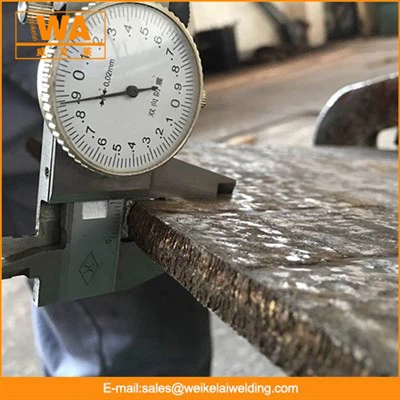
During the cladding process, we pay close attention to the quality of the cladding. We make sure that the cladding layer is uniform in thickness and that there are no gaps or voids. We also check the adhesion of the cladding to the base pipe to make sure it's strong enough to withstand the conditions it will be exposed to.
Finishing and Quality Control
After the cladding is applied, we give the pipe a final finish. This involves grinding and polishing the surface of the pipe to make it smooth and even. We also remove any excess cladding material or welding slag from the surface.
Once the finishing is done, we conduct a final quality control inspection. We check the pipe for any defects in the cladding, such as cracks, porosity, or poor adhesion. We also test the pipe for its mechanical properties, such as hardness, tensile strength, and wear resistance.
If the pipe passes all the quality control tests, it's ready to be shipped to our customers. We package the pipe carefully to protect it during transportation and make sure it arrives at its destination in perfect condition.
Applications of Bent Cladding Pipes
Bent cladding pipes have a wide range of applications. They are commonly used in industries such as mining, power generation, and chemical processing. In the mining industry, for example, bent cladding pipes are used to transport abrasive materials such as coal, ore, and sand. The wear - resistant cladding helps to protect the pipes from the abrasive action of these materials, which can extend the lifespan of the pipes and reduce maintenance costs.
In the power generation industry, bent cladding pipes are used in boilers and other equipment to transport high - temperature and high - pressure fluids. The cladding helps to protect the pipes from corrosion and erosion, which can improve the efficiency and reliability of the equipment.
If you're looking for high - quality Wear Resistant Pipe, Hardfacing Abrasion Elbows, or Hardfacing Abrasion Pipe, we've got you covered. Our bent cladding pipes are made with the highest quality materials and the latest manufacturing techniques to ensure they meet your needs.
Why Choose Our Bent Cladding Pipes
There are a few reasons why you should choose our bent cladding pipes. First of all, we have a team of experienced engineers and technicians who are experts in the field of pipe manufacturing. They know how to make the best - quality pipes that meet all the industry standards.
Second, we use the latest equipment and technology to manufacture our pipes. This allows us to produce pipes with high precision and quality. We also have a strict quality control system in place to ensure that every pipe we make is perfect.
Finally, we offer excellent customer service. We work closely with our customers to understand their needs and provide them with the best solutions. Whether you need a custom - made bent cladding pipe or just have a question about our products, we're here to help.


Contact Us for Purchasing
If you're interested in purchasing our bent cladding pipes, don't hesitate to get in touch with us. We'd love to have a chat with you about your specific requirements and provide you with a quote. Our sales team is always ready to assist you and answer any questions you might have.
References
- "Pipe Bending Handbook" - A comprehensive guide on pipe bending techniques and processes.
- "Wear - Resistant Materials and Coatings" - A study on different types of wear - resistant materials used in pipe cladding.
- "Advanced Welding Technologies for Pipe Manufacturing" - A research paper on the latest welding methods for applying cladding to pipes.