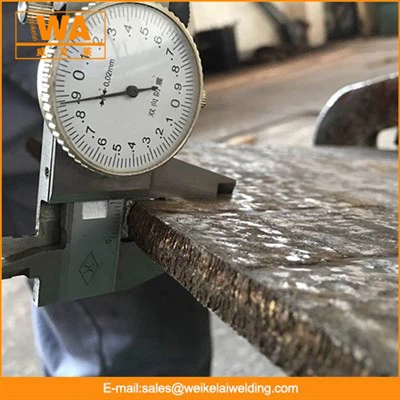
Hardox steel plates are renowned for their exceptional strength, durability, and wear resistance, making them a top choice in numerous industries such as mining, construction, and transportation. As a leading Hardox steel plate supplier, I often encounter inquiries from customers regarding how the thickness of these plates affects their performance. In this blog, I will delve into this topic in detail, exploring the various ways in which thickness influences the functionality and suitability of Hardox steel plates for different applications.
1. Mechanical Properties and Thickness
Tensile Strength
Tensile strength is a crucial mechanical property that measures a material's ability to withstand pulling forces without breaking. In the case of Hardox steel plates, the thickness can have a significant impact on tensile strength. Generally, as the thickness of the plate increases, the tensile strength also tends to increase. This is because thicker plates have more material to resist the applied forces, distributing the stress more evenly across the cross - section.
For example, in heavy - duty mining equipment where large forces are exerted during excavation and material handling, thicker Hardox steel plates can better withstand the high tensile stresses. They are less likely to experience catastrophic failures under extreme loading conditions, ensuring the safety and reliability of the equipment.
Yield Strength
Yield strength refers to the stress at which a material begins to deform plastically. Similar to tensile strength, the yield strength of Hardox steel plates is often enhanced with increased thickness. Thicker plates have a greater volume of material that can resist the initial onset of plastic deformation.
In applications such as construction machinery frames, where the structure needs to support heavy loads without permanent deformation, a higher yield strength provided by thicker Hardox steel plates is essential. This allows the machinery to operate under demanding conditions for extended periods without losing its structural integrity.
2. Wear Resistance and Thickness
Abrasion Resistance
Hardox steel is well - known for its excellent abrasion resistance, which is a critical factor in applications where the plate is exposed to abrasive materials such as rocks, sand, and gravel. The thickness of the plate plays a vital role in determining its long - term abrasion resistance.
Thicker Hardox steel plates offer more material to wear away before reaching the point of failure. For instance, in the lining of dump trucks used in mining operations, a thicker plate can withstand the constant abrasion caused by the loading and unloading of abrasive ores for a longer time compared to a thinner plate. This reduces the frequency of plate replacements, resulting in lower maintenance costs and increased operational efficiency. You can learn more about Abrasion Resistant Steel on our website.
Impact Wear Resistance
In addition to abrasion, Hardox steel plates may also be subjected to impact wear, such as in the case of crusher liners in the mining industry. Thicker plates are generally more resistant to impact wear as they can absorb and distribute the energy from impacts more effectively.
When a thick Hardox steel plate is struck by a large rock or other heavy object, the additional material thickness allows the plate to deform plastically to a certain extent without cracking or breaking. This ability to absorb impact energy helps to protect the underlying structure and ensures the continued operation of the equipment.
3. Weldability and Thickness
Welding Difficulties
The thickness of Hardox steel plates can significantly affect their weldability. Thicker plates often present more challenges during the welding process. One of the main issues is the increased heat input required to penetrate the thicker material. This can lead to a higher risk of heat - affected zone (HAZ) cracking, as the rapid heating and cooling cycles can cause residual stresses in the HAZ.
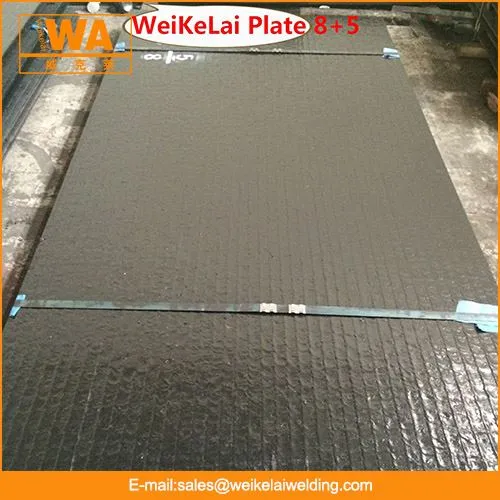

To overcome these challenges, special welding techniques and pre - heating procedures may be necessary when welding thicker Hardox steel plates. For example, pre - heating the plate to a specific temperature before welding can help to reduce the cooling rate and minimize the formation of residual stresses.
Weld Quality
The quality of the weld is also crucial for the overall performance of the Hardox steel plate structure. Thicker plates require more precise welding procedures to ensure a strong and reliable weld joint. The weld bead needs to have sufficient penetration and fusion with the base metal to provide the necessary strength.
In applications where the welded Hardox steel plate structure is subjected to high loads, such as in the construction of bridges or heavy - duty trailers, ensuring high - quality welds in thicker plates is of utmost importance. Any defects in the weld can compromise the integrity of the entire structure.
4. Cost - Effectiveness and Thickness
Initial Cost
Thicker Hardox steel plates generally have a higher initial cost compared to thinner plates. This is due to the increased amount of raw material required and the additional processing steps involved in manufacturing thicker plates. However, it is important to consider the long - term cost - effectiveness of using thicker plates.
Long - Term Savings
Although the initial investment is higher, thicker plates can result in long - term savings. As mentioned earlier, their enhanced wear resistance and mechanical properties can lead to reduced maintenance costs and longer service life. For example, in a mining operation, a thicker Hardox steel plate used as a conveyor chute liner may last several times longer than a thinner plate, reducing the frequency of replacements and downtime.
5. Applications and Optimal Thickness
Mining Industry
In the mining industry, the optimal thickness of Hardox steel plates depends on the specific application. For example, in the lining of ore crushers, plates with a thickness of 20 - 50 mm may be required to withstand the high - impact forces and abrasion. In conveyor belts, thinner plates in the range of 5 - 10 mm may be sufficient, as they mainly need to resist abrasion from the transported materials.
Construction Industry
In construction, Hardox steel plates are used in various applications such as building frames, crane booms, and excavation equipment. For building frames, thicker plates (e.g., 15 - 30 mm) are often used to provide the necessary strength and stability. In excavation equipment like buckets, plates with a thickness of 8 - 15 mm can offer a good balance between wear resistance and weight.
Transportation Industry
In the transportation industry, Hardox steel plates are used in the construction of trucks, trailers, and railway wagons. For truck beds, plates with a thickness of 4 - 12 mm are commonly used, depending on the type of cargo being transported. Thicker plates are used for carrying heavy and abrasive materials, while thinner plates may be sufficient for lighter loads.
6. Other Related Products
In addition to Hardox steel plates, we also offer a range of related products such as CCO Wear Plate and Chromium Carbide Plate. These products have their own unique properties and are suitable for different applications. CCO wear plates are known for their excellent corrosion and wear resistance, making them ideal for applications in harsh environments. Chromium carbide plates, on the other hand, offer extremely high abrasion resistance and are often used in the most demanding abrasive applications.
Conclusion
The thickness of Hardox steel plates has a profound impact on their performance in various aspects, including mechanical properties, wear resistance, weldability, and cost - effectiveness. As a Hardox steel plate supplier, we understand the importance of selecting the right thickness for different applications. By considering the specific requirements of your project, such as the type of loads, the environment, and the expected service life, we can help you choose the most suitable Hardox steel plate thickness.
If you are interested in purchasing Hardox steel plates or have any questions regarding their application and thickness selection, please feel free to contact us. Our team of experts is ready to assist you in making the best decision for your needs.
References
- "Steel Construction Manual" by American Institute of Steel Construction.
- "Wear Resistance of Metals and Alloys" by various authors in the field of materials science.
- Technical literature provided by Hardox steel manufacturers.