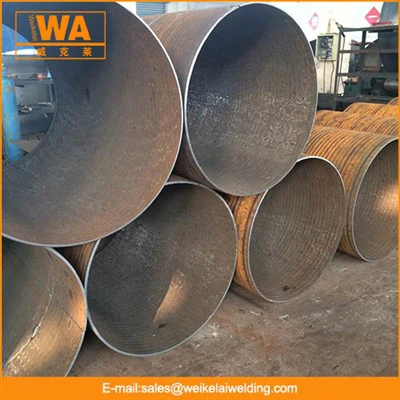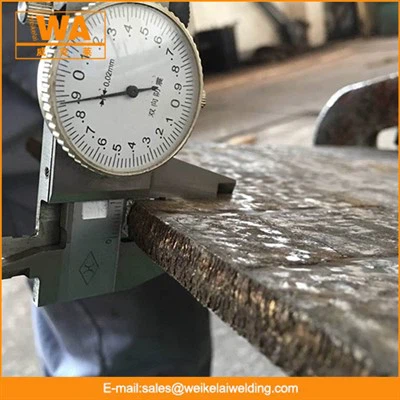
Well, folks! As a supplier of Bimetal Wear Plate, I'm super stoked to chat with you about how these bad - boys improve wear resistance. It's like a game - changer in the world of industrial materials, and I'm here to break it all down for you.
Understanding the Basics of Bimetal Wear Plate
First things first, let's get a handle on what a bimetal wear plate actually is. It's basically a composite material made up of two different metals that are bonded together. One of these metals usually serves as the base layer, providing a solid and stable structure. And the other metal? That's the wear - resistant layer, the one that takes all the heat (or, in this case, the wear and tear).
When it comes to wear resistance, traditional steel plates have their limits. They'll eventually start to show signs of wear, like scratches, dents, and even erosion in harsh environments. But bimetal wear plates are designed to kick that problem to the curb.
The Role of Material Selection
The key to the high wear - resistance of bimetal wear plates lies in the careful selection of metals for each layer. For the wear - resistant layer, you often see chromium carbide, which is one tough cookie. Chromium carbide has this incredible hardness that can withstand a whole lot of abuse.
You can check out more about Chromium Carbide Wear Plate. These plates are formed by fusing chromium carbide particles with a metal matrix. The result? A wear - resistant layer that can resist abrasion from all sorts of sources, whether it's rocks in a mining operation, abrasive grains in a manufacturing process, or even the constant flow of materials in a conveyor system.
On the other hand, the base layer is typically made from a high - strength steel. This steel is chosen for its ability to provide structural support. It can handle the mechanical stresses and forces that are applied to the plate without deforming or breaking. This combination of a tough wear - resistant layer and a strong base layer is what makes bimetal wear plates such a powerful option.
How Bimetal Wear Plates Stand Up to Abrasion
Abrasion is one of the most common forms of wear in industrial applications. It happens when two surfaces rub against each other, causing material to be removed from one or both surfaces. Bimetal wear plates are designed to take on abrasion head - on.
The chromium carbide in the wear - resistant layer acts like a shield. When an abrasive particle comes into contact with the plate, the hard chromium carbide particles resist being worn away. Instead of the plate losing material, the abrasive particle either bounces off or is deflected. This helps to keep the surface of the plate intact for a much longer time compared to regular steel plates.
You might also want to look into Chromium Carbide Overlay. These overlays are a great way to add an extra layer of wear - resistant protection to existing equipment. They work on the same principle as bimetal wear plates, using chromium carbide to resist abrasion.
Resistance to Impact Wear
In many industrial settings, plates don't just face abrasion. They also have to deal with impact wear. This occurs when a heavy object hits the plate, causing it to deform or break. Bimetal wear plates are engineered to handle impact wear as well.
The base layer of high - strength steel is crucial here. It has the ability to absorb the energy from an impact. When a heavy object hits the plate, the base layer flexes and distributes the energy across a larger area. This prevents the wear - resistant layer from cracking or shattering.


At the same time, the wear - resistant layer maintains its hardness, ensuring that even after an impact, it can still resist abrasion. So, whether it's a rock falling onto a mining chute or a heavy component hitting a conveyor plate, bimetal wear plates can take the hit and keep on performing.
Corrosion Resistance
Corrosion is another enemy of industrial equipment. Moisture, chemicals, and other corrosive agents can eat away at regular steel plates, reducing their strength and lifespan. Bimetal wear plates have an edge in this department too.
The wear - resistant layer, especially when it contains elements like chromium, can form a protective oxide layer on the surface. This oxide layer acts as a barrier, preventing corrosive agents from reaching the underlying metal. And since the base layer is also often made from corrosion - resistant steel alloys, the overall plate has a good level of corrosion resistance.
Hardfacing Protection Steel Plate is a similar concept that offers protection against both wear and corrosion. Hardfacing involves applying a hard and wear - resistant material to the surface of a base metal, much like the wear - resistant layer on a bimetal wear plate.
The Bonding Process
The way the two metals in a bimetal wear plate are bonded together is also a critical factor in its wear resistance. A strong bond ensures that the wear - resistant layer stays firmly attached to the base layer.
There are different bonding methods, but one of the most common is welding. Welding creates a metallurgical bond between the two metals, which is incredibly strong. This bond allows the two layers to work together as a single unit, sharing the load and stresses applied to the plate.
If the bond isn't strong, the wear - resistant layer could start to delaminate or peel off. This would expose the base layer to wear and corrosion, significantly reducing the lifespan of the plate. So, a well - bonded bimetal wear plate is essential for long - term wear resistance.
Composite Wear Plates also rely on a strong bonding process. These plates combine different materials to achieve specific performance characteristics, and the bond between the materials is what holds everything together and allows them to work effectively.
Crack - Free Welding and Its Importance
When it comes to welding bimetal wear plates, crack - free welding is a big deal. Cracks in the weld can act as weak points, where wear and corrosion can start to take hold.
Crack Free Welding Wear Plate technology ensures that the welds are strong and free of cracks. This is achieved through careful control of the welding process, including factors like the welding current, voltage, and speed.
A crack - free weld means that the bond between the two metals is consistent and reliable. It also helps to maintain the integrity of the wear - resistant layer and the base layer, ensuring that the plate can continue to perform well under tough conditions.
Real - World Applications
Bimetal wear plates are used in a wide range of industries. In the mining industry, they're used in chutes, hoppers, and crushers. These areas are constantly exposed to abrasive rocks and minerals, and bimetal wear plates can significantly extend the lifespan of the equipment.
In the cement industry, bimetal wear plates are used in kilns, conveyors, and mills. The high - temperature and abrasive environment in these facilities require materials that can withstand both heat and wear, and bimetal wear plates fit the bill.
The power generation industry also benefits from bimetal wear plates. They're used in coal - handling systems, where the plates are exposed to abrasive coal and ash. By using bimetal wear plates, power plants can reduce maintenance costs and downtime.
Why You Should Consider Bimetal Wear Plates
If you're in an industry where wear and tear are a constant problem, bimetal wear plates are definitely worth considering. They offer a cost - effective solution in the long run. Sure, they might cost a bit more upfront compared to regular steel plates, but their extended lifespan and reduced maintenance requirements can save you a ton of money in the long term.
They also improve the overall performance of your equipment. With less wear and damage, your machines can run more smoothly and efficiently. This means fewer breakdowns, less downtime, and increased productivity.
Let's Talk Business
If you're interested in learning more about our bimetal wear plates or want to discuss a specific application, don't hesitate to reach out. We're here to help you find the right solution for your needs. Whether you need a custom - made plate or just want some advice on wear - resistant materials, we've got you covered.