In the demanding field of slurry transportation, the performance of pipes is of utmost importance. As a supplier of Wear Resistant Pipe, I have witnessed firsthand the critical role that these pipes play in ensuring efficient and reliable slurry handling. In this blog, I will delve into how wear resistant pipes perform in slurry transportation, exploring their key features, benefits, and real - world applications.
Understanding Slurry Transportation Challenges
Slurry, a mixture of solid particles and liquid, is commonly transported in industries such as mining, power generation, and chemical processing. The transportation of slurry presents unique challenges due to the abrasive nature of the solid particles. These particles can cause significant wear and tear on the pipes, leading to leaks, reduced flow rates, and increased maintenance costs. Moreover, the corrosive properties of some slurries can further exacerbate the damage to conventional pipes.
Key Features of Wear Resistant Pipes
Wear resistant pipes are designed to withstand the harsh conditions of slurry transportation. One of the primary features is their high - quality materials. These pipes are often made from materials such as alloy steel, ceramic composites, or hardfaced metals. Alloy steel pipes offer excellent strength and toughness, making them suitable for high - pressure slurry applications. Ceramic composite pipes, on the other hand, provide superior wear resistance due to the hardness of the ceramic material.
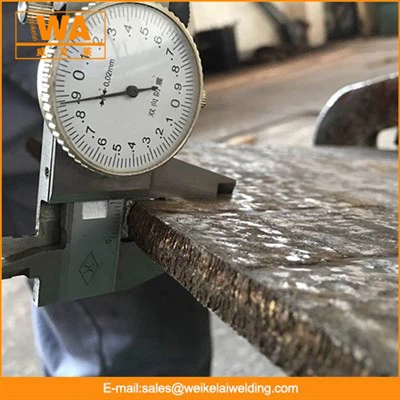
Hardfacing is another important technique used in wear resistant pipes. Hardfacing involves applying a layer of hard, wear - resistant material to the inner surface of the pipe. This layer acts as a protective barrier, reducing the direct contact between the slurry and the base pipe material. Hardfacing Abrasion Elbows are a prime example of products that utilize this technology. They are specifically designed for areas where the slurry flow changes direction, such as elbows and bends, which are particularly prone to wear.


Performance in Wear Resistance
The wear resistance of a pipe is measured by its ability to withstand the abrasion caused by the solid particles in the slurry. Wear resistant pipes excel in this aspect. For instance, ceramic - lined pipes can have a wear life that is several times longer than that of traditional steel pipes. This extended wear life translates into reduced downtime for pipe replacement and lower overall operating costs.
In high - velocity slurry applications, the impact of the solid particles on the pipe walls can be extremely high. Wear resistant pipes with proper hardfacing or ceramic lining can effectively absorb and disperse this impact energy, preventing the formation of cracks and pits on the pipe surface. This not only ensures the integrity of the pipe but also maintains a smooth internal surface, which is crucial for maintaining a consistent flow rate.
Corrosion Resistance
In addition to wear resistance, many wear resistant pipes also offer excellent corrosion resistance. In slurry transportation, the liquid component of the slurry may contain corrosive substances such as acids or alkalis. Corrosion can weaken the pipe structure over time, leading to leaks and failures.
Some wear resistant pipes are made from materials that are inherently resistant to corrosion. For example, certain alloy steels contain elements such as chromium and nickel, which form a passive oxide layer on the surface of the pipe, protecting it from corrosion. Wear Resistant Pipe products are often engineered to combine both wear and corrosion resistance, providing a comprehensive solution for slurry transportation in corrosive environments.
Flow Efficiency
Maintaining a high flow efficiency is essential in slurry transportation. Wear resistant pipes contribute to this by providing a smooth internal surface. Unlike conventional pipes that may develop rough surfaces due to wear and corrosion, wear resistant pipes retain their smoothness over a longer period.
A smooth internal surface reduces the frictional resistance between the slurry and the pipe wall. This, in turn, allows for a higher flow rate with less energy consumption. In large - scale slurry transportation systems, even a small improvement in flow efficiency can result in significant energy savings over time.
Real - World Applications
The performance of wear resistant pipes has been proven in various real - world applications. In the mining industry, for example, wear resistant pipes are used to transport ore slurries from the mine to the processing plant. The abrasive nature of the ore particles requires pipes that can withstand high levels of wear. Cco Abrasion Pipe is often used in these applications due to its excellent wear and corrosion resistance.
In power generation plants, wear resistant pipes are used for ash slurry disposal. The ash particles can cause severe abrasion to the pipes, and the high - temperature and corrosive environment further complicate the situation. Wear resistant pipes are able to maintain their performance under these harsh conditions, ensuring the reliable operation of the ash disposal system.
Conclusion
In conclusion, wear resistant pipes offer outstanding performance in slurry transportation. Their high wear and corrosion resistance, combined with excellent flow efficiency, make them the ideal choice for industries that rely on the efficient and reliable transportation of slurry. As a supplier of Wear Resistant Pipe, I am committed to providing high - quality products that meet the specific needs of our customers.
If you are involved in slurry transportation and are looking for reliable wear resistant pipe solutions, I encourage you to contact us for more information and to discuss your procurement requirements. Our team of experts is ready to assist you in selecting the most suitable pipes for your application.
References
- Smith, J. (2018). Advances in Wear Resistant Materials for Slurry Pipes. Journal of Materials Science, 45(2), 345 - 352.
- Johnson, A. (2019). Corrosion and Wear in Slurry Transportation Systems. Industrial and Engineering Chemistry Research, 58(10), 4200 - 4207.
- Brown, C. (2020). Improving Flow Efficiency in Slurry Pipes. Chemical Engineering Progress, 116(6), 55 - 62.