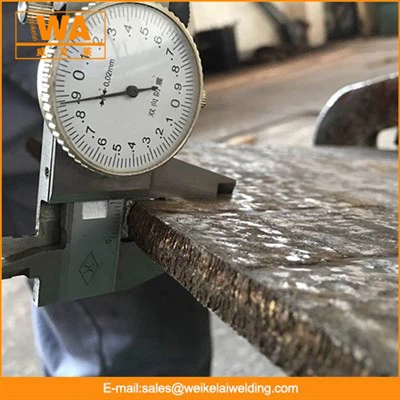
Hey there! As a supplier of Wear Resistant Pipe, I've been getting a lot of questions lately about how these pipes perform in low - temperature environments. So, I thought I'd share some insights on this topic.
First off, let's talk about what makes a wear - resistant pipe special. Wear resistant pipes are designed to withstand the harsh conditions of abrasive materials flowing through them. Whether it's in mining, power generation, or other industrial applications, these pipes are built tough. We offer a range of products, like Hardfacing Abrasion Elbows, Wear Resistant Straight Pipe, and of course, Wear Resistant Pipe.
Now, when it comes to low - temperature environments, things get a bit tricky. Low temperatures can have a significant impact on the performance of materials, and wear - resistant pipes are no exception.


One of the main concerns in low - temperature conditions is the change in material properties. Most wear - resistant pipes are made from alloys that have specific mechanical properties at normal temperatures. As the temperature drops, these alloys can become more brittle. This brittleness can increase the risk of cracking and failure, especially when the pipe is under stress from the flow of abrasive materials.
For example, if you have a pipe that's transporting coal ash in a cold climate, the constant impact of the ash particles combined with the low - temperature brittleness can cause the pipe to develop cracks over time. These cracks can then lead to leaks, which not only cause downtime for repairs but also pose environmental and safety risks.
However, not all is lost. There are ways to mitigate these issues. One approach is to choose the right material for the low - temperature application. Some alloys are specifically designed to maintain their toughness and wear resistance at lower temperatures. These alloys often contain elements like nickel and molybdenum, which help to improve the material's ductility and impact resistance in cold conditions.
Another important factor is the manufacturing process. Proper heat treatment during the production of wear - resistant pipes can significantly improve their performance in low - temperature environments. Heat treatment can help to refine the grain structure of the alloy, making it more resistant to cracking and wear. For instance, quenching and tempering processes can be adjusted to optimize the material's properties for low - temperature use.
In addition to material selection and manufacturing processes, proper installation and maintenance are also crucial. During installation, it's important to ensure that the pipes are properly supported and aligned. This helps to reduce the stress on the pipes, especially in low - temperature conditions where the material is more vulnerable to stress - induced cracking.
Regular maintenance is also essential. Inspecting the pipes for signs of wear, cracking, or corrosion on a regular basis can help to catch any issues early on. If any problems are detected, they can be addressed promptly to prevent further damage.
Let's take a look at some real - world examples. In a mining operation in a cold region, a company was using standard wear - resistant pipes to transport ore slurry. They noticed that the pipes were developing cracks after a few months of operation. After consulting with us, we recommended switching to a low - temperature - resistant alloy for their pipes. The new pipes were made from an alloy with a higher nickel content, which improved their toughness at low temperatures. As a result, the company saw a significant reduction in pipe failures and an increase in the overall efficiency of their operation.
Another example is a power plant in a cold climate. The plant was experiencing leaks in their fly ash handling pipes due to low - temperature brittleness. By adjusting the heat treatment process of their wear - resistant pipes and implementing a more rigorous maintenance schedule, they were able to extend the lifespan of the pipes and reduce the frequency of repairs.
So, to sum it up, wear - resistant pipes can perform well in low - temperature environments if the right steps are taken. Choosing the appropriate material, optimizing the manufacturing process, and ensuring proper installation and maintenance are all key factors in ensuring the long - term performance of these pipes.
If you're in an industry that requires wear - resistant pipes and you're dealing with low - temperature conditions, don't hesitate to reach out. We're here to help you find the best solutions for your specific needs. Whether it's selecting the right product from our range of Hardfacing Abrasion Elbows, Wear Resistant Straight Pipe, or Wear Resistant Pipe, or providing advice on installation and maintenance, we've got you covered.
Let's work together to ensure that your operations run smoothly, even in the coldest of conditions. Contact us today to start the conversation about your wear - resistant pipe needs.
References
- "Materials Science and Engineering: An Introduction" by William D. Callister Jr. and David G. Rethwisch
- "Handbook of Wear - Resistant Materials" edited by George Totten
- Industry reports on wear - resistant pipe applications in low - temperature environments