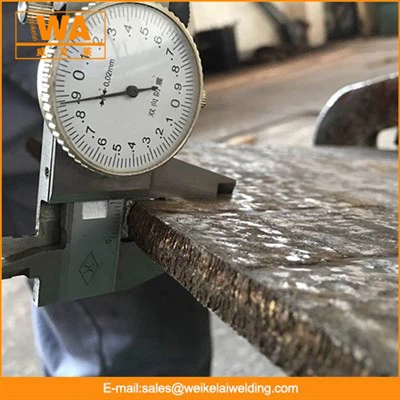
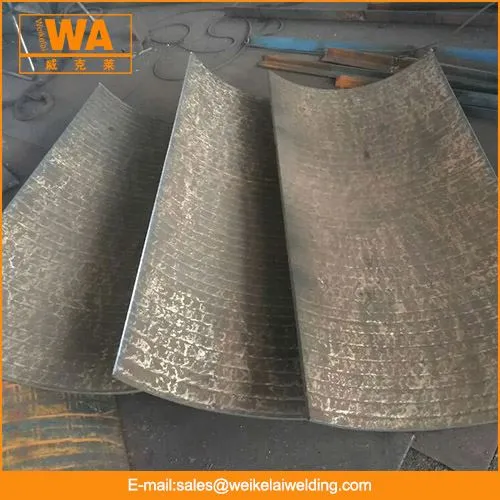
Wear liners are essential components in various industrial applications, providing protection against wear, abrasion, and corrosion. As a leading wear liners supplier, we understand the importance of these liners in preventing corrosion and ensuring the longevity of equipment. In this blog post, we will explore how wear liners prevent corrosion and why they are a crucial investment for industries dealing with corrosive environments.

Understanding Corrosion
Corrosion is a natural process that occurs when metals react with their environment, leading to the deterioration of the metal surface. This reaction can be accelerated by factors such as moisture, chemicals, and high temperatures. In industrial settings, corrosion can cause significant damage to equipment, leading to reduced efficiency, increased maintenance costs, and even safety hazards.
There are several types of corrosion, including uniform corrosion, pitting corrosion, crevice corrosion, and galvanic corrosion. Each type of corrosion has its own characteristics and can occur under different conditions. For example, uniform corrosion occurs when the entire surface of a metal is corroded at a relatively uniform rate, while pitting corrosion results in the formation of small holes or pits on the metal surface.
How Wear Liners Prevent Corrosion
Wear liners prevent corrosion through several mechanisms, including physical barrier protection, chemical resistance, and cathodic protection.
Physical Barrier Protection
One of the primary ways wear liners prevent corrosion is by acting as a physical barrier between the metal surface and the corrosive environment. Wear liners are typically made from materials such as rubber, plastic, ceramic, or metal alloys, which have excellent resistance to wear and corrosion. When installed on the surface of equipment, these liners create a protective layer that prevents direct contact between the metal and the corrosive agents.
For example, in a mining operation, chute wear liners Chute Wear Liners can be installed inside chutes to protect them from the abrasive and corrosive effects of ore and other materials. The wear liners absorb the impact and friction of the materials flowing through the chute, preventing the metal surface from being exposed to the corrosive substances. This not only extends the lifespan of the chute but also reduces the risk of corrosion-related failures.
Chemical Resistance
Wear liners are also selected for their chemical resistance properties. Different types of wear liners are designed to withstand specific chemicals and corrosive agents. For instance, rubber liners are often used in applications where resistance to acids, alkalis, and other chemicals is required. These liners have a high chemical resistance and can effectively protect the metal surface from chemical attack.
In the chemical processing industry, conveyor wear liners Conveyor Wear Liners made from chemical-resistant materials are used to transport corrosive chemicals. The liners prevent the chemicals from coming into contact with the conveyor belt and the underlying metal structure, reducing the risk of corrosion and ensuring the safe and efficient operation of the conveyor system.
Cathodic Protection
In some cases, wear liners can also provide cathodic protection to the metal surface. Cathodic protection is a technique used to prevent corrosion by making the metal surface the cathode of an electrochemical cell. This is achieved by connecting the metal to a more reactive metal, known as the sacrificial anode. The sacrificial anode corrodes preferentially, protecting the metal surface from corrosion.
Some wear liners are designed with built-in sacrificial anodes or can be used in conjunction with external sacrificial anodes. For example, in marine applications, wear protection linings Wear Protection Linings with sacrificial anodes can be installed on the hulls of ships to prevent corrosion caused by seawater. The sacrificial anodes corrode over time, providing continuous protection to the metal hull.
Benefits of Using Wear Liners to Prevent Corrosion
The use of wear liners to prevent corrosion offers several benefits to industries, including:
Extended Equipment Lifespan
By preventing corrosion, wear liners significantly extend the lifespan of equipment. This reduces the need for frequent replacement and repair, resulting in cost savings for the industry. For example, in a power plant, wear liners installed on the internal surfaces of boilers and pipes can protect them from corrosion caused by high-temperature steam and chemicals. This extends the lifespan of the equipment, reducing downtime and maintenance costs.
Improved Equipment Performance
Corrosion can cause a decrease in equipment performance, leading to reduced efficiency and productivity. Wear liners prevent corrosion, ensuring that equipment operates at its optimal level. For instance, in a manufacturing plant, wear liners on the cutting tools can prevent corrosion and wear, maintaining the sharpness of the tools and improving the quality of the products.
Enhanced Safety
Corrosion can weaken the structural integrity of equipment, posing a safety hazard to workers. Wear liners prevent corrosion, reducing the risk of equipment failure and ensuring the safety of the workplace. In an oil refinery, wear liners on the storage tanks can prevent corrosion and leakage of hazardous chemicals, protecting the environment and the health of the workers.
Selecting the Right Wear Liners for Corrosion Prevention
Selecting the right wear liners for corrosion prevention is crucial to ensure the effectiveness of the protection. Several factors need to be considered when choosing wear liners, including:
Corrosive Environment
The type of corrosive environment is the most important factor to consider when selecting wear liners. Different corrosive agents require different types of wear liners with specific chemical resistance properties. For example, if the environment contains acids, a wear liner made from acid-resistant materials such as rubber or ceramic should be selected.
Operating Conditions
The operating conditions, such as temperature, pressure, and flow rate, also affect the choice of wear liners. High-temperature environments may require wear liners made from materials with high thermal stability, while high-pressure applications may need liners with high mechanical strength.
Equipment Design
The design of the equipment also plays a role in the selection of wear liners. The shape, size, and configuration of the equipment determine the type and installation method of the wear liners. For example, in a complex-shaped equipment, custom-made wear liners may be required.
Conclusion
Wear liners are an effective solution for preventing corrosion in various industrial applications. By providing physical barrier protection, chemical resistance, and cathodic protection, wear liners can significantly extend the lifespan of equipment, improve its performance, and enhance workplace safety. As a wear liners supplier, we offer a wide range of wear liners to meet the specific needs of different industries. If you are looking for high-quality wear liners to prevent corrosion in your equipment, please contact us for more information and to discuss your procurement requirements. We are committed to providing you with the best solutions and excellent customer service.
References
- Jones, D. A. (1996). Principles and Prevention of Corrosion. Prentice Hall.
- Uhlig, H. H., & Revie, R. W. (1985). Corrosion and Corrosion Control. Wiley-Interscience.
- Fontana, M. G. (1986). Corrosion Engineering. McGraw-Hill.