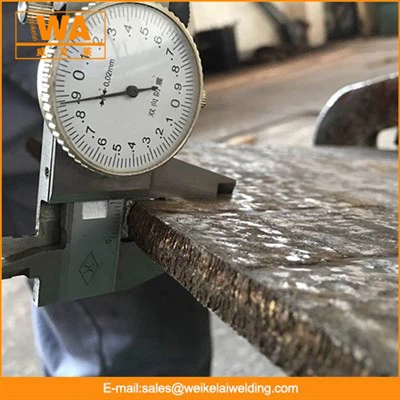
As a wear liners supplier, I've witnessed firsthand the diverse challenges that different environments pose to these essential industrial components. Cold environments, in particular, present a unique set of circumstances that can significantly impact the performance of wear liners. In this blog post, I'll delve into the intricacies of how wear liners perform in cold settings, exploring the factors at play and the implications for industrial operations.
Understanding the Impact of Cold on Wear Liners
Cold environments can have a profound effect on the physical and mechanical properties of wear liners. One of the most significant factors is the change in material behavior due to low temperatures. Most materials become more brittle as the temperature drops, which can lead to an increased risk of cracking and fracturing. This is especially true for metallic wear liners, which rely on their ductility to absorb and dissipate energy during impact and abrasion.
When a wear liner is exposed to cold temperatures, the molecules in the material slow down, reducing their ability to move and deform. This results in a decrease in the material's toughness and an increase in its hardness. While increased hardness can sometimes be beneficial in terms of wear resistance, it also makes the material more prone to cracking under stress.
Another challenge posed by cold environments is the formation of ice and frost on the surface of the wear liners. This can create a slippery surface, reducing the effectiveness of the liner in preventing wear and damage. Additionally, the expansion and contraction of ice can cause further stress on the liner, potentially leading to cracking or delamination.


Types of Wear Liners and Their Performance in Cold Environments
Chromium Alloy Steel Mill Liners
Chromium Alloy Steel Mill Liners are a popular choice for industrial applications due to their high wear resistance and toughness. In cold environments, these liners can maintain their performance to a certain extent, thanks to the alloying elements present in the steel. Chromium, in particular, helps to improve the corrosion resistance of the liner, which is important in preventing the formation of rust and other forms of degradation.
However, like all metallic materials, chromium alloy steel mill liners are still susceptible to the effects of cold temperatures. The increased brittleness at low temperatures can make them more prone to cracking, especially if they are subjected to high impact or stress. To mitigate this risk, it's important to choose a liner with the appropriate hardness and toughness for the specific application and operating conditions.
Metallic Wear Liners
Metallic Wear Liners encompass a wide range of materials, including steel, iron, and aluminum. Each of these materials has its own unique properties and performance characteristics in cold environments.
Steel wear liners, for example, are known for their high strength and durability. However, they can become brittle at low temperatures, which can lead to cracking and failure. To improve their performance in cold environments, steel liners can be heat-treated or alloyed with other elements to increase their toughness and resistance to cracking.
Iron wear liners are another common choice, especially in applications where cost is a major factor. While iron is generally less expensive than steel, it is also more brittle and less resistant to wear. In cold environments, iron liners may be more prone to cracking and spalling, which can reduce their effectiveness in protecting the underlying equipment.
Aluminum wear liners are lightweight and corrosion-resistant, making them a popular choice for applications where weight is a concern. However, aluminum has a relatively low melting point and can become soft and deformable at high temperatures. In cold environments, aluminum liners may be more prone to cracking due to the increased brittleness of the material.
Conveyor Wear Liners
Conveyor Wear Liners are used to protect conveyor belts and other equipment from wear and damage. In cold environments, these liners face unique challenges due to the constant movement and friction involved in conveyor systems.
One of the main issues with conveyor wear liners in cold environments is the potential for ice and frost to build up on the surface of the liner. This can create a slippery surface, reducing the traction between the liner and the conveyor belt and increasing the risk of slippage and damage. To prevent this, conveyor wear liners can be designed with special surface textures or coatings to improve traction and reduce the formation of ice and frost.
Another challenge is the increased stress and wear on the liner due to the colder temperatures. As the material becomes more brittle, it may be more prone to cracking and tearing under the constant movement and impact of the conveyor system. To address this, conveyor wear liners can be made from materials with high toughness and flexibility, such as rubber or polyurethane.
Strategies for Optimizing Wear Liner Performance in Cold Environments
Material Selection
Choosing the right material for the wear liner is crucial in ensuring optimal performance in cold environments. As discussed earlier, different materials have different properties and performance characteristics at low temperatures. When selecting a wear liner, it's important to consider factors such as the specific application, the operating conditions, and the expected level of wear and impact.
For example, if the application involves high impact and abrasion, a chromium alloy steel mill liner may be a good choice. On the other hand, if weight is a concern, an aluminum wear liner may be more suitable. In some cases, a combination of different materials may be used to achieve the desired performance.
Design and Installation
The design and installation of the wear liner can also have a significant impact on its performance in cold environments. The liner should be designed to fit the specific equipment and application, with proper clearances and support to prevent excessive stress and movement.
During installation, it's important to follow the manufacturer's instructions carefully to ensure that the liner is installed correctly. This may include using the appropriate adhesives, fasteners, or welding techniques to secure the liner in place. Additionally, the liner should be inspected regularly to ensure that it is in good condition and free from damage or wear.
Maintenance and Monitoring
Regular maintenance and monitoring are essential for ensuring the long-term performance of wear liners in cold environments. This may include cleaning the liner to remove any ice, frost, or debris that may have accumulated on the surface. It's also important to inspect the liner for signs of damage or wear, such as cracks, chips, or spalling.
If any damage or wear is detected, the liner should be repaired or replaced as soon as possible to prevent further damage to the equipment. Additionally, the operating conditions of the equipment should be monitored to ensure that they are within the recommended range for the wear liner.
Conclusion
In conclusion, wear liners play a crucial role in protecting industrial equipment from wear and damage, especially in cold environments. However, the performance of wear liners in these settings can be significantly impacted by factors such as low temperatures, ice and frost formation, and increased stress and wear.
As a wear liners supplier, I understand the importance of providing high-quality products that are designed to perform in a variety of environments. By carefully selecting the right material, designing and installing the liner correctly, and implementing a regular maintenance and monitoring program, it's possible to optimize the performance of wear liners in cold environments and ensure the long-term reliability of industrial equipment.
If you're interested in learning more about our wear liners or discussing your specific application requirements, please don't hesitate to contact us. Our team of experts is always available to provide you with the information and support you need to make the right choice for your business.
References
- ASM Handbook, Volume 1: Properties and Selection: Irons, Steels, and High-Performance Alloys
- ASTM International Standards for Wear Testing and Evaluation
- Tribology Handbook, Second Edition