

Hey there! As a supplier of Chute Wear Liners, I've seen firsthand how these liners can have a huge impact on the flow pattern of materials in chutes. In this blog, I'm gonna break down the ins and outs of how chute wear liners affect material flow and why it matters for your operations.
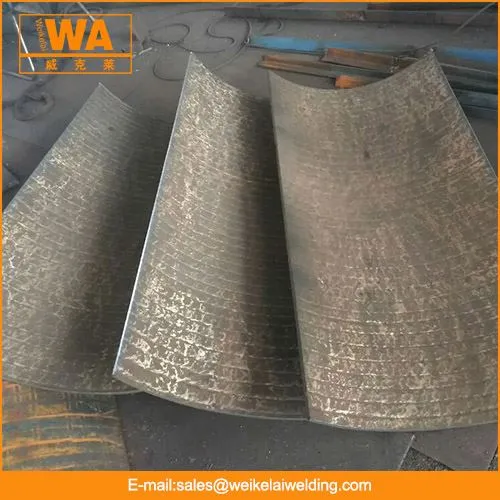
Let's start by understanding what chute wear liners are. Chute wear liners are basically protective layers installed inside chutes to prevent the chute walls from getting worn out by the constant flow of materials. They come in different materials and designs, each with its own set of properties that can influence how materials move through the chute.
One of the key ways chute wear liners affect material flow is through their surface smoothness. A smooth - surfaced liner allows materials to slide more easily along the chute walls. Think about it like this: if you're trying to push a box across a rough floor, it's gonna be a lot harder than pushing it across a smooth floor. The same principle applies to materials flowing in a chute. When the liner has a smooth surface, there's less friction between the material and the liner. This means that the material can maintain a more consistent speed and flow rate as it moves down the chute. For example, in a coal - handling chute, a smooth - surfaced Chute Wear Liners can help the coal particles slide down without getting stuck or creating blockages.
On the other hand, a rough - surfaced liner can cause the material to slow down and change direction more frequently. This might seem like a bad thing at first, but in some cases, it can actually be beneficial. For instance, in a chute where the material is moving too fast and causing excessive impact at the bottom, a rough - surfaced liner can act as a kind of brake. It can disrupt the flow pattern slightly, reducing the kinetic energy of the material and preventing damage to the chute and downstream equipment.
The shape of the chute wear liner also plays a big role in material flow. Liners with a curved or angled design can direct the material flow in a specific direction. This is really useful in situations where you need to control where the material goes. For example, in a mining operation, you might want to direct the ore towards a specific conveyor belt or processing unit. By installing liners with the right shape, you can guide the ore flow precisely. Some liners are designed with a spiral shape, which can create a swirling motion in the material. This swirling motion can help to mix the material more evenly as it moves through the chute, which is beneficial in processes where a homogeneous mixture is required.
Another factor is the material of the chute wear liner. Different materials have different coefficients of friction and wear resistance. For example, Chromium Alloy Steel Mill Liners are known for their high wear resistance. They can withstand the abrasion caused by hard and sharp materials like rocks and ores. However, they might have a relatively higher coefficient of friction compared to some other materials. This means that while they're great at protecting the chute from wear, they might also slow down the material flow a bit. On the other hand, polyethylene liners are very smooth and have a low coefficient of friction. They allow materials to flow very easily, but they might not be as durable in high - impact or abrasive environments.

The thickness of the chute wear liner can also affect material flow. A thicker liner can provide more protection to the chute walls, but it can also change the internal dimensions of the chute. If the liner is too thick, it can reduce the cross - sectional area of the chute, which might cause the material to back up and create blockages. On the contrary, a very thin liner might not offer enough protection against wear, and it could wear out quickly, leading to inconsistent material flow over time.
Now, let's talk about how these effects on material flow can impact your overall operations. When the material flow in a chute is smooth and consistent, it can improve the efficiency of your production process. You'll have fewer blockages, which means less downtime for maintenance and cleaning. This can lead to increased productivity and lower operating costs. For example, in a cement plant, a well - designed chute with the right wear liners can ensure that the cement powder flows smoothly from the silo to the packaging area, reducing the chances of clogs and ensuring a steady supply for packaging.
In addition, proper material flow can also improve the quality of your end product. When the material is mixed evenly and flows in a controlled manner, it can result in a more uniform product. This is especially important in industries like food processing and pharmaceuticals, where product consistency is crucial.
Moreover, by choosing the right chute wear liners, you can extend the lifespan of your chutes. Since the liners protect the chute walls from wear and tear, you won't have to replace the chutes as often. This not only saves you money on equipment replacement but also reduces the environmental impact associated with manufacturing and disposing of new chutes.
If you're looking to optimize the material flow in your chutes, it's important to consider all these factors. You need to assess the type of material you're handling, the flow rate, the impact forces, and the environmental conditions. Based on these factors, you can choose the most suitable Wear Protection Linings for your chutes.
As a chute wear liner supplier, I've helped many customers find the perfect liners for their specific needs. Whether you're in the mining, cement, food, or any other industry, we can provide you with high - quality liners that will improve the flow pattern of your materials and enhance the performance of your chutes.
If you're interested in learning more about how our chute wear liners can benefit your operations or if you want to discuss your specific requirements, don't hesitate to reach out. We're here to help you make the best choice for your business and ensure that your chutes are operating at their best.
References
- Smith, J. (2018). The Impact of Wear Liners on Material Flow in Industrial Chutes. Journal of Industrial Engineering.
- Johnson, A. (2019). Optimization of Chute Design for Improved Material Handling. Proceedings of the International Conference on Material Handling.
- Brown, K. (2020). Wear Resistance and Material Flow: A Comparative Study of Different Chute Liner Materials. Wear Science Review.



