

Conveyor systems are the backbone of many industries, facilitating the smooth and efficient movement of materials. At the heart of these systems are conveyor wear liners, which play a crucial role in protecting the conveyor structure from abrasion, impact, and corrosion. One common question that arises among users and potential buyers is whether conveyor wear liners require lubrication. In this blog post, I'll draw on my experience as a supplier of Conveyor Wear Liners to explore this topic in detail.
Understanding Conveyor Wear Liners
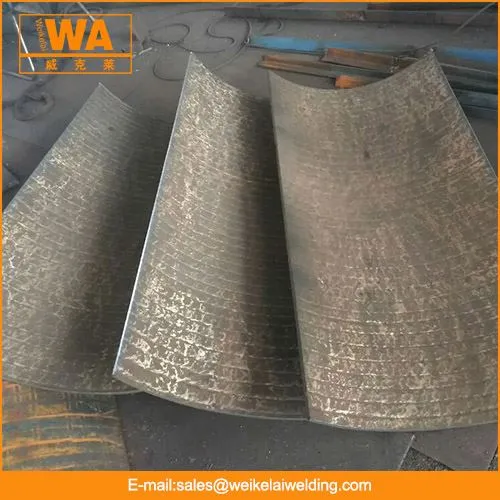
Before delving into the lubrication question, it's essential to understand what conveyor wear liners are and how they function. Conveyor wear liners are protective materials installed on the conveyor surface to minimize wear and tear. They are made from a variety of materials, including rubber, polyurethane, ceramic, and steel, each offering unique properties and benefits.
Rubber liners are known for their flexibility, shock absorption, and resistance to abrasion. They are ideal for applications where the conveyed material is soft or sticky. Polyurethane liners, on the other hand, offer high abrasion resistance and excellent chemical resistance. They are often used in harsh environments where the conveyor is exposed to chemicals or extreme temperatures.
Ceramic liners are extremely hard and offer superior abrasion resistance. They are suitable for applications where the conveyed material is abrasive, such as mining and quarrying. Steel liners, particularly Chromium Alloy Steel Mill Liners, are known for their high strength and durability. They are commonly used in heavy-duty applications where the conveyor is subjected to high impact and abrasion.
The Role of Lubrication in Conveyor Systems
Lubrication is a well-established practice in many mechanical systems. It reduces friction between moving parts, prevents wear and tear, and extends the lifespan of the equipment. In conveyor systems, lubrication can be applied to various components, such as bearings, chains, and gears, to ensure smooth operation.
However, when it comes to conveyor wear liners, the need for lubrication is not as straightforward. In some cases, lubrication may not be necessary or may even have a negative impact on the performance of the wear liners.
Factors Affecting the Need for Lubrication
Several factors determine whether conveyor wear liners require lubrication. These include the type of material being conveyed, the operating conditions, and the type of wear liner used.
Type of Material Being Conveyed
If the material being conveyed is dry and non-sticky, such as grains or powders, lubrication may not be necessary. In fact, applying lubrication to the wear liners in such cases can attract dust and debris, leading to increased wear and potential blockages in the conveyor system.
On the other hand, if the material is wet, sticky, or has a high moisture content, lubrication may be beneficial. Lubrication can help reduce the adhesion of the material to the wear liners, preventing buildup and ensuring smooth flow.
Operating Conditions
The operating conditions of the conveyor system also play a significant role in determining the need for lubrication. In high-temperature environments, lubrication can help reduce friction and prevent overheating of the wear liners. In cold environments, lubrication can prevent the wear liners from becoming brittle and cracking.

However, in dusty or dirty environments, lubrication can attract dust and dirt, which can cause abrasion and damage to the wear liners. In such cases, it may be necessary to use a lubricant that is resistant to dust and dirt or to implement a regular cleaning and maintenance schedule.
Type of Wear Liner
The type of wear liner used also affects the need for lubrication. Some wear liners, such as rubber and polyurethane, have inherent self-lubricating properties. These materials have a low coefficient of friction, which reduces the need for external lubrication.
Other wear liners, such as ceramic and steel, may require lubrication to reduce friction and prevent wear. However, it's important to choose a lubricant that is compatible with the wear liner material to avoid chemical reactions or damage.
Advantages and Disadvantages of Lubricating Conveyor Wear Liners
Like any maintenance practice, lubricating conveyor wear liners has its advantages and disadvantages.
Advantages
- Reduced Friction: Lubrication can significantly reduce friction between the conveyed material and the wear liners, resulting in smoother operation and reduced energy consumption.
- Extended Lifespan: By reducing wear and tear, lubrication can extend the lifespan of the wear liners, reducing the frequency of replacement and maintenance costs.
- Improved Material Flow: In cases where the conveyed material is sticky or has a high moisture content, lubrication can help improve material flow and prevent blockages.
Disadvantages
- Contamination: Lubrication can attract dust, dirt, and other contaminants, which can cause abrasion and damage to the wear liners.
- Chemical Reactions: Some lubricants may react with the wear liner material, causing degradation or damage.
- Increased Maintenance: Lubrication requires regular application and monitoring, which can increase maintenance costs and downtime.
Best Practices for Lubricating Conveyor Wear Liners
If you determine that lubrication is necessary for your conveyor wear liners, it's important to follow best practices to ensure optimal performance and longevity.
- Choose the Right Lubricant: Select a lubricant that is compatible with the wear liner material and the operating conditions. Consider factors such as temperature, humidity, and the type of material being conveyed.
- Apply the Lubricant Correctly: Follow the manufacturer's instructions for applying the lubricant. Use the recommended amount and apply it evenly to the wear liners.
- Monitor the Lubrication: Regularly monitor the lubrication levels and the condition of the wear liners. Look for signs of wear, damage, or contamination, and take appropriate action if necessary.
- Clean the Wear Liners: Regularly clean the wear liners to remove dust, dirt, and other contaminants. This can help prevent abrasion and damage and ensure the effectiveness of the lubrication.
Conclusion
In conclusion, the need for lubrication of conveyor wear liners depends on several factors, including the type of material being conveyed, the operating conditions, and the type of wear liner used. While lubrication can offer several benefits, such as reduced friction and extended lifespan, it also has its drawbacks, such as contamination and increased maintenance.
As a supplier of Conveyor Wear Liners, we can provide you with expert advice on whether lubrication is necessary for your specific application. We also offer a wide range of Wear Protection Linings to meet your specific needs.
If you're interested in learning more about our conveyor wear liners or have any questions about lubrication, please don't hesitate to contact us. We're here to help you find the best solution for your conveyor system.
References
- Manufacturer's specifications and guidelines for conveyor wear liners.
- Industry research and studies on conveyor system maintenance and lubrication.
- Practical experience and case studies from various industries.



