
As a supplier of Wear Steel Plate, one question that I often get asked is whether wear steel plates can be welded. Welding is a common fabrication process used in many industries, and understanding the weldability of wear steel plates is crucial for various applications. In this blog post, I'll dive deep into the topic to provide you with a comprehensive answer.
What is Wear Steel Plate?
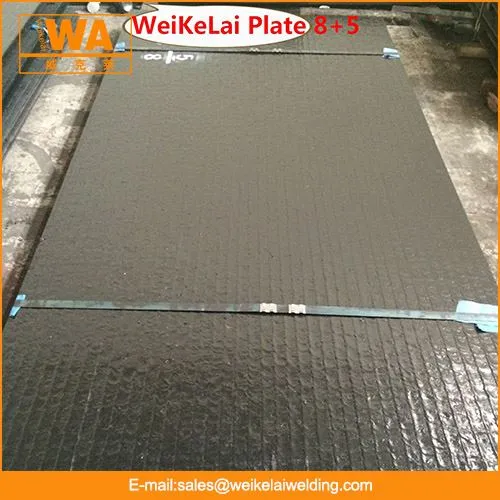
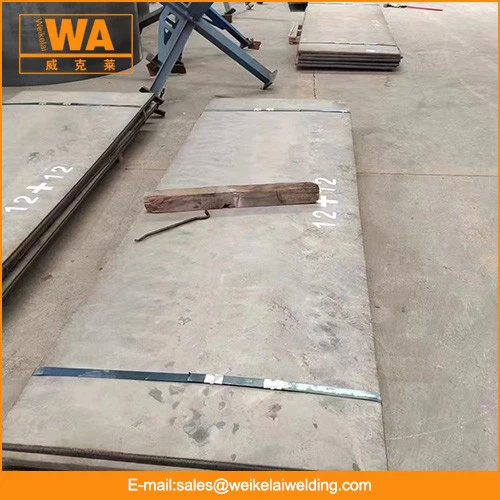
Before discussing weldability, let's briefly define wear steel plate. Wear steel plates, also known as Abrasion Resistant Steel, are specifically designed to withstand wear and abrasion. They are commonly used in industries such as mining, construction, agriculture, and manufacturing, where equipment is exposed to harsh conditions. These plates typically have high hardness and toughness, which allows them to resist the effects of friction, impact, and erosion.
Factors Affecting Weldability
The weldability of wear steel plates depends on several factors, including the chemical composition, hardness, and thickness of the plate.
Chemical Composition
The chemical composition of wear steel plates plays a significant role in their weldability. Most wear steel plates contain alloying elements such as carbon, manganese, chromium, nickel, and molybdenum, which enhance their hardness and wear resistance. However, these alloying elements can also affect the weldability of the plate. For example, high carbon content can increase the risk of cracking during welding, while certain alloying elements can form hard and brittle phases in the heat-affected zone (HAZ).
Hardness
The hardness of wear steel plates is another important factor to consider. Wear steel plates are typically heat-treated to achieve high hardness levels, which can make them more difficult to weld. Welding a hard steel plate can lead to the formation of martensite in the HAZ, which is a hard and brittle phase that can increase the risk of cracking. Therefore, it's essential to select the appropriate welding process and parameters to minimize the formation of martensite and ensure a sound weld.
Thickness
The thickness of the wear steel plate also affects its weldability. Thicker plates require more heat input during welding, which can increase the risk of distortion and cracking. Additionally, thicker plates may require preheating and post-weld heat treatment to reduce the risk of cracking and improve the mechanical properties of the weld.
Welding Processes for Wear Steel Plates
Several welding processes can be used to weld wear steel plates, including shielded metal arc welding (SMAW), gas metal arc welding (GMAW), flux-cored arc welding (FCAW), and submerged arc welding (SAW). Each welding process has its advantages and disadvantages, and the choice of welding process depends on several factors, such as the thickness of the plate, the type of joint, and the welding position.
Shielded Metal Arc Welding (SMAW)
SMAW, also known as stick welding, is a popular welding process for welding wear steel plates. It is a versatile process that can be used in various welding positions and is suitable for welding thick plates. SMAW uses a consumable electrode coated with a flux that provides shielding gas and helps to control the welding process. However, SMAW has a relatively low welding speed and requires frequent electrode changes, which can reduce productivity.
Gas Metal Arc Welding (GMAW)
GMAW, also known as MIG welding, is a fast and efficient welding process for welding wear steel plates. It uses a continuous wire electrode and a shielding gas to protect the weld from atmospheric contamination. GMAW is suitable for welding thin to medium-thick plates and can be used in various welding positions. However, GMAW requires a more complex welding equipment and is more sensitive to changes in welding parameters than SMAW.
Flux-Cored Arc Welding (FCAW)
FCAW is a variation of GMAW that uses a tubular wire electrode filled with flux. The flux provides shielding gas and helps to control the welding process, eliminating the need for an external shielding gas. FCAW is a versatile welding process that can be used in various welding positions and is suitable for welding thick plates. It has a higher welding speed than SMAW and is less sensitive to changes in welding parameters than GMAW.
Submerged Arc Welding (SAW)
SAW is a high-productivity welding process for welding thick wear steel plates. It uses a continuous wire electrode and a granular flux to cover the weld, providing excellent shielding and preventing the formation of porosity. SAW is suitable for welding long seams and can be automated for high-volume production. However, SAW requires a more complex welding equipment and is limited to flat or horizontal welding positions.
Welding Procedures and Precautions
To ensure successful welding of wear steel plates, it's essential to follow proper welding procedures and take appropriate precautions. Here are some general guidelines:
Preheating
Preheating the wear steel plate before welding can help to reduce the risk of cracking by reducing the cooling rate in the HAZ. The preheating temperature depends on the thickness of the plate, the type of steel, and the welding process. Typically, preheating temperatures range from 100°C to 300°C (212°F to 572°F).
Welding Parameters
Selecting the appropriate welding parameters is crucial for achieving a sound weld. The welding parameters include the welding current, voltage, welding speed, and electrode or wire diameter. These parameters should be adjusted based on the thickness of the plate, the type of joint, and the welding process.
Post-Weld Heat Treatment (PWHT)
PWHT can help to relieve residual stresses and improve the mechanical properties of the weld. The PWHT temperature and time depend on the type of steel and the thickness of the plate. Typically, PWHT temperatures range from 550°C to 650°C (1022°F to 1202°F) for a few hours.
Welding Consumables
Using the appropriate welding consumables is essential for achieving a sound weld. The welding consumables should have a similar chemical composition to the base metal to ensure good compatibility. Additionally, the welding consumables should be selected based on the welding process and the type of joint.
Conclusion
In conclusion, wear steel plates can be welded, but it requires careful consideration of several factors, including the chemical composition, hardness, and thickness of the plate, as well as the welding process and parameters. By following proper welding procedures and taking appropriate precautions, it's possible to achieve a sound weld with good mechanical properties.
If you're in the market for Wear Steel Plate or Smooth Wear Plate, I encourage you to reach out to us. We are a leading supplier of high-quality wear steel plates and can provide you with the products and technical support you need. Whether you have questions about weldability or need assistance with your specific application, our team of experts is here to help. Contact us today to discuss your requirements and start the procurement process.
References
- AWS D1.1/D1.1M:2020, Structural Welding Code - Steel
- ASME Boiler and Pressure Vessel Code, Section IX, Welding and Brazing Qualifications
- Welding Handbook, Volume 1: Welding Science and Technology, American Welding Society