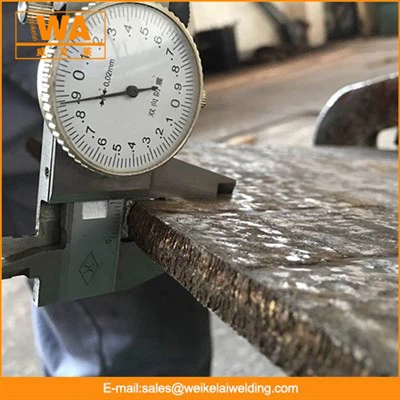
In the dynamic landscape of the textile industry, the pursuit of efficiency and sustainability is a continuous journey. One often overlooked but crucial aspect is the selection of appropriate pipes for various processes. Can wear-resistant pipes be a game-changer in this industry? As a Wear Resistant Pipe supplier, I am well-positioned to explore this question and shed light on the potential benefits and applications of these pipes in textile manufacturing.
Understanding the Textile Industry's Pipe Requirements
The textile industry encompasses a wide range of processes, from fiber production to fabric finishing. Each stage involves the handling of different materials, including water, chemicals, and fibers, which can pose unique challenges to the pipes used in the system. Corrosion, abrasion, and clogging are common issues that can lead to reduced efficiency, increased maintenance costs, and even production downtime.
For instance, in the dyeing and finishing processes, pipes are exposed to harsh chemicals and high temperatures, which can cause corrosion and damage over time. In addition, the flow of fibers and other particulate matter can create abrasion inside the pipes, leading to wear and tear. These problems not only affect the performance of the pipes but also impact the quality of the textile products.
The Advantages of Wear-Resistant Pipes
Wear-resistant pipes are designed to withstand the harsh conditions of industrial applications, making them an ideal choice for the textile industry. These pipes are typically made from high-strength materials, such as stainless steel, ceramic, or composite materials, which offer excellent resistance to abrasion, corrosion, and erosion.
One of the primary advantages of wear-resistant pipes is their long service life. Compared to traditional pipes, which may need to be replaced frequently due to wear and tear, wear-resistant pipes can last significantly longer, reducing the need for frequent maintenance and replacement. This not only saves costs but also minimizes production downtime, ensuring continuous and efficient operation.
In addition to their durability, wear-resistant pipes also offer excellent flow characteristics. The smooth inner surface of these pipes reduces friction, allowing for a more efficient flow of fluids and materials. This can result in lower energy consumption and improved process efficiency, which is particularly important in a high-volume industry like textiles.
Another benefit of wear-resistant pipes is their resistance to corrosion. In the textile industry, pipes are often exposed to chemicals and other corrosive substances, which can cause damage and reduce the lifespan of the pipes. Wear-resistant pipes, however, are designed to resist corrosion, ensuring that they remain in good condition even in harsh environments.
Applications of Wear-Resistant Pipes in the Textile Industry
Wear-resistant pipes have a wide range of applications in the textile industry, including:

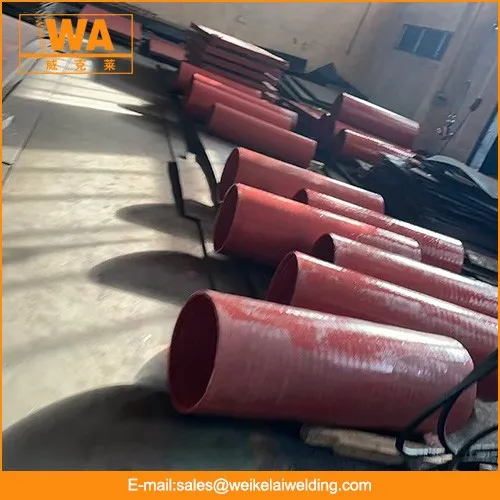
- Water Supply and Drainage: In textile manufacturing, large amounts of water are used for various processes, such as washing, dyeing, and finishing. Wear-resistant pipes can be used for water supply and drainage systems, ensuring a reliable and efficient flow of water. These pipes can also resist the corrosion caused by the chemicals and minerals present in the water, extending their service life.
- Chemical Delivery: The textile industry uses a variety of chemicals for dyeing, printing, and finishing processes. Wear-resistant pipes can be used to transport these chemicals safely and efficiently, preventing leaks and spills that can cause environmental damage and health hazards. The corrosion resistance of these pipes also ensures that the chemicals do not react with the pipes, maintaining the quality of the chemicals and the integrity of the system.
- Fiber Transport: In the spinning and weaving processes, fibers need to be transported from one machine to another. Wear-resistant pipes can be used for this purpose, providing a smooth and efficient flow of fibers. The abrasion resistance of these pipes prevents the fibers from getting damaged during transport, ensuring the quality of the final textile products.
- Exhaust Systems: Textile manufacturing processes often generate a significant amount of dust and fumes, which need to be removed from the production area for the safety and health of the workers. Wear-resistant pipes can be used in exhaust systems to transport the dust and fumes to the appropriate treatment facilities. These pipes can resist the abrasion caused by the dust particles and the corrosion caused by the fumes, ensuring the long-term performance of the exhaust system.
Types of Wear-Resistant Pipes for the Textile Industry
As a Wear Resistant Pipe supplier, I offer a variety of wear-resistant pipes to meet the specific needs of the textile industry. Some of the most common types of wear-resistant pipes include:
- Wear Resistant Pipe: These pipes are made from high-strength materials and are designed to withstand the harsh conditions of industrial applications. They offer excellent resistance to abrasion, corrosion, and erosion, making them suitable for a wide range of applications in the textile industry.
- Wear Resistant Straight Pipe: These pipes are straight in shape and are ideal for applications where a linear flow of fluids or materials is required. They are available in various sizes and thicknesses to meet the specific requirements of the textile industry.
- Cco Abrasion Pipe: These pipes are specifically designed to resist abrasion and are made from a composite material that combines the properties of ceramic and metal. They offer excellent wear resistance and are suitable for applications where the pipes are exposed to high-velocity particles or slurries.
Making the Right Choice
When selecting wear-resistant pipes for the textile industry, it is important to consider several factors, including the type of material being transported, the operating conditions, and the specific requirements of the application. For example, if the pipes are used to transport chemicals, it is important to choose a pipe material that is resistant to the specific chemicals being used. Similarly, if the pipes are exposed to high temperatures or pressures, it is important to choose a pipe material that can withstand these conditions.
In addition to the material selection, it is also important to consider the quality and reliability of the pipe supplier. A reputable supplier will offer high-quality wear-resistant pipes that meet the relevant industry standards and specifications. They will also provide technical support and after-sales service to ensure that the pipes are installed and maintained correctly.
Contact for Procurement and Consultation
If you are in the textile industry and are looking for high-quality wear-resistant pipes, I invite you to contact me. As a Wear Resistant Pipe supplier, I have extensive experience and expertise in providing solutions for the textile industry. I can help you select the right type of wear-resistant pipes for your specific needs and provide you with competitive pricing and excellent customer service.
Whether you are looking to upgrade your existing pipe system or install a new one, I am here to assist you. Contact me today to discuss your requirements and get a free quote. Let's work together to improve the efficiency and sustainability of your textile manufacturing processes.
References
- "Textile Manufacturing Processes: An Overview." Textile Institute.
- "Wear-Resistant Materials and Their Applications in Industrial Pipes." Journal of Materials Science and Technology.
- "Corrosion and Protection in the Textile Industry." Corrosion Science.