In the realm of modern manufacturing, the performance and longevity of printing equipment are of utmost importance. As a dedicated supplier of wear-resistant alloys, I am often asked whether these specialized materials can be effectively utilized in printing equipment. In this blog post, I will delve into this question, exploring the potential applications, benefits, and considerations of using wear-resistant alloys in the printing industry.
Understanding Wear-Resistant Alloys
Before we discuss their application in printing equipment, it's essential to understand what wear-resistant alloys are. Wear-resistant alloys are materials engineered to withstand abrasion, erosion, and other forms of wear. They typically consist of a base metal, such as steel or iron, combined with alloying elements like chromium, nickel, molybdenum, and tungsten. These alloying elements enhance the material's hardness, toughness, and resistance to wear, making it suitable for demanding applications.
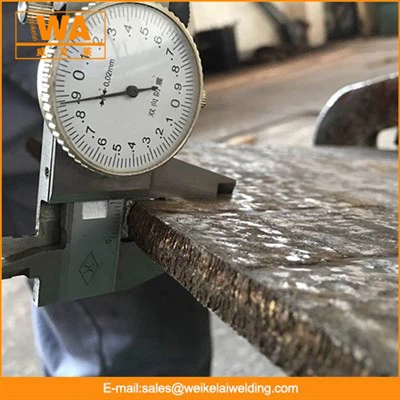
There are several types of wear-resistant alloys available, each with its unique properties and applications. For instance, Smooth Wear Plate is known for its smooth surface finish, which reduces friction and wear. Wear Resistant Steel Plate offers high strength and excellent wear resistance, making it ideal for heavy-duty applications. Chromium Carbide Coating provides a hard and durable surface that can significantly extend the lifespan of components.
Potential Applications in Printing Equipment
Printing equipment is subject to various forms of wear, including abrasion from paper and ink, impact from moving parts, and corrosion from chemicals. Wear-resistant alloys can be used in several key components of printing equipment to enhance their performance and durability.
Printing Cylinders
Printing cylinders are one of the most critical components of a printing press. They transfer ink from the ink fountain to the printing plate and then to the paper. Over time, the surface of the printing cylinders can wear out due to the constant contact with paper and ink, leading to reduced print quality and increased downtime. By using wear-resistant alloys in the construction of printing cylinders, we can improve their wear resistance and extend their service life. For example, a chromium carbide-coated printing cylinder can withstand the abrasive action of paper and ink, maintaining its smooth surface and precise dimensions for a longer period.
Ink Rollers
Ink rollers are responsible for distributing ink evenly across the printing plate. They are constantly in contact with the ink, which can contain abrasive particles and chemicals. Wear-resistant alloys can be used to manufacture ink rollers that are more resistant to wear and corrosion. A roller made from a wear-resistant steel alloy can resist the abrasive action of the ink and the mechanical stress of rotation, ensuring consistent ink distribution and high-quality prints.
Paper Feeders
Paper feeders are used to transport paper from the stack to the printing press. The moving parts of the paper feeder, such as the rollers and guides, are subject to wear from the friction of the paper. Wear-resistant alloys can be applied to these components to reduce wear and improve the reliability of the paper feeding system. For instance, a smooth wear plate can be used as a guide surface to minimize friction and prevent paper jams.
Benefits of Using Wear-Resistant Alloys in Printing Equipment
The use of wear-resistant alloys in printing equipment offers several significant benefits.
Extended Service Life
One of the primary advantages of using wear-resistant alloys is the extended service life of the components. By reducing wear and tear, these alloys can significantly increase the time between component replacements, reducing downtime and maintenance costs. For example, a printing cylinder made from a wear-resistant alloy may last several times longer than a traditional cylinder, resulting in substantial savings over the long term.
Improved Print Quality
Wear-resistant alloys can also contribute to improved print quality. Components that are less prone to wear maintain their precise dimensions and surface finish, ensuring consistent ink transfer and paper handling. This leads to sharper images, more accurate colors, and fewer printing defects.


Reduced Maintenance Costs
With longer service life and fewer component replacements, the maintenance costs associated with printing equipment can be significantly reduced. Additionally, wear-resistant alloys often require less frequent cleaning and lubrication, further reducing maintenance requirements.
Enhanced Equipment Reliability
The use of wear-resistant alloys can improve the reliability of printing equipment. Components that are more resistant to wear are less likely to fail unexpectedly, reducing the risk of production disruptions and ensuring a more consistent production process.
Considerations When Using Wear-Resistant Alloys
While wear-resistant alloys offer many benefits, there are also some considerations to keep in mind when using them in printing equipment.
Cost
Wear-resistant alloys are generally more expensive than traditional materials. However, it's important to consider the long-term cost savings associated with their use. The extended service life and reduced maintenance costs can often offset the higher initial investment.
Compatibility
When selecting wear-resistant alloys for printing equipment, it's crucial to ensure compatibility with the other materials and chemicals used in the printing process. Some alloys may react with certain inks or cleaning agents, leading to corrosion or other problems. It's essential to consult with a materials expert to choose the most suitable alloy for the specific application.
Machinability
Some wear-resistant alloys can be difficult to machine due to their high hardness. This may require specialized machining techniques and tools, which can increase the manufacturing cost. However, advancements in machining technology have made it possible to work with these alloys more efficiently.
Conclusion
In conclusion, wear-resistant alloys can be effectively used in printing equipment to enhance performance, durability, and print quality. By choosing the right alloy for each component and considering the associated costs and compatibility issues, printing companies can achieve significant savings and improve the reliability of their equipment.
As a supplier of wear-resistant alloys, I am committed to providing high-quality materials and technical support to the printing industry. If you are interested in exploring the use of wear-resistant alloys in your printing equipment or have any questions about our products, please feel free to contact us. We look forward to discussing your specific needs and helping you find the best solutions for your printing applications.
References
- ASM Handbook Volume 13A: Corrosion: Fundamentals, Testing, and Protection. ASM International.
- Callister, W. D., & Rethwisch, D. G. (2012). Materials Science and Engineering: An Introduction. Wiley.
- Schmid, S. R., & Newby, B. M. (2000). Wear and Erosion: Prevention and Prediction. ASM International.