Can Wear Liners Be Used in the Textile Industry?
In the dynamic landscape of industrial manufacturing, the textile industry stands as a pillar of global commerce, renowned for its continuous innovation and adaptability. As a leading supplier of wear liners, I've often pondered the potential applications of our products within this vibrant sector. Wear liners, traditionally associated with heavy industries such as mining, construction, and manufacturing, offer a range of benefits that could significantly enhance the efficiency, durability, and productivity of textile production processes. In this blog post, we'll explore the feasibility and advantages of using wear liners in the textile industry, shedding light on how these versatile components can revolutionize the way textiles are made.
Understanding Wear Liners
Before delving into their potential applications in the textile industry, it's essential to understand what wear liners are and how they function. Wear liners are protective materials designed to line the interior surfaces of equipment and machinery, shielding them from abrasion, corrosion, impact, and other forms of wear and tear. They come in a variety of materials, including rubber, polyurethane, ceramic, and metallic alloys, each offering unique properties and benefits tailored to specific applications.
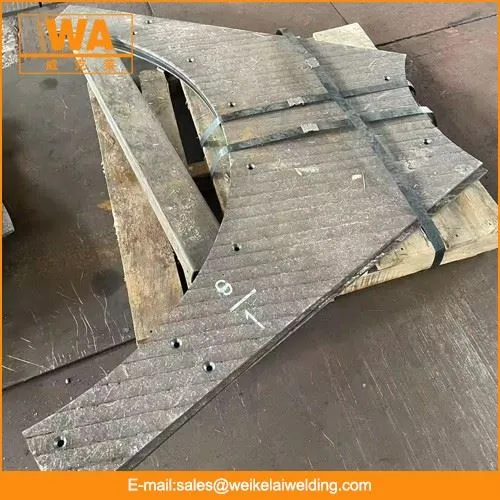

For instance, Conveyor Wear Liners are commonly used in conveyor systems to protect the belts and rollers from damage caused by friction, impact, and material abrasion. These liners are typically made of high-strength rubber or polyurethane, which provide excellent resistance to wear and tear, as well as good flexibility and shock absorption. On the other hand, Chromium Alloy Steel Mill Liners are designed for use in grinding mills and other high-impact applications, where they offer superior hardness, toughness, and resistance to corrosion.
Potential Applications of Wear Liners in the Textile Industry
The textile industry encompasses a wide range of processes, from fiber production and spinning to weaving, knitting, and finishing. Each of these processes involves the use of various types of equipment and machinery, many of which are subject to significant wear and tear over time. Here are some potential applications of wear liners in the textile industry:
Spinning and Twisting Machines
In spinning and twisting machines, wear liners can be used to protect the moving parts, such as the spindles, bobbins, and guide rails, from abrasion and wear. This can help to extend the lifespan of the equipment, reduce maintenance costs, and improve the quality of the yarn produced. For example, metallic wear liners can be used to line the spindles, providing a smooth and durable surface that minimizes friction and prevents the yarn from breaking or snagging.
Weaving and Knitting Machines
Weaving and knitting machines are complex pieces of equipment that require precise alignment and smooth operation to produce high-quality fabrics. Wear liners can be used to protect the shuttle, needles, and other components from damage caused by friction, impact, and abrasion. This can help to improve the efficiency and productivity of the machines, as well as reduce the risk of downtime and costly repairs. For instance, ceramic wear liners can be used to line the shuttle guides, providing excellent wear resistance and low friction, which allows the shuttle to move smoothly through the fabric.
Dyeing and Finishing Equipment
Dyeing and finishing equipment, such as dye vats, dryers, and calenders, are exposed to harsh chemicals, high temperatures, and abrasive materials, which can cause significant wear and corrosion over time. Wear liners can be used to protect the interior surfaces of these equipment, such as the tanks, rollers, and conveyor belts, from damage and extend their lifespan. For example, rubber wear liners can be used to line the dye vats, providing excellent resistance to chemicals and abrasion, as well as good flexibility and sealing properties.
Conveyor Systems
Conveyor systems are an essential part of the textile production process, used to transport raw materials, semi-finished products, and finished goods between different stages of production. Wear liners can be used to protect the conveyor belts and rollers from damage caused by friction, impact, and material abrasion. This can help to improve the efficiency and reliability of the conveyor systems, as well as reduce the risk of downtime and costly repairs. For instance, Metallic Wear Liners can be used to line the conveyor rollers, providing excellent wear resistance and high load-bearing capacity.
Advantages of Using Wear Liners in the Textile Industry
The use of wear liners in the textile industry offers several advantages, including:
Improved Equipment Durability
By protecting the equipment from wear and tear, wear liners can significantly extend its lifespan, reducing the need for frequent replacement and maintenance. This can help to save costs in the long run and improve the overall efficiency of the production process.
Enhanced Product Quality
Wear liners can help to improve the quality of the textiles produced by reducing the risk of damage to the yarn, fabric, or finished product. This can result in fewer defects, better consistency, and higher customer satisfaction.
Increased Productivity
By reducing downtime and improving the reliability of the equipment, wear liners can help to increase the productivity of the textile production process. This can lead to higher output, faster turnaround times, and increased profitability.
Reduced Environmental Impact
The use of wear liners can help to reduce the environmental impact of the textile industry by extending the lifespan of the equipment and reducing the need for frequent replacement. This can help to conserve resources and reduce waste.
Conclusion
In conclusion, wear liners have the potential to play a significant role in the textile industry, offering a range of benefits that can help to improve the efficiency, durability, and productivity of the production process. As a wear liners supplier, we are committed to providing high-quality products and solutions that meet the specific needs of our customers in the textile industry. If you're interested in learning more about how wear liners can benefit your textile production process, please don't hesitate to contact us. We'd be happy to discuss your requirements and provide you with a customized solution.
References
- "Wear Liners: A Comprehensive Guide." Industrial Equipment Digest, 2023.
- "Textile Manufacturing Processes: An Overview." Textile World, 2022.
- "Advantages of Using Wear Liners in Industrial Applications." Engineering Journal, 2021.