Can Overlay Wear Plates be used in marine equipment?
Hey there! I'm a supplier of overlay wear plates, and I often get asked if these plates can be used in marine equipment. Well, let's dive right into it and explore this topic.
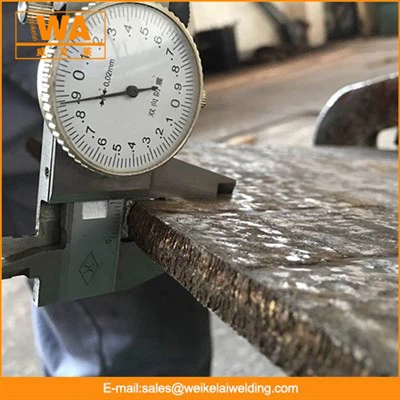
First off, what are overlay wear plates? Overlay wear plates are basically plates that have a hardfacing layer on them. This hardfacing layer is applied through a special process, which gives the plate enhanced wear resistance. You can check out more about Wear Resistant Metals on our website.
Now, when it comes to marine equipment, there are some unique challenges. The marine environment is tough - it's full of saltwater, which is highly corrosive. There are also constant impacts from waves, debris, and even marine life. So, can overlay wear plates stand up to all this?


The answer is yes, they can! One of the main reasons is the hardfacing layer. This layer is designed to be extremely tough and resistant to wear. Whether it's the abrasive action of sand and sediment in the water or the impact from waves, the hardfacing layer can take a beating. For more details on the Hardfacing Processed Plate, just click the link.
Let's talk about corrosion. Saltwater is a major enemy of most metals. But overlay wear plates are often made from materials that are more resistant to corrosion. Some of these plates have a special alloy composition in the hardfacing layer that helps protect against the corrosive effects of saltwater. This means that they can last longer in the marine environment compared to regular metal plates.
Another advantage of using overlay wear plates in marine equipment is their versatility. There are different types of overlay wear plates available, like the Smooth Wear Plate. Smooth wear plates can be used in areas where a smooth surface is required, such as on the hull of a ship to reduce drag. They can also be used in machinery parts within the ship, like pumps and valves, to protect against wear and tear.
In terms of specific marine applications, overlay wear plates can be used in a variety of places. On fishing vessels, they can be used on the deck to protect against the impact of heavy fishing gear and the abrasion from fish scales and nets. In offshore oil and gas platforms, overlay wear plates can be used on the legs of the platform to protect against the constant pounding of waves and the corrosion from saltwater.
Now, you might be wondering about the installation process. Installing overlay wear plates in marine equipment is not overly complicated. They can be welded or bolted onto the existing structure. Welding is often the preferred method as it provides a strong and permanent bond. However, it's important to have the installation done by professionals who have experience working with overlay wear plates in the marine environment.
When it comes to maintenance, overlay wear plates are relatively easy to maintain. Regular inspections are recommended to check for any signs of wear or damage. If there are any small areas of wear, they can often be repaired by re - applying a thin layer of hardfacing material. This helps to extend the lifespan of the plate and keep the marine equipment in good working condition.
But like any product, there are also some considerations. The cost of overlay wear plates can be higher compared to regular metal plates. However, when you consider the longer lifespan and the reduced need for frequent replacements, the overall cost - effectiveness can be quite good in the long run. Also, the weight of the overlay wear plates needs to be taken into account, especially in applications where weight is a critical factor, such as on small boats.
In conclusion, overlay wear plates can definitely be used in marine equipment. They offer excellent wear resistance, corrosion protection, and versatility. Whether you're in the fishing industry, the shipping industry, or the offshore oil and gas sector, overlay wear plates can be a great addition to your marine equipment.
If you're interested in learning more about our overlay wear plates or are thinking about using them in your marine equipment, don't hesitate to reach out. We're here to answer all your questions and help you find the right solution for your needs. Let's start a conversation and see how we can work together to improve the performance and durability of your marine equipment.
References
- General knowledge of wear - resistant materials and marine engineering.
- Industry reports on the use of overlay wear plates in various applications.