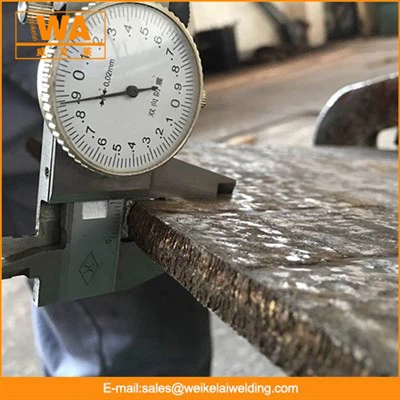
Can chute wear liners be used in wet environments? That's a question I get asked a lot as a supplier of Chute Wear Liners. And let me tell you, it's not a simple yes or no answer. There are a bunch of factors we gotta consider.
First off, what are chute wear liners anyway? Well, these bad boys are designed to protect chutes from the wear and tear caused by the flow of materials. They're like the bodyguards of your chutes, keeping them in tip - top shape. You can check out more about Chute Wear Liners on our website. And they're part of a broader category of Wear Protection Linings which also includes Conveyor Wear Liners.
Now, when it comes to wet environments, there are a few things that can go wrong if we're not careful. Water can be a real pain in the neck for chute wear liners. For starters, it can cause corrosion. If the liner is made of a metal or a material that's prone to rusting, water is gonna eat away at it over time. This can weaken the liner, making it less effective at protecting the chute.
Another issue is the effect of water on the friction between the liner and the material flowing through the chute. In a dry environment, the liner is designed to have a certain amount of friction to control the flow of materials. But when water gets involved, it can change that friction coefficient. Sometimes it can make the surface too slippery, which might lead to materials flowing too fast and causing more wear on the chute. On the other hand, it could also cause the materials to stick to the liner, clogging up the chute.
But hey, it's not all doom and gloom. There are ways to use chute wear liners in wet environments successfully. The key is to choose the right material. Some materials are more resistant to water and corrosion than others. For example, certain types of polymers are a great choice. They're non - metallic, so they don't rust. And they can maintain their properties even when they're wet.
Let's talk about some of the popular polymer materials for chute wear liners in wet conditions. UHMWPE (Ultra - High - Molecular - Weight Polyethylene) is one of my favorites. It has excellent wear resistance and is very slippery, which helps materials flow smoothly even in wet conditions. It's also resistant to chemicals and moisture, so it won't break down easily when exposed to water.
Another option is polyurethane. Polyurethane liners are tough as nails and can handle a lot of abuse. They have good elasticity, which means they can absorb shocks and impacts. And they're also resistant to water and abrasion. So, if you're dealing with a wet environment where there's a lot of heavy - duty material flow, polyurethane might be the way to go.
Installation is also crucial when using chute wear liners in wet environments. We need to make sure the liner is installed properly to prevent water from seeping behind it. If water gets trapped between the liner and the chute, it can cause all sorts of problems, like corrosion of the chute itself. We should use proper sealing techniques and make sure the liner fits snugly against the chute walls.

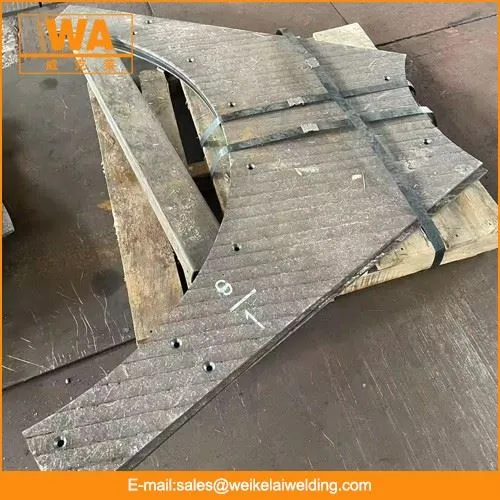
Maintenance is another important aspect. In a wet environment, we need to keep a closer eye on the liners. Regular inspections are a must. We should look for signs of corrosion, wear, or any damage to the liner. If we notice any issues, we need to address them right away. This might involve replacing a damaged section of the liner or applying a protective coating to prevent further corrosion.
Now, let's think about some real - world applications. There are plenty of industries that deal with wet materials and need chute wear liners. The mining industry is a big one. Mines often have to handle wet ores and tailings. These materials can be very abrasive, and the chutes are constantly exposed to water from rainfall or water used in the mining process. Using the right chute wear liners can significantly extend the lifespan of the chutes and reduce maintenance costs.
The food and beverage industry is another example. In this industry, there's a lot of cleaning and sanitation, which means the chutes are frequently exposed to water. We need liners that are food - grade and can withstand the wet conditions without contaminating the products. Polymer liners are a great choice here because they're non - toxic and easy to clean.
So, to sum it all up, yes, chute wear liners can be used in wet environments, but we need to be smart about it. We need to choose the right material, install it correctly, and maintain it properly. If we do all these things, we can ensure that the liners will do their job effectively and keep our chutes in good condition.
If you're in an industry that requires chute wear liners for wet environments and you're looking for a reliable supplier, don't hesitate to reach out. We've got a wide range of high - quality chute wear liners that are suitable for various wet conditions. Whether you need UHMWPE, polyurethane, or other types of liners, we can help you find the perfect solution for your needs. Let's have a chat and see how we can work together to protect your chutes and improve your operations.
References
- General knowledge about wear protection linings in industrial applications
- Technical data sheets of UHMWPE and polyurethane materials for chute liners