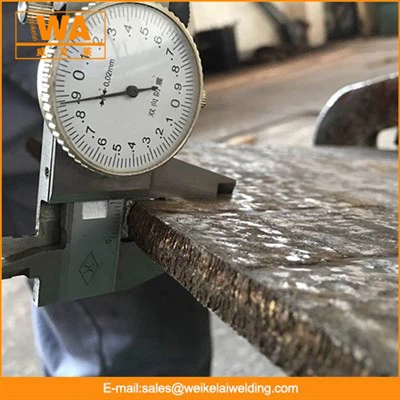
Can chute wear liners be used in cement plant chutes? That's a question I get asked a lot as a supplier of Chute Wear Liners. And the short answer is yes, they absolutely can! But let's dig a little deeper into why and how they work in the unique environment of a cement plant.
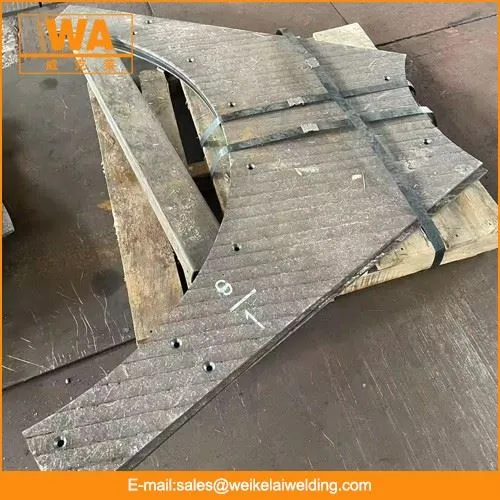
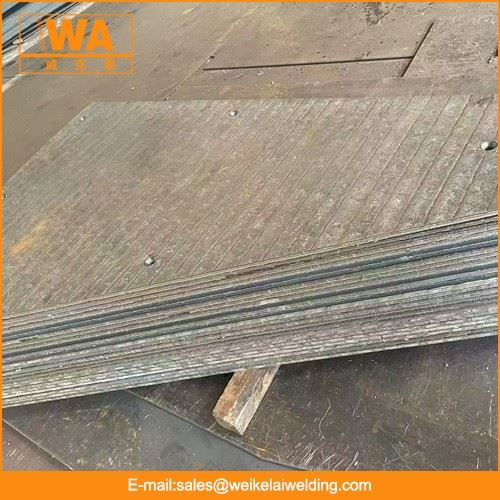
Understanding Cement Plant Chutes
First off, we need to understand what cement plant chutes are up against. Cement production is a tough business. These chutes are constantly bombarded with abrasive materials like limestone, clay, and cement clinker. The high - volume flow of these materials at high speeds creates a lot of wear and tear. The sharp edges of the particles can scrape and gouge the chute walls, and over time, this can lead to holes, leaks, and reduced efficiency.
The temperature in cement plants can also be a challenge. During the production process, there are areas where the temperature can soar. Chutes near kilns, for example, can experience extreme heat. This means that any wear liner used in these chutes needs to be able to withstand both high temperatures and abrasion.
How Chute Wear Liners Help
So, how do chute wear liners come to the rescue? Well, they act as a protective barrier between the abrasive materials and the chute walls. When you install a high - quality chute wear liner, you're essentially giving your chutes a suit of armor.
One of the key benefits is that they significantly extend the lifespan of the chutes. Instead of having to replace the entire chute due to wear, you can simply replace the worn - out liner. This not only saves money on replacement parts but also reduces downtime. In a cement plant, every hour of downtime can cost a fortune, so anything that can keep the production line running smoothly is a big plus.
Chute wear liners also improve the flow of materials through the chutes. They can be designed with a smooth surface, which reduces friction. This means that the cement materials can flow more freely, reducing the chances of blockages. Blockages in chutes can cause all sorts of problems, from production slowdowns to equipment damage.
Types of Chute Wear Liners for Cement Plants
There are different types of chute wear liners that can be used in cement plants. One popular option is Metallic Wear Liners. These liners are made from metals like stainless steel or high - alloy steels. They are known for their high strength and durability. Metallic wear liners can handle the high - impact forces that occur when large chunks of cement materials fall into the chutes. They also have good heat resistance, which makes them suitable for use in high - temperature areas of the cement plant.
Another option is non - metallic wear liners. These can be made from materials like ceramics or polymers. Ceramic wear liners are extremely hard and offer excellent abrasion resistance. They are often used in areas where the wear is particularly severe, such as the bottom of the chutes where the materials hit the hardest. Polymer wear liners, on the other hand, are lightweight and have good chemical resistance. They can be a good choice for chutes that are exposed to corrosive substances in addition to abrasion.
Installation and Maintenance
Installing chute wear liners in a cement plant is a job that needs to be done right. It's important to make sure that the liners are properly fitted and secured to the chute walls. Any gaps or loose fittings can lead to problems, such as the liner coming loose or the abrasive materials getting behind the liner and causing damage to the chute.
Regular maintenance is also crucial. You need to inspect the liners periodically to check for signs of wear. If you notice any areas that are starting to wear thin, it's a good idea to replace the liner before it fails completely. This proactive approach can prevent costly breakdowns and keep your cement plant running efficiently.
Other Considerations
In addition to the type of liner and installation, there are a few other things to consider when using chute wear liners in a cement plant. For example, the design of the chute itself can affect how well the liner performs. A well - designed chute will have a smooth and consistent flow path, which reduces the stress on the liner.
The operating conditions of the cement plant also play a role. If the plant is running at a high capacity or if the materials being processed are particularly abrasive, you may need to choose a more heavy - duty liner. It's also important to consider the compatibility of the liner with the cement materials. Some materials may react with certain types of liners, which can reduce their effectiveness.
Related Products: Conveyor Wear Liners
While we're talking about wear liners in cement plants, it's worth mentioning Conveyor Wear Liners. Conveyors are an important part of the cement production process, and they also face a lot of wear and tear. Conveyor wear liners work in a similar way to chute wear liners. They protect the conveyor belts and other components from the abrasive cement materials. By using high - quality conveyor wear liners, you can extend the lifespan of your conveyors and improve the overall efficiency of your cement plant.
Conclusion
In conclusion, chute wear liners are definitely a great option for cement plant chutes. They offer a cost - effective way to protect your chutes from abrasion, extend their lifespan, and improve the flow of materials. Whether you choose metallic or non - metallic liners, make sure to install them correctly and maintain them regularly. And don't forget about the importance of conveyor wear liners in keeping your entire cement production process running smoothly.
If you're in the cement industry and looking for reliable chute wear liners or conveyor wear liners, I'd love to have a chat with you. We can discuss your specific needs and find the best solution for your cement plant. Contact us to start the conversation about how our wear liners can benefit your operation.
References
- "Cement Plant Equipment Handbook"
- Industry reports on wear and tear in cement production facilities