Hey there, folks! As a supplier of Bimetal Wear Plate, I often get questions from customers about where our products can be used. One question that has come up a few times lately is, "Can bimetal wear plate be used in glass - manufacturing equipment?" I'm here to dig into this topic and share some insights with you.
The Basics of Bimetal Wear Plate
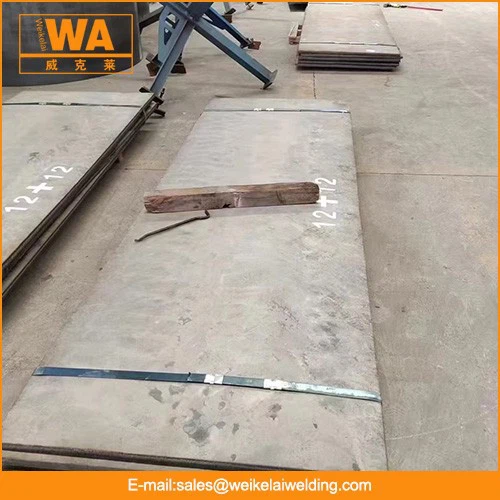
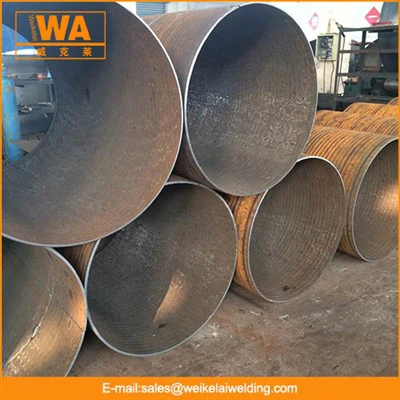
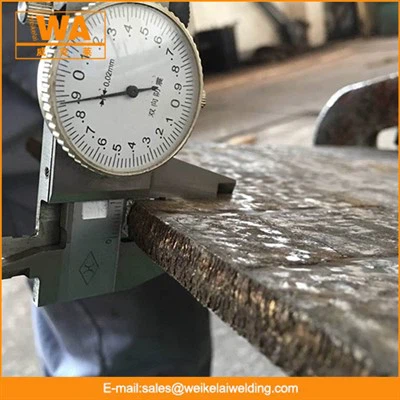
First off, let's talk a bit about what bimetal wear plate is. Bimetal wear plate is a composite material made by fusing two different metals together. Typically, one layer is a high - alloy wear - resistant metal, while the other is a more ductile base metal. This combination gives the plate excellent wear resistance while maintaining good toughness and weldability.
There are different types of bimetal wear plates available in our product line. For example, the Chromium Carbide Plate is well - known for its extreme hardness and abrasion resistance. The hard chromium carbide particles in the layer make it highly resistant to wear caused by abrasion, erosion, and impact. Then there's the Smooth Wear Plate, which has a smooth surface finish and is great for applications where a low - friction surface is required along with wear resistance. And the CCO Wear Plate offers a good balance of wear resistance, corrosion resistance, and high - temperature performance.
The Demands of Glass - Manufacturing Equipment
Glass manufacturing is a complex process that involves high temperatures, abrasive materials, and mechanical stresses. In a glass - manufacturing plant, equipment such as batch mixers, conveyor systems, chutes, and crushers are constantly in contact with raw materials like sand, soda ash, and limestone. These raw materials are abrasive and can cause significant wear and tear on the equipment over time.
High temperatures are also a major factor in glass manufacturing. The melting furnaces can reach temperatures of up to 1600°C or more. Equipment close to these furnaces needs to withstand not only the heat but also the thermal expansion and contraction cycles, which can lead to cracking and deformation if the material isn't up to the task.
Why Bimetal Wear Plate Could Be a Great Fit
Wear Resistance
One of the main attractions of using bimetal wear plate in glass - manufacturing equipment is its outstanding wear resistance. Take the Chromium Carbide Plate for example. The raw materials used in glass production, like sand, are highly abrasive. The chromium carbide layer in the bimetal plate can withstand the constant rubbing and scratching from these materials, significantly extending the lifespan of the equipment parts. This means less frequent replacement of components, which in turn reduces downtime and maintenance costs for the glass - manufacturing plant.
High - Temperature Performance
Some of our bimetal wear plates, such as the CCO Wear Plate, are designed to perform well at high temperatures. In a glass - manufacturing environment, where equipment is often exposed to extreme heat, these plates can maintain their mechanical properties. They resist thermal deformation and oxidation, ensuring that the equipment remains functional even under harsh conditions.
Toughness and Weldability
Bimetal wear plates have a tough base metal layer, which provides good structural integrity. This is important in glass - manufacturing equipment, where parts may be subject to mechanical shocks and vibrations. Additionally, the weldability of bimetal wear plates allows for easy fabrication and repair. If a component gets damaged, it can often be welded back together or a new piece of bimetal wear plate can be welded onto the existing equipment, saving both time and money.
Case Studies and Real - World Applications
We've received feedback from several glass - manufacturing customers who have used our bimetal wear plates. One customer was using a batch mixer that was constantly wearing out due to the abrasive nature of the raw materials. After replacing the mixer's lining with our Abrasion Resistant Steel Plate, they noticed a significant reduction in wear. The mixer was able to operate for much longer periods between maintenance, and the overall efficiency of the mixing process improved.
Another customer had issues with their conveyor chutes. The chutes were experiencing severe abrasion from the falling glass cullet and raw materials. By installing our Smooth Wear Plate, they were able to reduce the friction between the materials and the chute surface. This not only reduced wear but also improved the flow of materials through the chutes, preventing blockages and improving the overall productivity of the conveyor system.
Potential Challenges and Considerations
While bimetal wear plate offers many benefits for glass - manufacturing equipment, there are also some potential challenges to consider. One issue is the initial cost. Bimetal wear plates can be more expensive than traditional steel plates. However, when you factor in the longer lifespan and reduced maintenance costs, the return on investment can be quite high in the long run.
Another consideration is the compatibility with existing equipment. Before installing bimetal wear plates, it's important to ensure that they are a good fit for the specific equipment in terms of dimensions, mounting methods, and operating conditions. In some cases, minor modifications may be required to the equipment to accommodate the new plates.
Conclusion
So, can bimetal wear plate be used in glass - manufacturing equipment? The answer is a resounding yes! With its excellent wear resistance, high - temperature performance, toughness, and weldability, bimetal wear plate offers a great solution for the challenges faced by glass - manufacturing equipment.
If you're in the glass - manufacturing industry and are looking to improve the performance and longevity of your equipment, I encourage you to consider our bimetal wear plates. We have a wide range of products, including Chromium Carbide Plate, Smooth Wear Plate, CCO Wear Plate, Abrasion Resistant Steel, and Abrasion Resistant Steel Plate to meet your specific needs.
If you're interested in learning more or discussing a potential purchase, don't hesitate to reach out. We're here to help you find the best solution for your glass - manufacturing equipment. Let's talk about how our bimetal wear plates can make your operations more efficient and cost - effective!