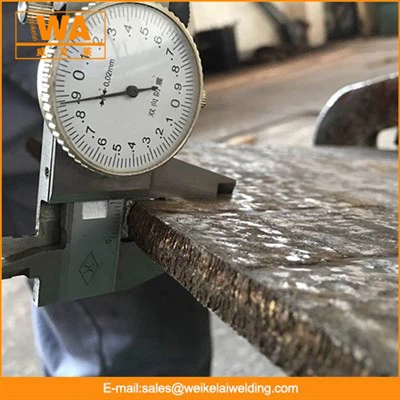
As a supplier of Bent Cladding Pipe, I've often been asked about the viability of using these pipes in marine applications. This blog post aims to explore this question in detail, delving into the properties of bent cladding pipes, the unique challenges of marine environments, and the potential benefits and limitations of using these pipes in such settings.
Understanding Bent Cladding Pipes
Bent Cladding Pipe is a specialized type of pipe that combines the advantages of a base pipe with a cladding layer. The base pipe provides the structural integrity, while the cladding layer offers enhanced properties such as wear resistance, corrosion resistance, and heat resistance. The cladding process involves applying a layer of a different material onto the surface of the base pipe, usually through techniques like welding or thermal spraying.
The Bent Cladding Pipe can be bent to various angles and radii, making it suitable for a wide range of applications where pipes need to navigate around obstacles or follow specific layouts. This flexibility in design is one of the key advantages of bent cladding pipes, as it allows for more efficient and cost - effective installation in complex systems.
Challenges in Marine Applications
Marine environments present a unique set of challenges for any piping system. The most significant challenges include:
Corrosion
The high salt content in seawater makes it extremely corrosive. Pipes in marine applications are constantly exposed to saltwater, which can cause rapid deterioration of the pipe material if not properly protected. Corrosion can lead to leaks, reduced structural integrity, and increased maintenance costs.
Abrasion
Marine applications often involve the transportation of abrasive materials such as sand, sediment, and debris. These materials can cause significant wear and tear on the inner surface of the pipes, leading to reduced flow capacity and eventually pipe failure.
Hydrostatic Pressure
As the depth of the water increases, the hydrostatic pressure on the pipes also increases. Pipes need to be able to withstand these high pressures without deforming or bursting.


Biofouling
Marine organisms such as barnacles, mussels, and algae can attach themselves to the surface of the pipes. This biofouling can reduce the flow capacity of the pipes, increase drag, and cause localized corrosion.
Advantages of Using Bent Cladding Pipes in Marine Applications
Corrosion Resistance
The cladding layer on bent cladding pipes can be made from materials that are highly resistant to corrosion, such as stainless steel, nickel - based alloys, or ceramic materials. These materials form a protective barrier between the base pipe and the corrosive seawater, significantly reducing the rate of corrosion. For example, a nickel - based alloy cladding can provide excellent resistance to pitting and crevice corrosion in seawater.
Abrasion Resistance
The wear - resistant properties of the cladding layer make bent cladding pipes well - suited for transporting abrasive materials in marine applications. The Wear Resistant Pipe variant of bent cladding pipes can withstand the constant abrasion caused by sand and sediment, ensuring a longer service life compared to traditional pipes.
Design Flexibility
The ability to bend the pipes allows for more efficient installation in marine structures. Pipes can be routed around obstacles such as ship hulls, offshore platforms, and underwater equipment. This flexibility can reduce the need for additional fittings and joints, which are potential points of leakage and corrosion.
Strength and Pressure Resistance
The combination of the base pipe and the cladding layer provides enhanced strength and pressure resistance. Bent cladding pipes can be designed to withstand high hydrostatic pressures, making them suitable for deep - sea applications.
Limitations of Using Bent Cladding Pipes in Marine Applications
Cost
Bent cladding pipes are generally more expensive than traditional pipes due to the additional cost of the cladding process and the use of specialized materials. This higher cost can be a deterrent for some marine projects, especially those with tight budgets.
Installation Complexity
The installation of bent cladding pipes may require specialized equipment and skilled labor. The bending process needs to be carefully controlled to ensure that the cladding layer remains intact and the pipe's integrity is maintained. Any damage to the cladding layer during installation can compromise its protective properties.
Compatibility with Existing Systems
Integrating bent cladding pipes into existing marine piping systems may pose challenges. The different material properties of the cladding layer and the base pipe need to be considered to ensure compatibility with other components in the system, such as valves, pumps, and fittings.
Case Studies
There have been several successful applications of bent cladding pipes in marine environments. For example, in offshore oil and gas platforms, bent cladding pipes have been used to transport abrasive fluids such as drilling mud and produced water. The wear - resistant properties of the pipes have significantly reduced the frequency of pipe replacements, leading to cost savings and improved operational efficiency.
In desalination plants, bent cladding pipes with corrosion - resistant cladding layers have been used to handle seawater intake and brine discharge. The pipes have shown excellent resistance to corrosion, ensuring a reliable and long - lasting piping system.
Conclusion
In conclusion, bent cladding pipes can be a viable option for marine applications. Their corrosion resistance, abrasion resistance, design flexibility, and strength make them well - suited to overcome the challenges posed by marine environments. However, the higher cost, installation complexity, and compatibility issues need to be carefully considered before making a decision.
If you are considering using bent cladding pipes in your marine project, I encourage you to contact me for more information. I can provide detailed technical specifications, cost estimates, and installation advice to help you make an informed decision. Whether you need Bent Cladding Pipe, Wear Resistant Pipe, or Abrasion Resistant Elbows, I am here to assist you in finding the best solution for your specific needs.
References
- "Corrosion in Marine Environments" - Marine Corrosion Handbook
- "Wear and Abrasion in Piping Systems" - Journal of Pipeline Engineering
- "Advances in Pipe Cladding Technology" - International Journal of Materials Science and Engineering