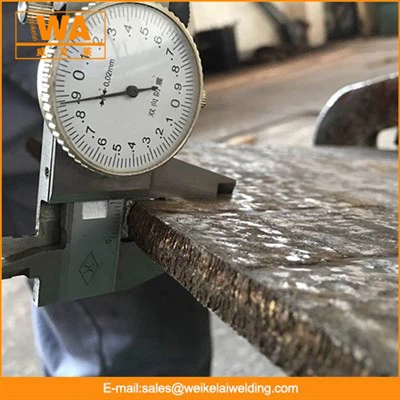
Are wear plates resistant to oxidation? That's a question I get asked a lot as a wear plate supplier. In this blog, I'll dig into the nitty - gritty of wear plates and their resistance to oxidation.
First off, let's understand what oxidation is. Oxidation is basically a chemical reaction where a material reacts with oxygen in the air. For metals, it often results in rust. When it comes to wear plates, oxidation can be a real pain in the neck. It can weaken the plate, reduce its lifespan, and affect its performance.
There are different types of wear plates out there, and their oxidation resistance can vary quite a bit. Let's start with Composite Wear Plates. These plates are made by combining different materials, usually a hard surface layer and a tough backing. The composition of these plates can play a huge role in their oxidation resistance.
Some composite wear plates are designed with special coatings or alloys that are highly resistant to oxidation. For example, if they have a layer of stainless - like alloy on the surface, it can form a protective barrier against oxygen. This barrier stops the oxygen from reaching the underlying metal and causing oxidation. However, not all composite wear plates are created equal. Some cheaper versions might not have the best coatings, and they could start to show signs of oxidation over time, especially in harsh environments.
Next up, Wear Steel Plate. Steel is a common material for wear plates, but steel is also prone to rust if not properly protected. The oxidation resistance of wear steel plates depends on a few factors. One of the key factors is the carbon content. High - carbon steels are generally harder and more wear - resistant, but they can also be more susceptible to oxidation.
To improve the oxidation resistance of wear steel plates, manufacturers often add alloying elements like chromium, nickel, and molybdenum. These elements form a passive oxide layer on the surface of the steel, which acts as a shield against further oxidation. The thickness and quality of this oxide layer can vary depending on the manufacturing process and the exact composition of the alloy.
For instance, a wear steel plate with a high chromium content can form a very stable and protective oxide layer. This layer is self - healing to some extent, meaning that if it gets scratched or damaged, it can reform and continue to protect the steel. But if the plate is exposed to extremely corrosive substances or high - humidity environments for a long time, even the best - protected wear steel plates can start to oxidize.


Then we have Hardox Steel Plate. Hardox is a well - known brand of wear - resistant steel. It's famous for its high hardness and excellent wear resistance. But what about its oxidation resistance?
Hardox steel plates are engineered to have good overall performance, including some level of oxidation resistance. They usually have a certain amount of alloying elements that help in forming a protective oxide layer. However, just like other wear plates, their oxidation resistance isn't absolute.
In normal, dry environments, Hardox steel plates can last a long time without significant oxidation. But in wet or salty conditions, they need proper maintenance to prevent rust. For example, if you're using Hardox steel plates in a marine environment, you'll need to apply a good anti - rust coating regularly. Otherwise, the saltwater can quickly break down the protective oxide layer and cause oxidation to set in.
Now, let's talk about how to enhance the oxidation resistance of wear plates in general. One of the most common methods is coating. There are different types of coatings available, such as paint coatings, ceramic coatings, and galvanized coatings.
Paint coatings are relatively cheap and easy to apply. They can provide a basic level of protection against oxidation. However, they can get scratched or chipped over time, exposing the underlying metal to oxygen. Ceramic coatings, on the other hand, are much more durable. They can withstand high temperatures and are very resistant to abrasion and oxidation. But they are also more expensive and require a more specialized application process.
Galvanized coatings involve applying a layer of zinc to the surface of the wear plate. Zinc is more reactive than iron (the main component of most wear plates), so it corrodes first, protecting the underlying metal. Galvanized coatings can provide long - term protection, especially in outdoor or mildly corrosive environments.
Another way to improve oxidation resistance is through proper storage and handling. When wear plates are stored in a dry, well - ventilated area, the chances of oxidation are reduced. Also, during handling, it's important to avoid scratching the surface of the plates, as scratches can break the protective layer and allow oxygen to reach the metal.
In conclusion, wear plates can have varying degrees of oxidation resistance depending on their type, composition, and how they are treated. While some wear plates are designed to be highly resistant to oxidation, no wear plate is completely immune to it. As a wear plate supplier, I always recommend my customers to consider the environment where the wear plates will be used and choose the right type of plate with appropriate protection measures.
If you're in the market for wear plates and want to know more about their oxidation resistance or any other properties, don't hesitate to reach out. We can have a detailed discussion about your specific needs and find the best wear plates for your application. Whether it's Composite Wear Plates, Wear Steel Plate, or Hardox Steel Plate, we've got you covered. Let's start a conversation and see how we can work together to meet your requirements.
References
- "Metallurgy of Wear - Resistant Steels" by various authors in Metallurgical Journal
- "Coatings for Metal Protection" in Surface Engineering Magazine